


UPDATE: June 23, 2025 – On June 20, Mayor Brandon Johnson sent a letter to City Clerk Anna Valencia announcing his intention to formally veto the controversial “snap curfew” ordinance that the Chicago City Council passed in a 27-22 vote on June 18. This is the first time a mayor has used their veto power since 2006. A copy of the letter can be viewed here. Original story continues below.
___________________________________________________
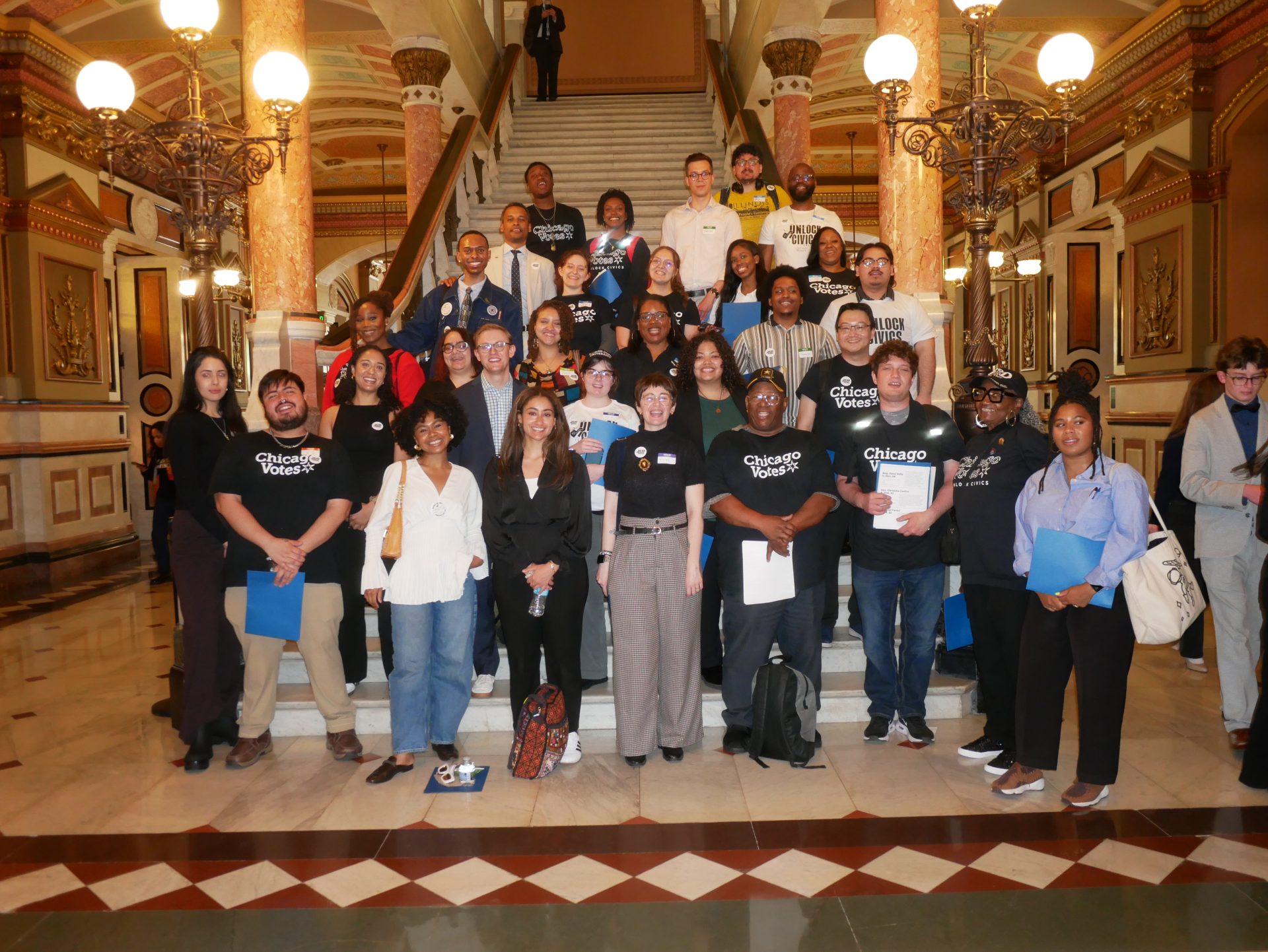
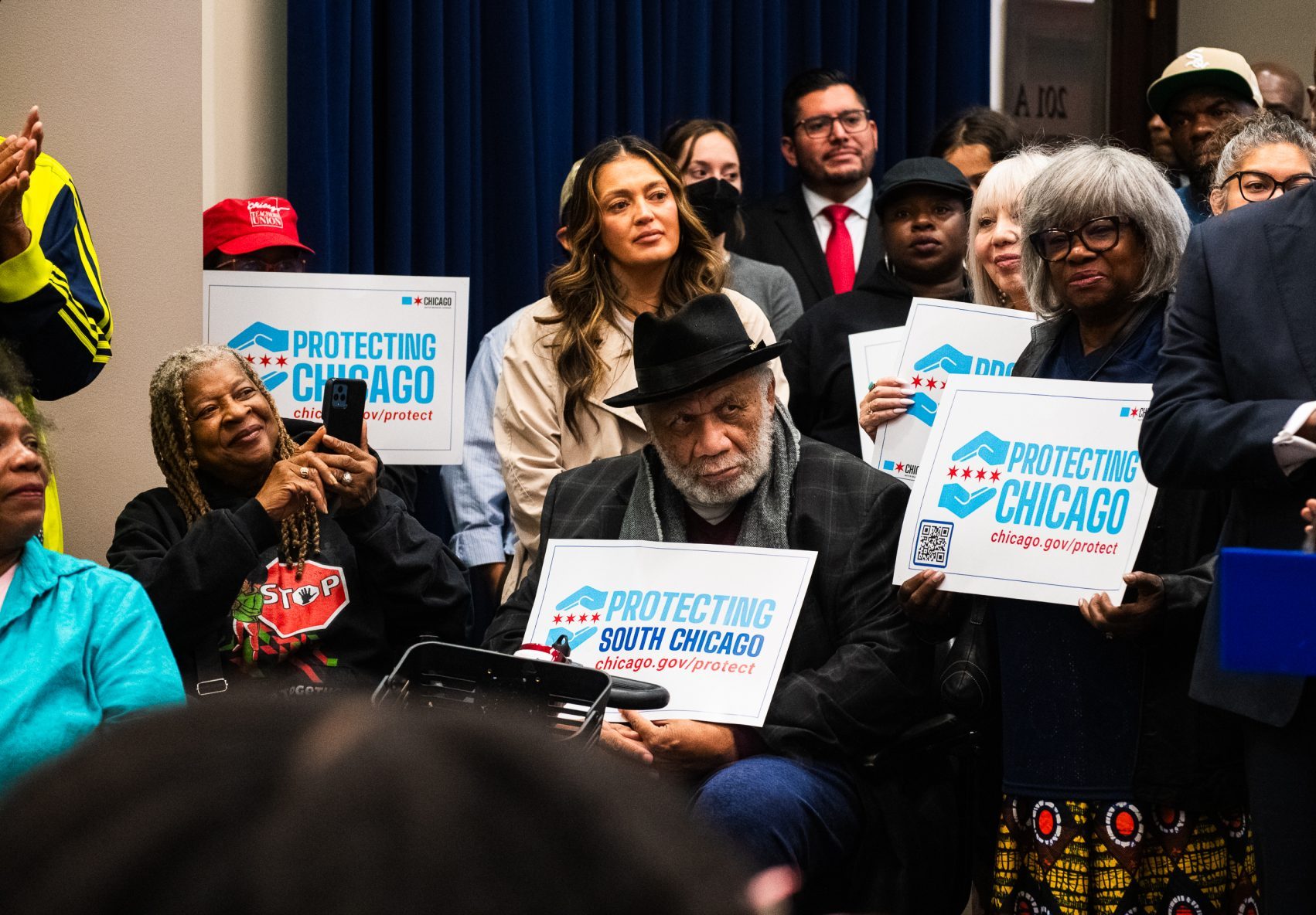
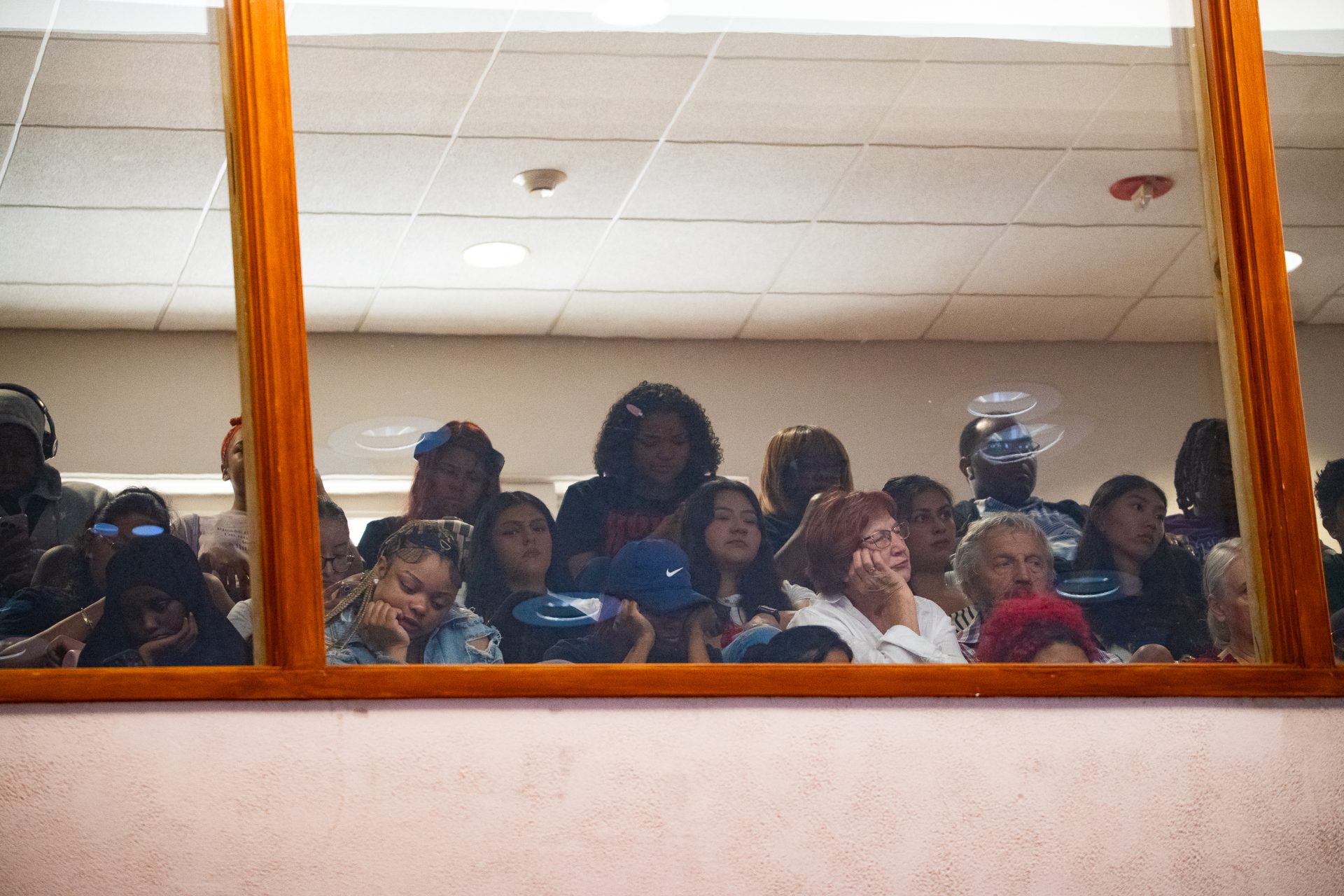
Dozens of youth, legal experts and community residents packed out the second and third floor galleries of City Hall, where Chicago City Council members met to debate and vote on a controversial “snap curfew” ordinance. More than four hours into the meeting, the council approved the policing tool in a 27-22 vote; Ald. Emma Mitts (37th Ward) was present for the meeting, but wasn’t in chambers during the vote.
Two 17-year-old youth organizers with Communities United, Romya Simone and Daquan Ford, spent the last few months on a campaign urging alders to vote “no” on the ordinance. The pair told The TRiiBE they felt unheard by alders, specifically Ald. Brian Hopkins (2nd Ward), the lead sponsor of the ordinance. They said Hopkins asked for youth input during a roundtable discussion in late May hosted by Rep. La Shawn Ford (D-8).
“I thought that he was just taking the initiative to actually hear the voices from the youth and to get our lived experiences and trauma,” said Simone, who was in attendance at the roundtable.
Simone, a Garfield Park resident, said she peppered Hopkins with questions about what types of de-escalation training Chicago police officers were currently equipped with to talk with teens during large gatherings. But, she said, Hopkins didn’t answer her questions; he immediately jumped to listen to another question.
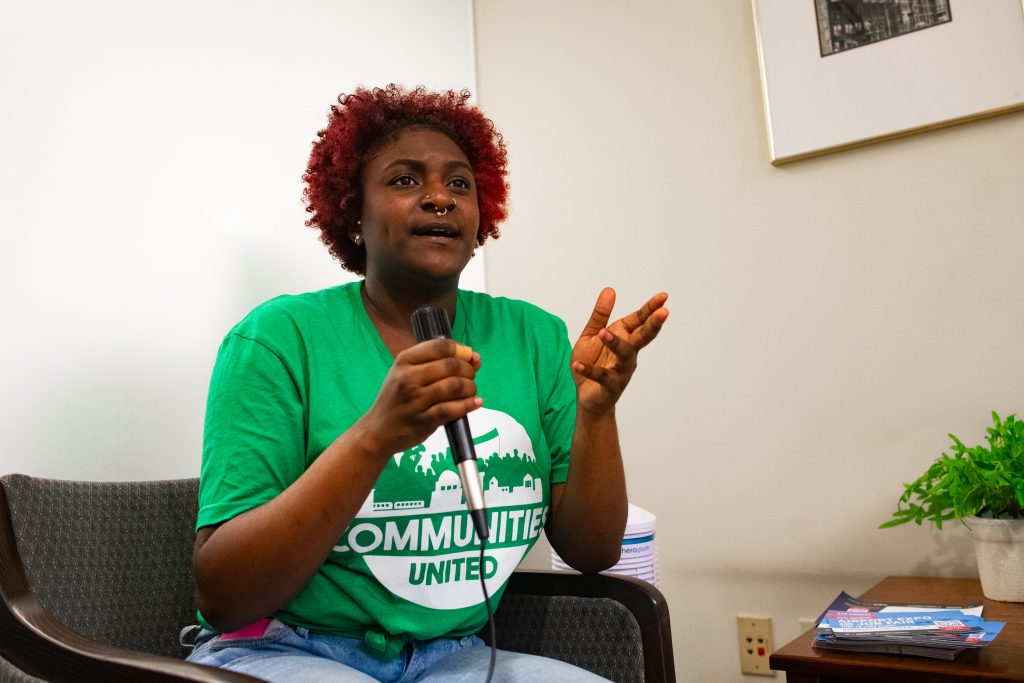
Fast forward to today’s council meeting, Simone and Ford say they were disappointed in the 27 alders who voted for the “snap curfew.”
“I just feel like he [Hopkins] used us and youth, having that meeting with youth as a way of showing that he tried to get youth’s perspective on a curfew. When really, he didn’t,” Simone said. “He didn’t even mention the conversation that he had with youth. He didn’t even try to mention how he spoke with youth and he got our lived experiences. I basically feel like he used us, and he misheard exactly what we were saying.”
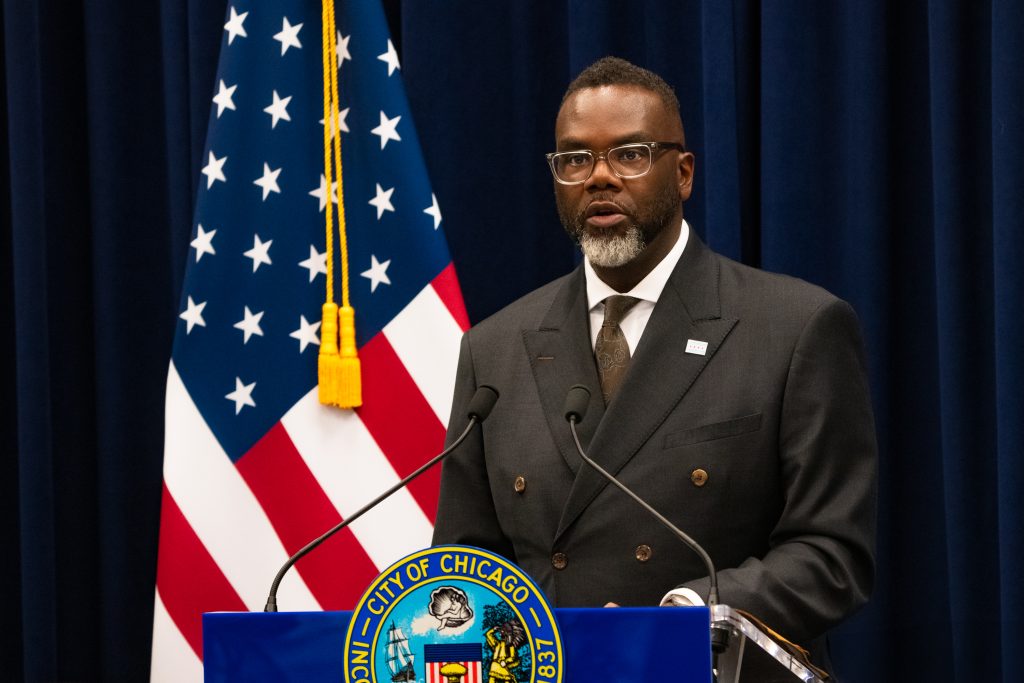
Their disappointment later switched to optimism when Mayor Brandon Johnson announced he would veto the council-approved ordinance. He opened up his post-council press conference with the news. If he follows through, it’d be the first time a mayor used his veto power since 2006, when Mayor Richard M. Daley vetoed a City Council plan to require “big box” stores to pay employees a livable wage.
While the “snap curfew” ordinance received a majority of “yes” votes, it didn’t receive enough votes to prevent a mayoral veto. If any legislation receives fewer than 34 “yes” votes, the mayor can veto it.
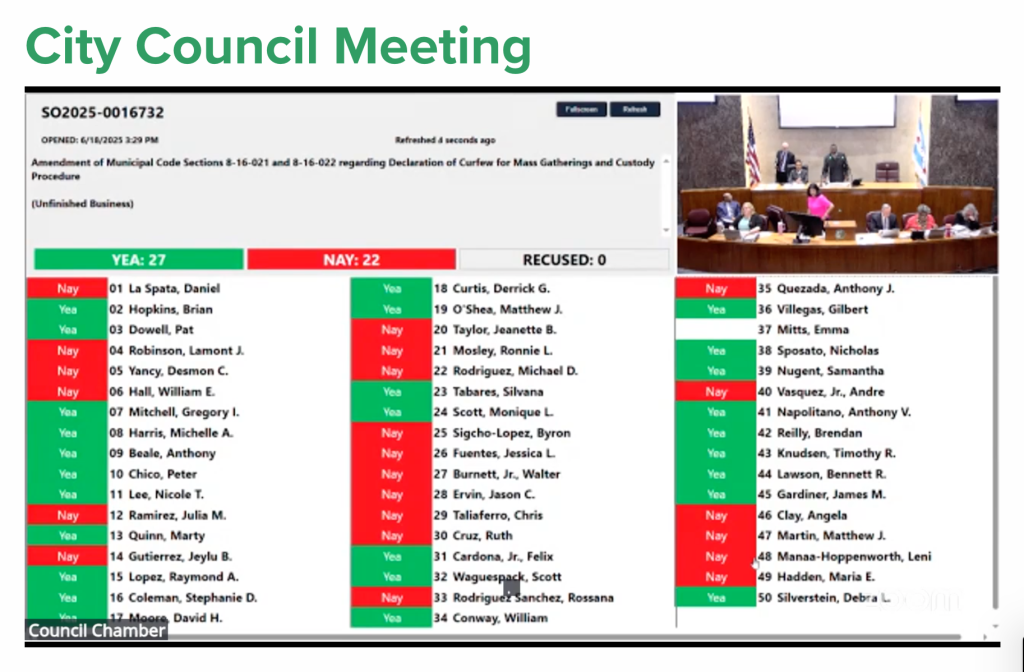
Johnson described the 27-22 vote as a “knee-jerk reaction” and said the ordinance is counterproductive to progress that’s been made to reduce violence in the city. For two consecutive months (April and May), Chicago has seen historic lows in homicides. There were 20 in April, which was the fewest since 1962, and 36 homicides in May, which was the fewest since 2011.
“It would create tensions between residents and law enforcement at a time when we have worked so hard to rebuild that trust. We have made significant progress in our compliance with the consent decree, and now is not time to introduce new measures that could undermine those hard-fought gains,” Johnson told reporters.
He added that there’s not enough data to support the notion that curfews are effective. Investments, creating safe spaces for youth jobs and after-school programming are some of the solutions driving the city’s decrease in violent crime, he said. A reporting collaboration between The TRiiBE and South Side Weekly found that teens and adults alike feel the impact of declining third spaces and free amenities for teens to enjoy.
“So I’m also very clear that it’s unfortunate that the number of crime bills in particular that have overwhelmingly led to the criminalization and the incarceration of poor people and particularly people of color, it’s important now more than ever that we do not repeat the sins and the failures of the past,” he continued.
For months, there’s been an ongoing debate about teen gatherings called “trends” or “takeovers. Hopkins initially proposed lowering the curfew before pivoting to a “snap curfew,” which underwent three versions before the City Council vote today.
There’s also been some confusion around Chicago police Superintendent Larry Snelling’s position on the matter. Previously, Hopkins has said that the “snap curfew” policing power is something Snelling asked for. However, WBEZ reported last week that Snelling told a federal judge during a court hearing that he wouldn’t use the “snap curfew” power.
At today’s meeting, Ald. Andre Vasquez mentioned that Snelling has had individual conversations with alders, saying the tool isn’t something he asked for. Snelling did not attend the meeting.
Ald. Stephanie Coleman (16th Ward) responded to Vasquez, saying Snelling’s comments were misinterpreted in WBEZ’s reporting.
“Supt. Snelling says what he says he means. At some point in our career, we have either been misquoted or the entire story wasn’t told. So Supt. Snelling was misquoted,” Coleman said.
She voted “yes” on the youth curfew ordinance.
“Those comments were not, in fact, what he says, and in private conversations he has shared. So just in his absence [today], I just want to make it very clear on record that he is a man of integrity. So what he says he’s not going to switch it up,” she continued.
At the post-council meeting, Johnson said about Snelling, “The superintendent didn’t ask for it.”
Ald. Monique Scott voted “yes” on the ordinance. During the debate, she shared that she, as a single mom, doesn’t allow her 17-year-old daughter, who has “a full ride to Stanford,” to go downtown with friends because it is unsafe.
“The streets are not safe for her, and we’re arguing because these are not the regular kids like my daughter, who can go downtown, and mayor like your son, who can go downtown,” Scott said, referring to her teenage daughter and Johnson’s eldest son. “These are children that are wreaking havoc. These are children that are shooting tourists. These are kids that are stomping on cars and twerking on cars that we’re protecting.”
Simone took issue with Scott’s comments. She felt they were hurtful and inconsiderate to Black youth in under-resourced communities.
“As a Black woman, she should understand the struggles of young Black teens,” Simone said.
So, what happens next? Johnson will submit a formal request via a letter to the City Clerk Anna Valencia stating his intention to veto the ordinance. At the next City Council meeting, alders can move to override Johnson’s veto but they would need 34 votes to do so.
Reporters asked Johnson if his decision to veto the ordinance is indicative of a lack of confidence in Snelling. He said it has nothing to do with Snelling’s ability.
“So please do not make this about an individual, make this about the Black and brown people in particular, who have suffered under these types of draconian laws and positions that 30 years later, people go back and reflect and say, ‘we got it wrong,’” Johnson said. “I want to make sure that 30 years from now, there’s a generation that said we got it right.”