
The People is our section for opinions and perspectives. Submit your opinion to info@thetriibe.com.
A recent article published in Unraveled Press spoke about conflicts within the Community Commission for Public Safety and Accountability (CCPSA) and the District Councils, which make up the two components of the structure created by the passage of the Empowering Communities for Public Safety (ECPS) ordinance in 2021. The Unraveled Press article describes recent attempts by former Chicago Police Department (CPD) officers and the Fraternal Order of Police (FOP) to undermine these structures of accountability.
The ECPS coalition fought to pass that ordinance, and this is nothing new to our coalition. The history of racist, unconstitutional policing runs deep in the Chicago Police Department. The struggle to pass this ordinance grew out of the struggles for justice of hundreds of families who had lost loved ones to the police and survivors of police torture and wrongful conviction. Prior to its passage, the likelihood of any action being taken on complaints brought forward from these families and survivors was extremely low. Looking only at the rate of complaints brought to the Civilian Office of Police Accountability (COPA), in 2019 only 10.4% of the cases concluded were sustained (calculated based on the percentage of sustained concluded findings in the 2019 COPA annual report ). That number has risen gradually since the passage of ECPS to 42% (calculated based on combined “sustained” and “partially sustained” categories) this year. Greater community oversight over how policing is done has real effects.
In addition to the broader effects on the rates of police abuse, and effective investigation of those abuses, the CCPSA itself has been able to accomplish some significant things — eliminating the gang database and passing a policy against CPD officers participating in hate-based groups.
The Fraternal Order of Police, the Chicago Police Department, and the powers that be have shown they understand the power of this new structure as they have sought to undermine it at every point. Former Mayor Lori Lightfoot delayed the appointment of CCPSA commissioners, and our coalition had to organize to demand its proper budget. The Fraternal Order of Police backed candidates in the District Council elections in 2023, who lost by a wide margin, with only eight elected councilors of the 17 they tried to run being elected. The FOP secured a majority in only three districts, with pro-accountability councilors taking the majority of seats in 13 districts.
And because this new structure has power over COPA, and the power to appoint a Chicago Police Board that would act on their recommendations, the FOP saw the need to undermine that. In 2023, they put forward a contract measure to allow officers accused of serious misconduct to have their cases heard in private arbitration instead of in front of the public Police Board. Despite City Council rejecting that measure twice in 2023 and early 2024, the FOP was able to use the courts to have that decision reversed, and is still fighting in the courts in attempts to keep those proceedings private.
This is a small picture of what we have been up against, of this struggle for a fundamental change to how policing is done continuing on in the implementation of this new law.
Let’s talk about where the CCPSA currently stands. As a coalition, we are by no means satisfied with the current composition of the commission. We have seen the need, and have continued to apply pressure to this commission, to challenge the status quo in the way the movement that fought to pass this law intended. But the fact is there is only one commissioner on the CCPSA with direct ties to the police, Sandra Wortham.
We will not allow the public perception of the CCPSA to be shaped by one loud voice. And we challenge those on the commission who see the need to challenge the status quo, and the transformative power of the ECPS ordinance, to use their power to take bolder action.
We also want to pose the question, where else in our city and in our movement do we have the opportunity to confront the Fraternal Order of Police, the police superintendent, and the Chicago Police Department as a whole? These are powerful forces who have been influencing how policing is done in our communities outside the public light for generations.
There is a struggle to be had to get this structure on a correct path, to push forward the demands of the community, hold police accountable, and truly change how CPD operates. And the powers of these bodies can make it one that doesn’t only happen in small increments, but in leaps and bounds.
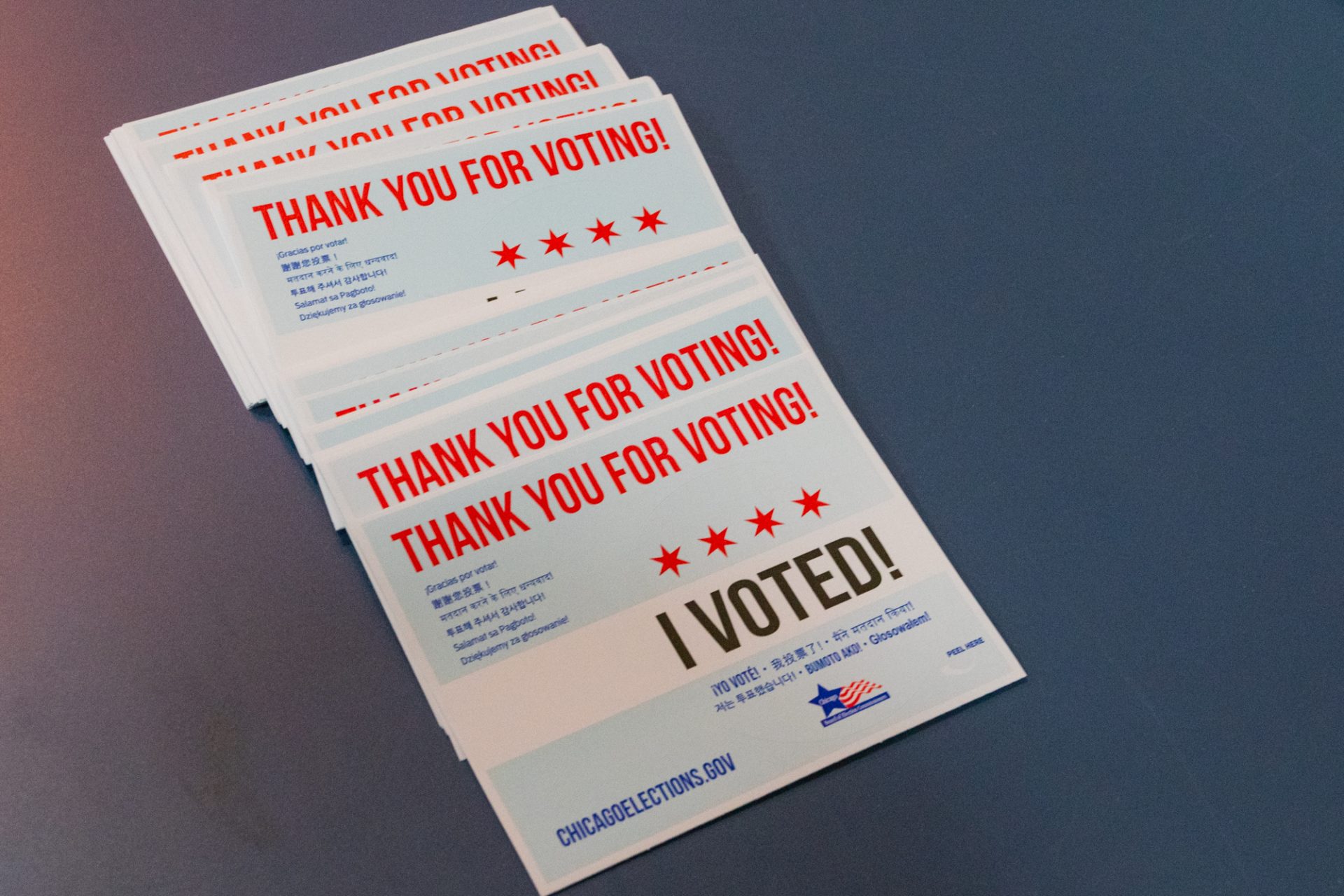
Elected District Councilors have the power to nominate members of the city-wide CCPSA, and there are 66 seats in police districts across the city up for re-election this coming February.
Having District Councilors who nominate commissioners that instill confidence, and build hope for the future, is a necessary next step for this new experiment in public safety, Now is the time to decide if you’d like to be on the ballot in that 2027 election, and our coalition can support you every step of the way.
There are candidates, as we speak, in every district of the city circulating petitions to get on the ballot so they can fight to hold police accountable and address the deep-seeded racist legacy of CPD. They need our support, and there’s a role for everyone in their campaigns. From knocking doors to chipping in funds to showing up to polls to vote, we all have a part to play.
The struggles we face in implementing this ordinance are nothing compared to the ones we’d have without it, and we want everyone who cares about changing the status quo of policing in Chicago to join us in moving things forward because we know our power comes from our numbers and that power is what we need to make this change.