


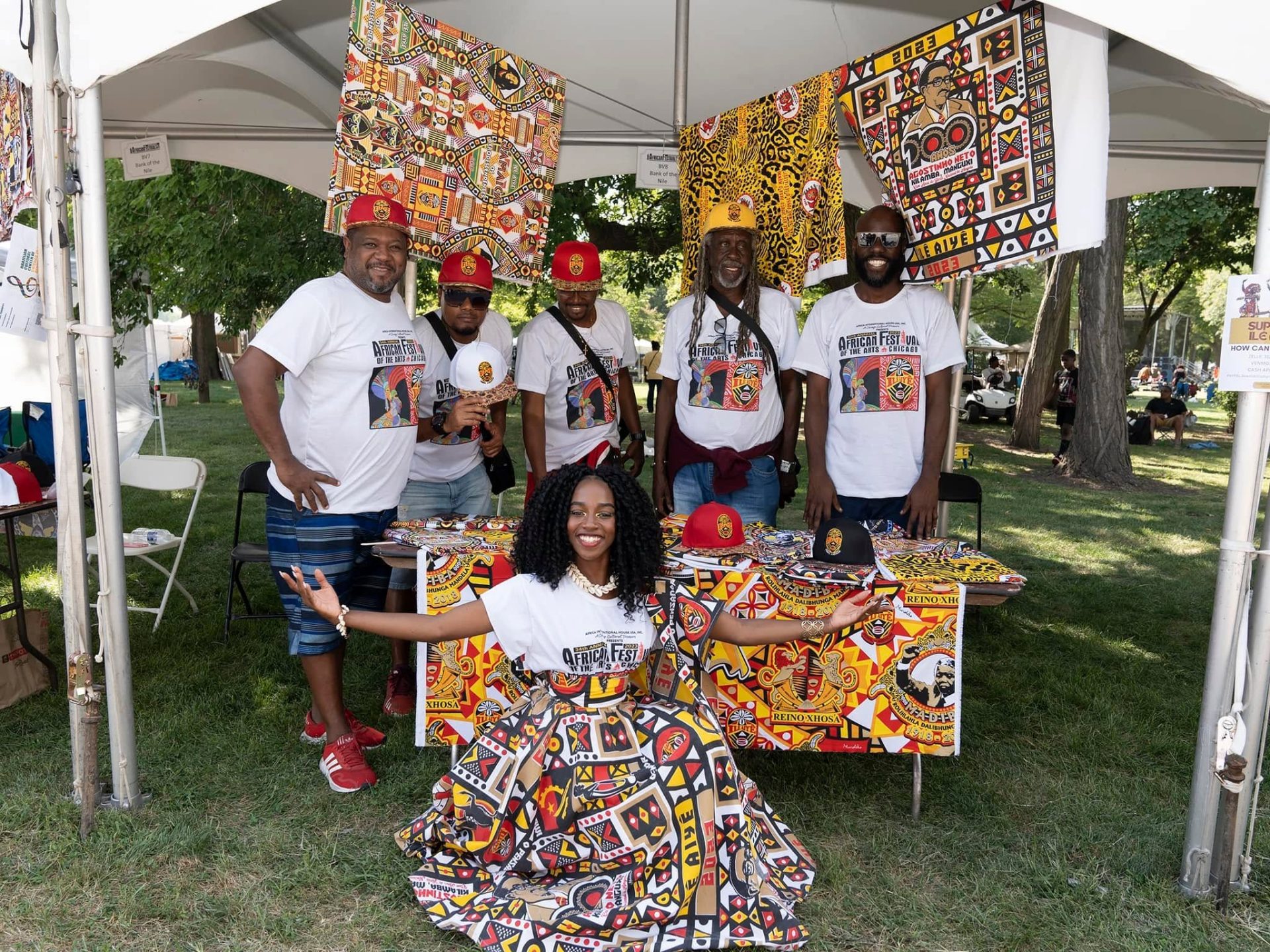
For 36 years, the African Festival of the Arts has been a celebration of African culture, where live music, dance, food, fashion and generations of families gather in Chicago each Labor Day weekend.
As fears around President Donald J. Trump’s increased immigration enforcement continues in the Chicagoland area, some Chicago festivals serving immigrant communities have been affected in one way or another — some even canceling altogether. The African Festival of the Arts has persevered, hosting its annual event in 2025 despite Trump’s “Operation Midway Blitz.”
And again, this fall, the African Festival will return to Washington Park on Labor Day weekend, Sept. 5-7.
“I believe it’s something that’s highly needed and demanded by the cultural community in Chicago,” said Patrick Singbey Woodtor, the festival’s co-founder and producer. It’s the flagship event of Africa International House USA Inc., a nonprofit that promotes and preserves the cultures and traditions of the African diaspora.
“Every year they ask, ‘When is it coming back?’ We make it happen every year. The community demands it,” he continued.
The 2026 musical lineup has not yet been announced, though organizers say they’re looking to bring performers from Africa, South America, Chicago and other cities across the country. As they’ve done in previous years, African Fest organizers will also coordinate with city agencies, including police, fire and transportation officials, as they finalize plans for Labor Day weekend.
Woodtor said they are projecting between 30,000 and 50,000 attendees.
“We have a long-standing, very loyal following,” said Woodtor. “People come from all over the country just to celebrate and be part of it.”
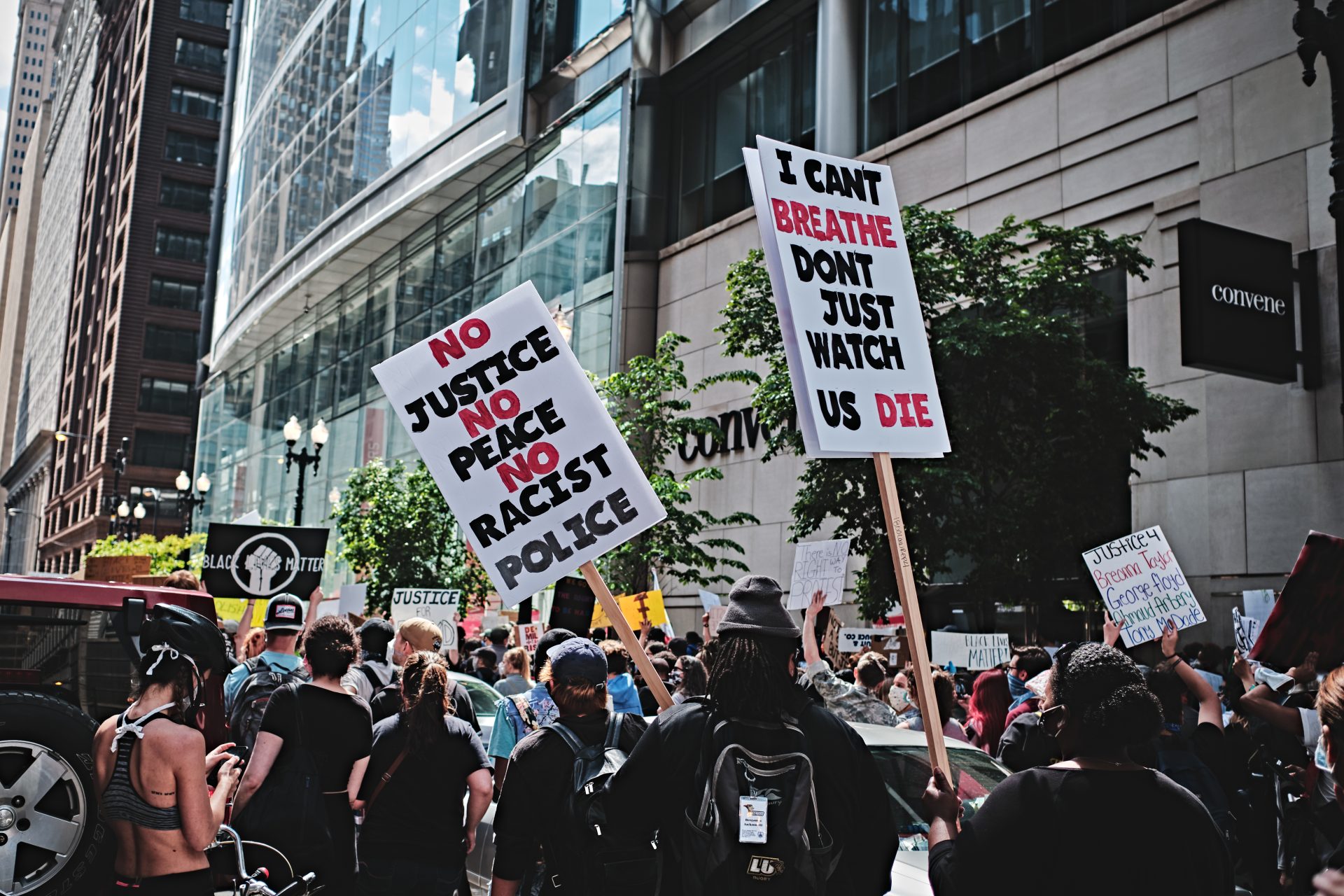
In fall 2025, more than 250 federal agents from Immigration and Customs Enforcement (ICE) and Customs and Border Protection (CBP) sent shockwaves through the Chicagoland area. Their overnight raids, sudden detainments and teargassing sprees left communities in a heightened state of fear and panic.
Several organizers canceled their annual festivals last year, citing uncertainty surrounding artists’ visas and the country’s political climate. Among those festivals were the Michelada Fest and Bantu Festival.
Although “Operation Midway Blitz” ended just before the new year, federal immigration enforcement still continues throughout the Chicago area today, leaving immigrant communities concerned about their safety. Last month, the U.S. Supreme Court ended Temporary Protected Status (TPS) for foreign-born people from Haiti and Syria, putting thousands at risk of losing legal protection and now facing possible deportation.
This year, Chicago’s Cinco de Mayo Parade was canceled in May for a second consecutive year after organizers said fears surrounding immigration enforcement discouraged participation.
Woodtor said African Fest organizers have heard concerns surrounding immigration enforcement but don’t believe they will significantly affect attendance. Instead, he points to the festival’s 36-year history and the generations of Chicagoans who have made attending an annual tradition.
2025 was not the first time the African Festival of the Arts dealt with a devastating challenge.
Woodtor said the organization lost roughly 75% of its corporate sponsorship following the 2008 financial crisis, and the COVID-19 pandemic dealt another financial blow. Those setbacks forced organizers to scale back programming and put plans for expansion on hold, but he said community support has kept the festival alive.
“We were on our way to even making it a multi-city kind of event,” Woodtor said. “Those two experiences just shut us down, and right now we are in the process of trying to bring it back.”
Since its founding in 1989, the festival has become more than a weekend of performances. Woodtor described it as a gathering place where relationships are formed, businesses grow and culture is passed from one generation to the next.
“It’s a place where community comes together to celebrate and encourage and expand and promote the culture of the diaspora,” he said. “It’s a place where we come to associate, learn about one another and build relationships.”
Over the years, he said, people have started businesses through connections made at the festival, built lifelong friendships and have even gotten married there. The festival has hosted three weddings since it began.
That very commitment to community comes during a time when cultural festivals across Chicago have struggled.
“We’ll try to do what we do best, and that is to promote our culture, promote our people, promote our economics,” Woodtor said about this year’s fest. “We are inviting all of Chicago, all of the country, to come and support our vendors, our performers and our people. Whatever goes on goes on, and we deal with it as it comes up.”