





The People is our section for opinions and perspectives. Submit your opinion to info@thetriibe.com.
The federal government has enthusiastically taken on the role of dispatching a diversity, equity and inclusion (DEI) witch hunt — one that has since impacted all aspects of American life. That leaves many local leaders to their own devices.
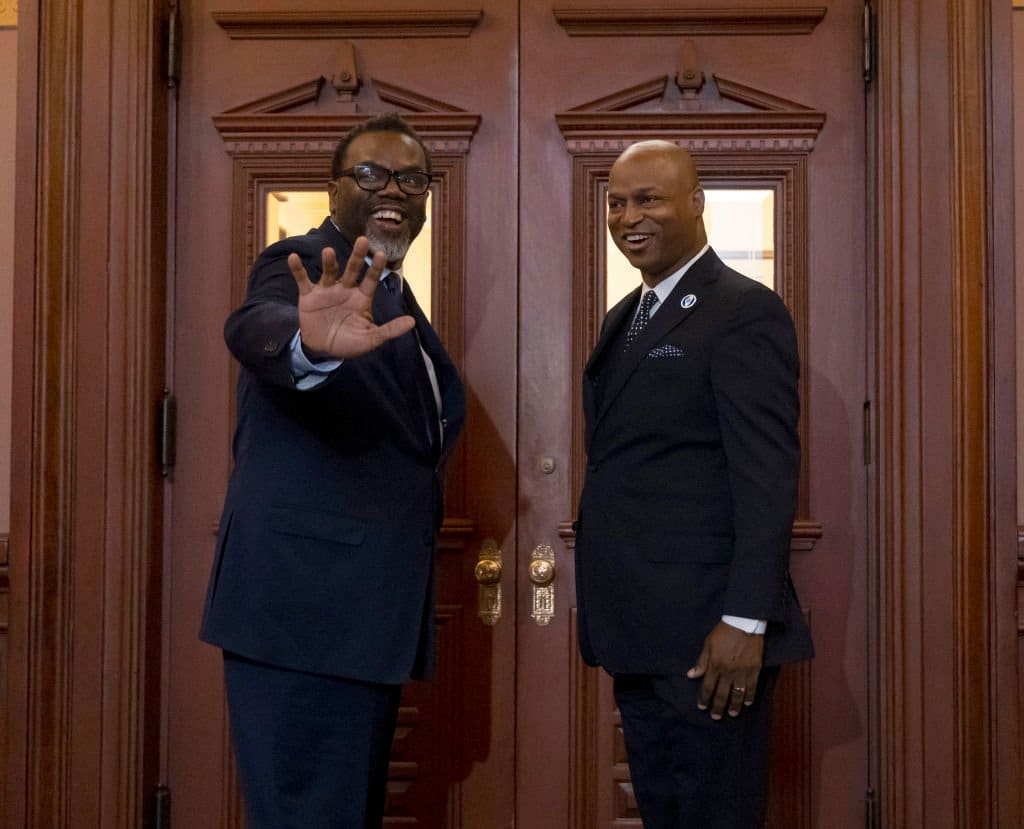
Black elected officials in Illinois, in particular, stand at a pivotal moment — a moment when their progressive leadership can and should counter President Donald Trump’s assault on DEI programs through local action. With leaders like Illinois House Speaker Emanuel “Chris” Welch, Cook County Board President Toni Preckwinkle, and Chicago Mayor Brandon Johnson at the helm of Illinois politics, the state can emerge as an example for other state leaders to enact legislation that protects civil rights and DEI.
Illinois has been a pioneering state in many aspects, including platforming strong advocates for social justice. Harold Washington, the city’s first Black mayor, leveraged government to advance racial justice and societal reform. His sweeping victory with Black and Latino majorities on the campaign trail helped unlock powerful voting blocs. And indeed, Dr. Martin Luther King, Jr. brought his civil rights crusade to the Chicago Freedom Movement. Joined by his top lieutenant James Bevel and Chicago civil rights leader Al Raby, Dr. King and his colleagues pressed on to overturn Jim Crow segregationist laws.
Again, we find ourselves in a critical moment in the fight for racial justice with strong leadership ready to spring into action. We need our own modern-day leaders of civil rights to take charge in Chicago. President Preckwinkle, Speaker Welch, and Mayor Johnson can join forces and develop a robust regulatory package that will safeguard DEI programs across Illinois and set an example for progressive jurisdictions in the Blue States to follow.
Such a package should, first, ensure the preservation of important data on workers of color, including workforce demographics. Doing so will allow communities and policymakers alike to track hiring practices and identify any deviations from nondiscriminatory norms.
The second pillar of this legislative initiative should require all companies in Illinois with more than 100 employees to conduct rigorous quantitative audits of their hiring processes using this data. These audits would measure whether applicant pools are demographically representative of the local population and whether hiring outcomes reflect fair practices, free from discriminatory patterns. By establishing clear, data-driven benchmarks for workforce diversity, the state can hold companies accountable for ensuring equitable opportunities.
Moreover, audit results should be incorporated as a mandatory criterion for vendors bidding on state, county, and city contracts. Such a measure would not only incentivize private-sector compliance but would also signal that public funds are being used to support organizations that demonstrate a genuine commitment to nondiscrimination.
If successful, Illinois’ leaders can demonstrate that they are not only dedicated to protecting marginalized communities but also to reshaping the narrative around racial equity in the workplace.
The current threat from Trump’s executive orders is not merely a policy dispute; it is an attack on the hard-won gains of the Civil Rights Movement. By decrying DEI programs as “racist against white people,” Trump ignores the historical context that these programs were put in place to counter both the historical legacies from America’s centuries-long racial caste system and the active discrimination from recalcitrant whites who utilized “massive resistance” to keep it from ending.
Chicago’s political triumvirate can shift Trump’s DEI war in a positive direction for Black communities and other marginalized groups by harnessing their legislative and regulatory authority. Their deep-rooted commitments to social justice make them ideally positioned to lead this resistance against the federal government’s efforts to overturn decades of progress for Black Americans and other marginalized communities.
Together, they can show that true equality does not come from the erasure of historical wrongs — but from proactive measures that ensure fair representation and opportunity for all.