



There’s talk in the streets, and online, about a recent move by some members of the Chicago City Council to reject Mayor Brandon Johnson’s attempt to put a nonbinding referendum on the 2026 general election ballot about whether to impose a 3% tax on millionaires.
Some of the names in this bloc of alderpeople who rejected the mayor’s November ballot question also voted against Johnson’s corporate head tax proposal for the 2026 budget cycle. The group eventually passed a 2026 budget that replaced the head tax proposal with other revenue-generating items including selling city debt to outside collectors.
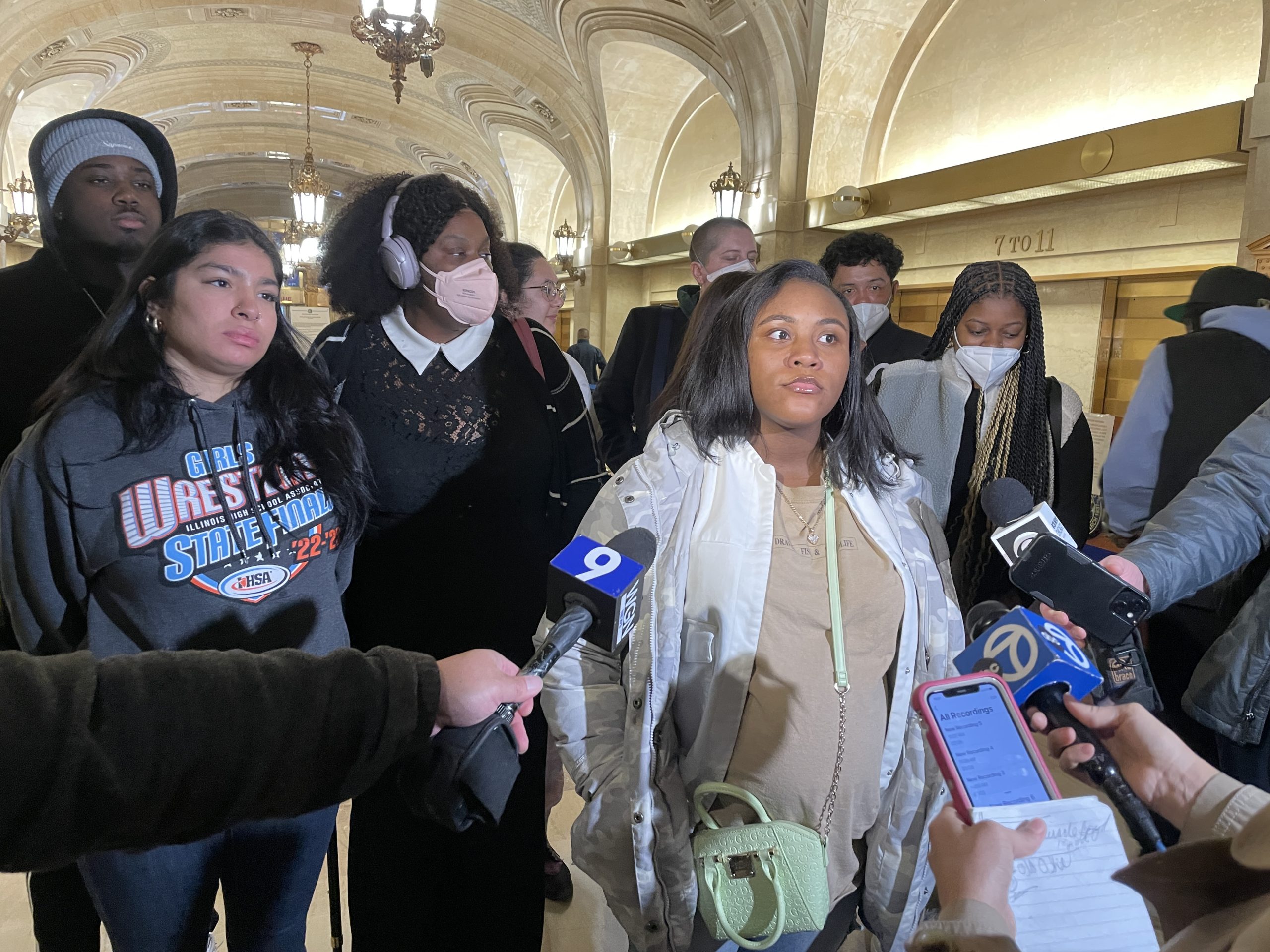
“I think the fact that they would block a nonbinding referendum, essentially a poll to see what everyday Chicagoans think about where our revenue should come from, it just shows how unserious they are as elected officials,” said Breanna Champion, an organizer with the Chicago Black Voter Project. She, along with the People’s Unity Platform, campaigned for City Council to balance the 2026 budget by taxing the ultra-wealthy in their “Babies Before Billionaires” campaign.
“It just clearly shows where their interests lie, which is not with their constituents or with the people of Chicago,” Champion said, “but rather [with] whoever they feel would be most impacted by a referendum like this, which is corporate elites and millionaires.”
Last week, Johnson submitted his millionaire tax referendum ahead of City Council’s last Committee on Committees and Rules meeting before the August recess. Ald. Michelle Harris (8th Ward) chairs the committee. At the July 9 meeting, she read Johnson’s direct introduction.
“The public question by referendum to the Chicago voters at the Nov. 3, 2026 general election regarding whether the city of Chicago shall, if authorized by law, impose a 3% surcharge on individuals earning more than a million annually to fund Chicago’s public schools and community safety initiatives,” she read.
Ald. Marty Quinn (13th Ward), who has announced he’s not running for reelection in 2027, immediately motioned to reject Johnson’s direct introduction, citing that it abuses Robert’s Rule of Order.
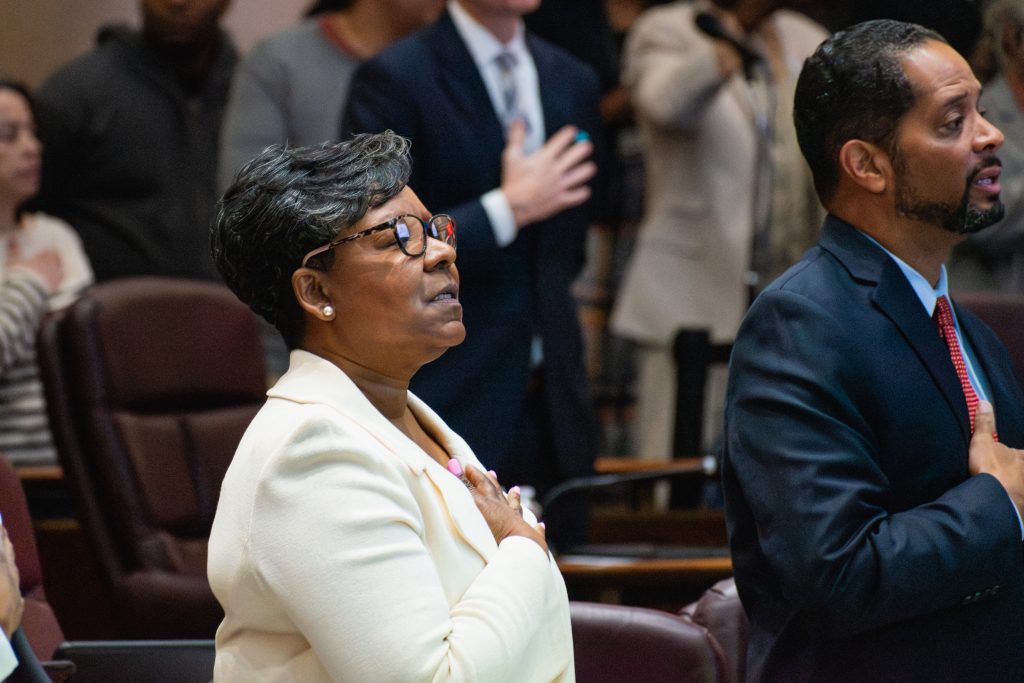
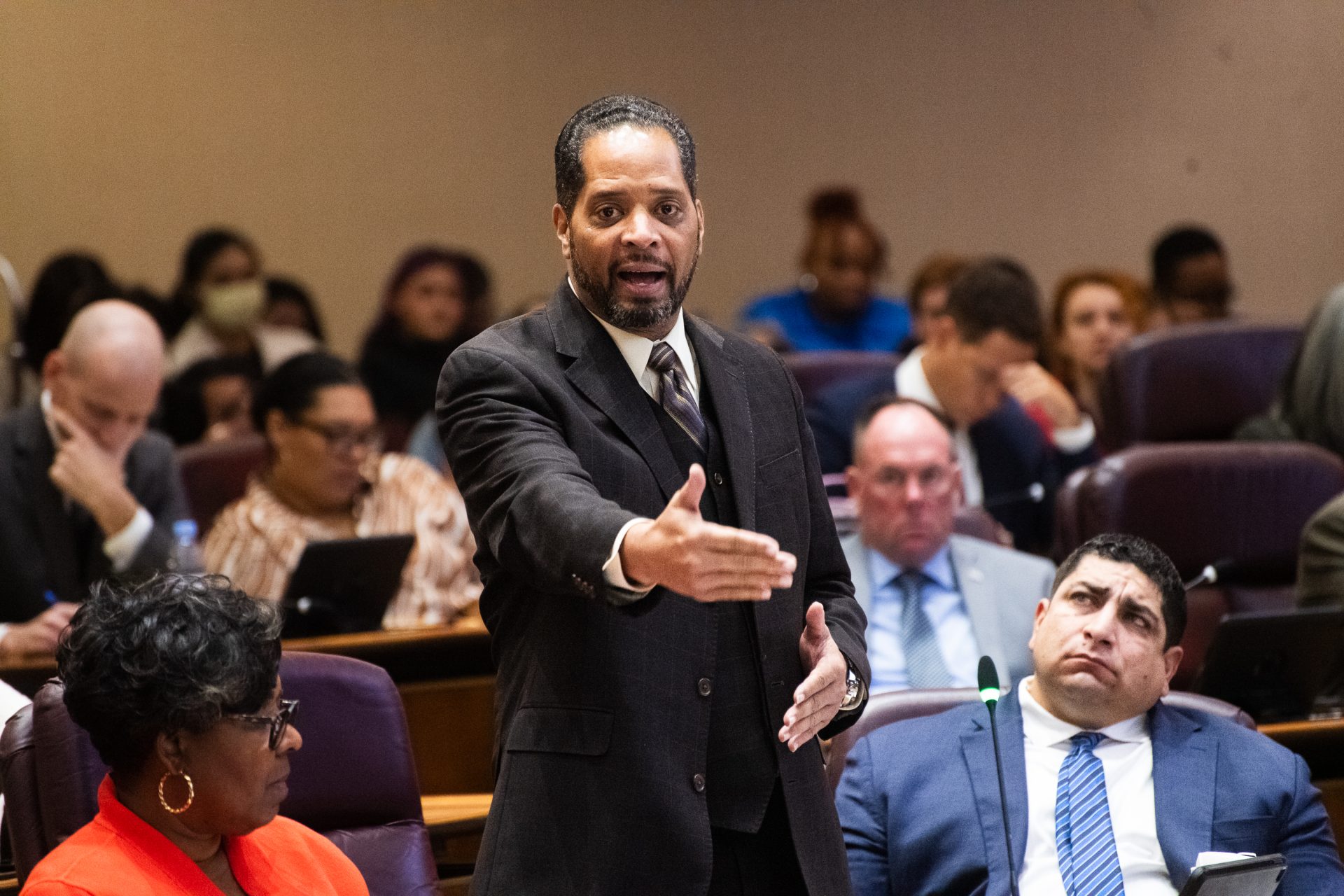
Ald. Anthony Beale (9th Ward) also spoke out against Johnson’s direct introduction, alongside Ald. Nicholas Sposato (38th Ward) and Ald. Raymond Lopez (15th Ward), who cited Rule 41 that says “direct introductions are in order to facilitate an expeditious hearing on said matter or where an emergency exists. Ballot questions are not an emergency.”
Ald. Jason Ervin (28th Ward), one of Johnson’s closest allies, argued in favor of the mayor’s direct introduction, adding that the late August deadline for ballot referendums makes this a time-sensitive matter.
Beale asked Redeatu Kassa, deputy corporation council in the city’s Law Department, if it is his legal opinion that the matter constitutes an emergency. He said yes.
“Wow,” Beale responded with surprise.
Initially Harris said the final vote was 24-19 in favor of Quinn’s motion to reject the millionaire tax referendum. Then, after some discussion, she can be heard counting in a low voice and saying “was it 25-19?”
On Wednesday, The TRiiBE reached out to the City Clerk’s office to receive the voting roll call. A staffer said the city does not keep record of the votes of committee meetings. He directed us to watch the video recording of the meeting. Through most of the conversation, the video recording shows who is speaking. However, during the roll call vote, a second camera no longer appears to show who is speaking. One singular camera focuses on the dais where Harris and three others are seated. Some voices speaking directly into a microphone, though, can be heard clearly. This part of the meeting begins around 45 minutes in.
Based on audible responses in the video, here’s the list of additional alderpeople who voted in favor of Quinn’s motion:
Ald. Michelle Harris (8th Ward)
Ald. Matt O’Shea (19th Ward)
Ald. Brendan Reilly (42nd Ward)
Here’s the list of alderpeople who can be heard on video voting against Quinn’s motion:
Ald. Jeanette Taylor (20th Ward)
Ald. Byron Sigcho Lopez (25th Ward)
Ald. Jessie Fuentes (26th Ward)
Ald. Rossana Rodríguez Sánchez (33rd Ward)
Expressing his disappointment, Ervin emailed the following statement: “It’s undemocratic to deny voters the opportunity to speak out on an issue as critical as whether or not the wealthiest among us should pay their fair share in taxes to fund essential City services.”
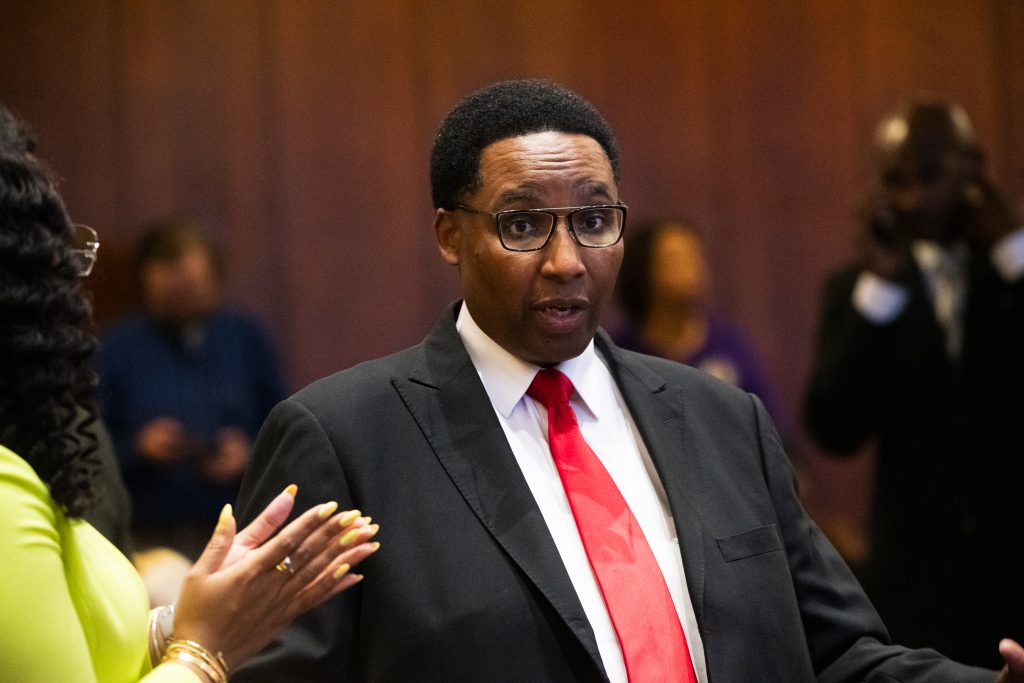
At a post-city council press conference on Wednesday, a reporter asked Johnson why he’s being persistent about adding the referendum.
“Just because you have some corporate alders that are resistant to the needs of working people, that doesn’t mean you give up the fight for working people, right?” Johnson said. “I’m going to do everything in my power to ensure that we have a revenue stream that the people of Chicago want, a revenue stream that’s going to help us with our schools… it’s going to help us continue to invest in mental and behavioral healthcare. It’s going to help us build more affordable housing. These investments are literally saving people’s lives, and so I’m always going to fight to make sure that we’re saying lives.”
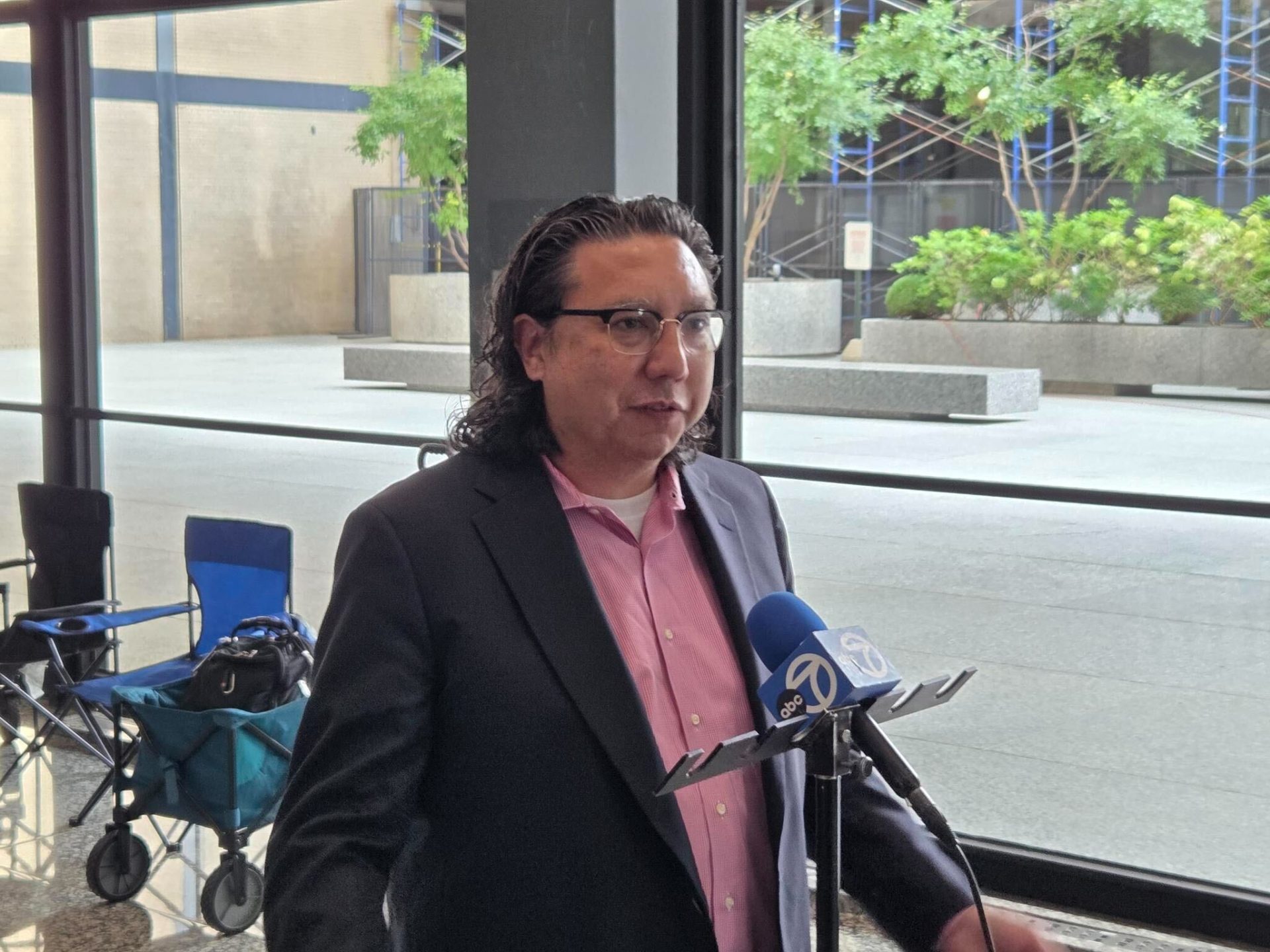
Grassroots Collaborative (GC) is another organization, alongside the Chicago Voters Project, that campaigned for taxing the rich during the 2026 budget cycle. Carlos Fernandez, GC’s executive director, said he understands there may be questions about introduction rules and procedures, however, the mayor’s ballot question is reasonable given the city’s need for more revenue.
“Somebody’s going to have to pay more to get the services to make the investments that the city needs, and it sounds like democracy in action,” Fernandez said about the referendum.
“There are people that hold onto power, whatever piece of power that they have, sowing division through saying, ‘My people don’t want this or those people don’t want that.’ And I think if you get out there and talk to people, if you ask them a ballot question or through canvassing, if you really do the work to talk to the residents of Chicago, you’ll find that across neighborhoods, across races, we want the same things,” Fernandez explained. “We want housing. We want accessible childcare. We want good schools.”
Champion said it’s time to take a closer look at the alderpeople in office and consider replacing the ones who are not acting in the best interest of residents.
“If they care about millionaires so bad, I think those are the people they should work for, not for the people of Chicago,” Champion said.
“The thing that they’re fighting is transparency. The ballot referendum itself is an effort to fight for transparency and the way decisions are made, or at least who has an opinion on them,” Champion continued. “And clearly, they don’t care about that, and it’s time for them to go.”