



The People is our section for opinions and perspectives. Submit your opinion to info@thetriibe.com.
What absolutely bothers me the most in the current discussions around teens gathering in places across Chicago is that people, people we have entrusted to uplift our city and make decisions for us, are continually discussing the criminalization of teens simply being outside. Even worse, this pathway of action risks creating a youth incarceration machine.
I’m a lifelong Chicagoan and former public school teacher, both in Chicago and elsewhere. We’ve had to fight for years against the school-to-prison pipeline, only to trade it in now for a leisure gathering-to-prison pipeline. That’s inexcusable and infuriating.
After experimenting with various forms of curfews, we have now entered the era of wanting to prosecute parents for the actions of their children. While that may sound tantalizing to some, as it is already being discussed, I imagine that it may face serious legal, practical, and equity concerns.
Also, we cannot have this conversation without addressing the racial component embedded within it. Public and political responses have often been far more forgiving when largely white crowds have gathered, usually after some sporting event, and engaged in behavior that resulted in property damage and violence. We’ve often relegated that to the files of “boys being boys” and “just having a good time.”
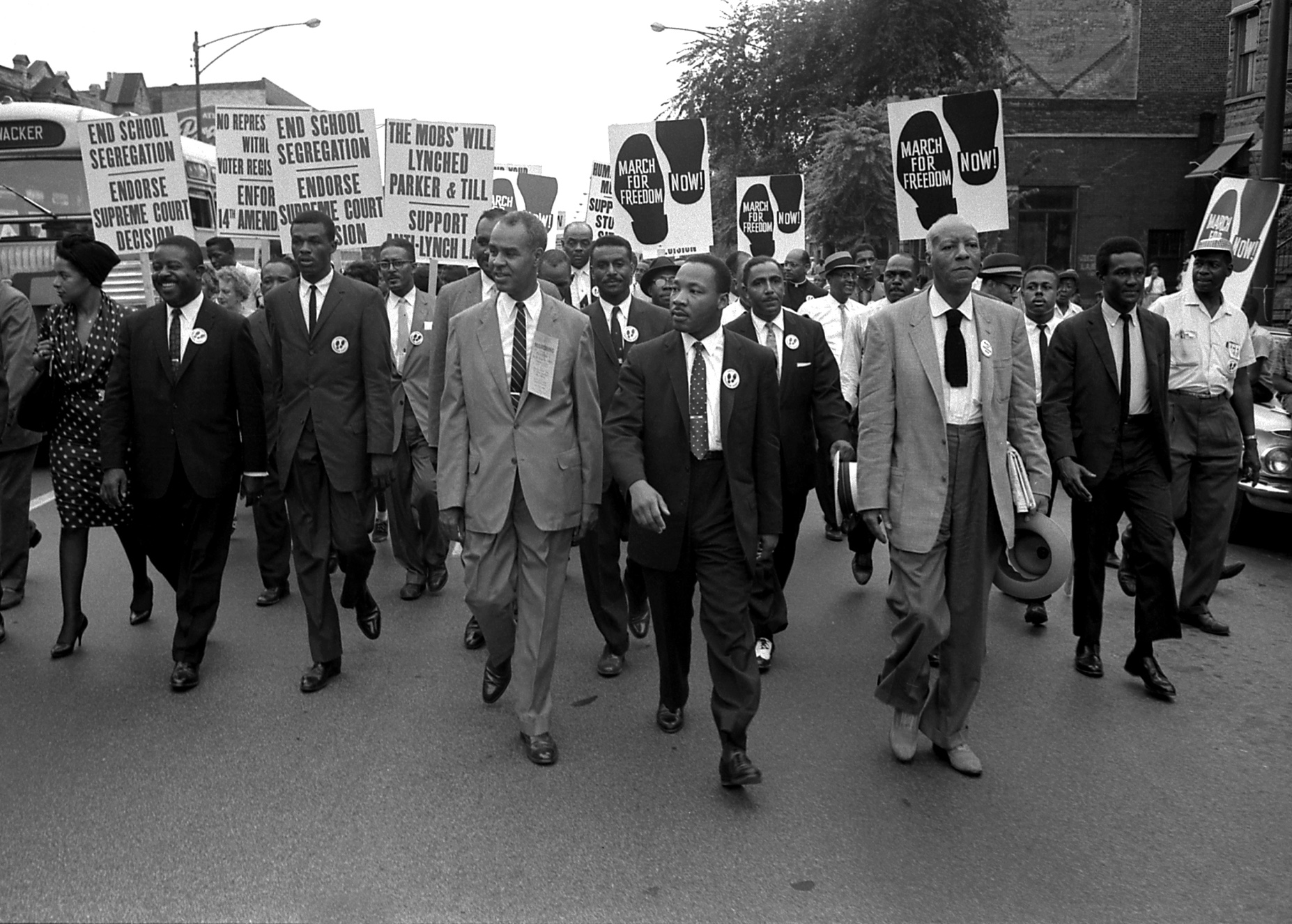
Now, however, we are talking about turning up the heat on already overpoliced communities. What is most infuriating, more than anything, is the propagation, even by elected officials, that large groups of Black and brown kids are somehow “terrifying” and unacceptable in our city. This harkens back to the days of the Chicago Gang Congregation Ordinance enacted in 1992, also, mind you, to prevent the “loitering” of Black and brown youth. It’s important to point out that the ordinance was struck down by the U.S. Supreme Court in 1999 in the case of Chicago v. Morales.
Think about the language of “teen trends.” Why do we need to invent some nouveau term for kids getting together? They are teen gatherings, people. Gatherings. Just like you and your family “gather” for a reunion, or you and your neighbors “gather” for a block party.
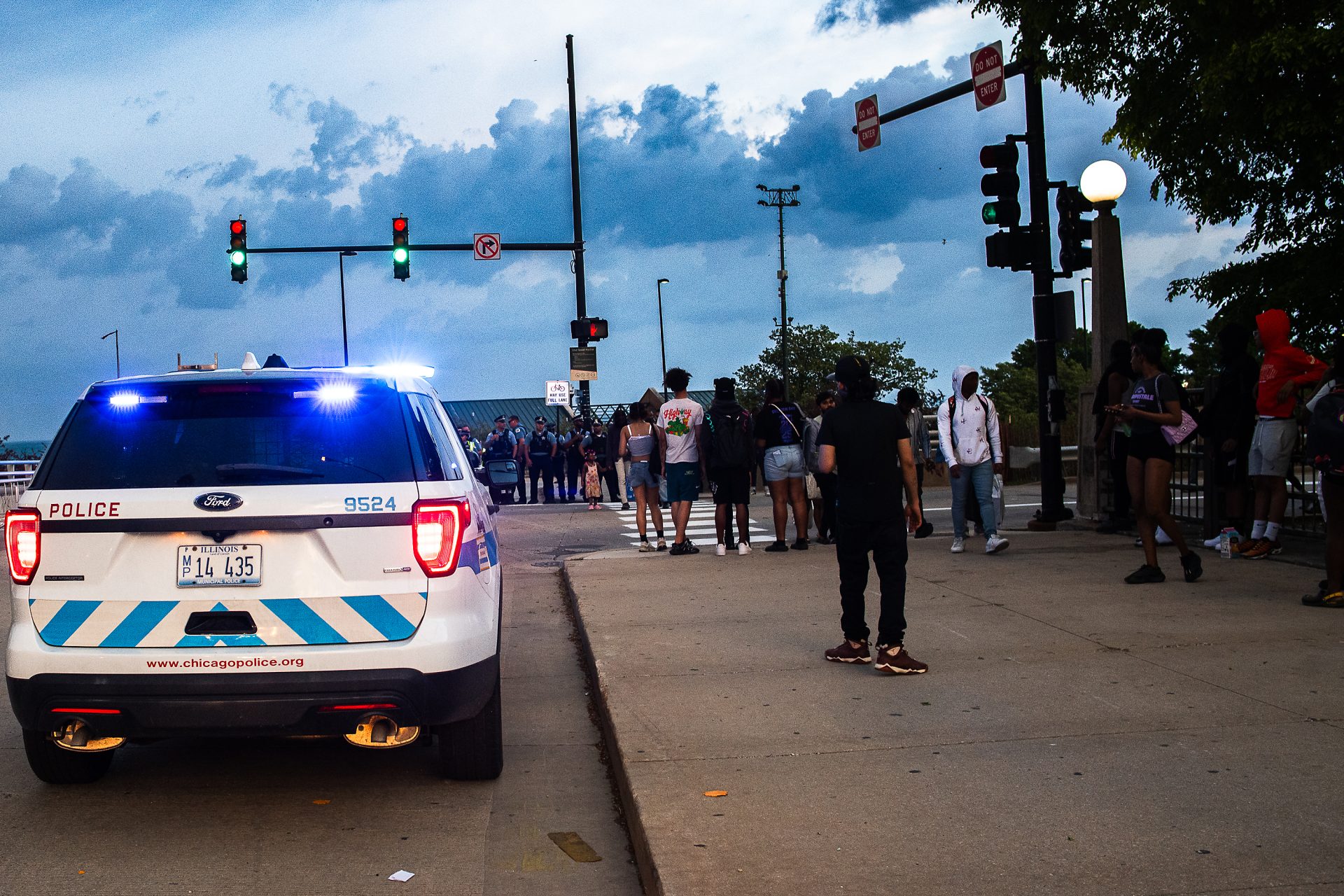
It is rarely clear what laws are actually being violated by youth congregating at the beach. Then, when police show up, sirens blaring, treating youth gatherings like hostile territory rather than community spaces, of course tensions escalate. The approach by the Chicago Police Department (CPD) is offensive.
Yes, I believe in accountability. Yes, we all want our youth to be safe. However, I will never support the notion that Black and brown youth need to stay on their block and inside their homes. Coincidentally, it is the very notion that youth should not only be able to, but should feel free to traverse their city, that gave birth to the often celebrated nonprofit organization My Block, My Hood, My City.
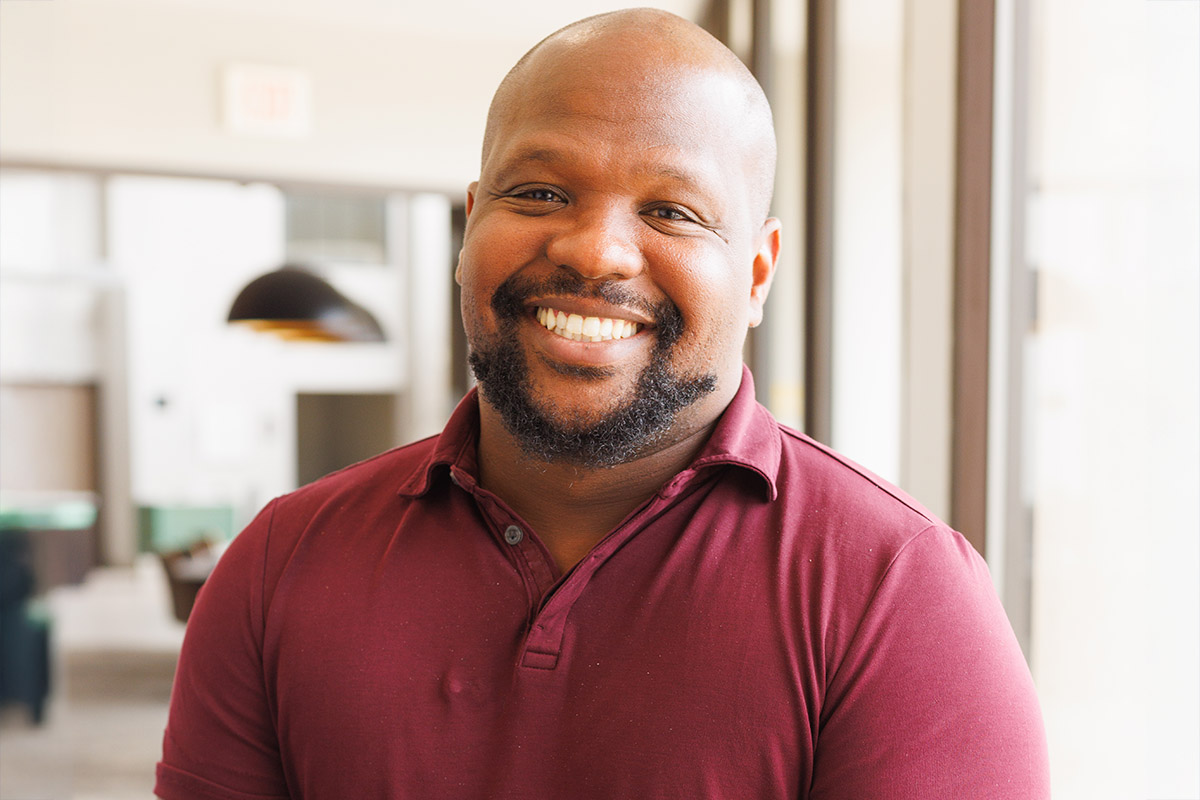
I have firsthand heard founder and CEO Jahmal Cole tell his story of working with youth in juvenile detention and realizing that many of them had never traveled the approximately nine miles from communities like Englewood or Austin to Millennium Park, let alone farther north to communities like Lincoln Park or Logan Square. The unfortunate part is that the constant rhetoric in the air tells me they wouldn’t be welcome there anyway. Celebrate the organization, but not the work?
Rather than chasing solutions that we simply know will not work, we need to continue having conversations about approaches that do not immediately criminalize our youth, but instead allow us to work with them to ensure safe and manageable experiences. We have to keep in mind that in most of the situations we are discussing, we are talking about a majority of youth simply looking to go out and, yes, let off some steam, flirt with each other, and be around their friends with minimal adult interaction. However, we also know that when large gatherings occur, it opens the door to unfortunate interactions and incidents, particularly with a population whose decision-making and impulse-control centers are not yet fully developed.
Yes, we know that youth often need guidance. But curfews and criminalization are not the answer.
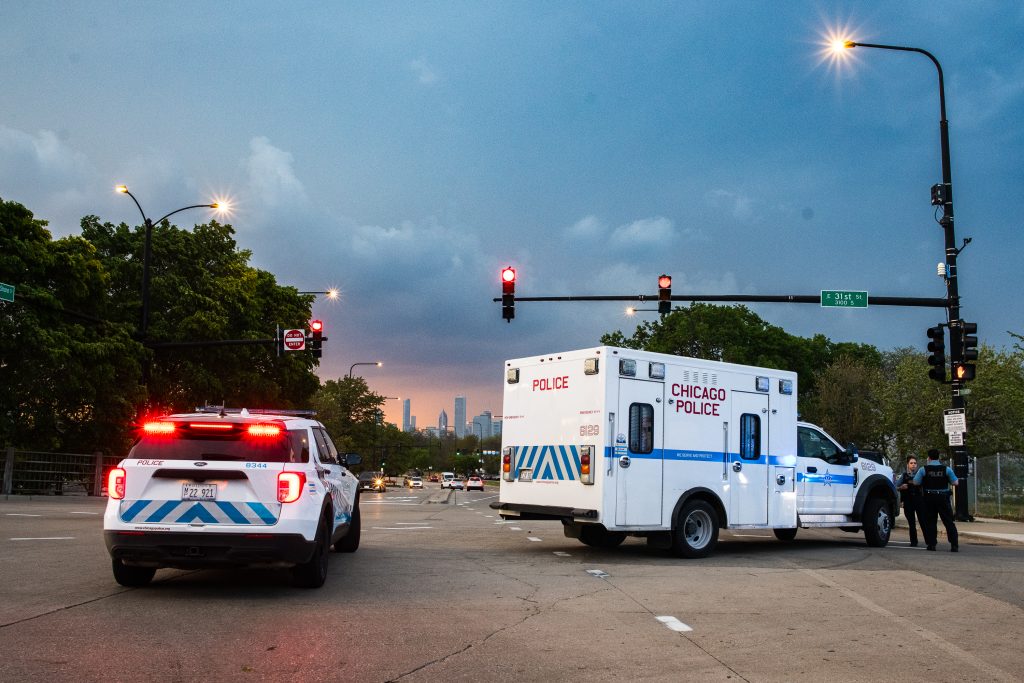
One practice that I fully support is the use of social media monitoring, school and youth outreach, Chicago Transit Authority (CTA) coordination, park district staff, violence interrupters, and credible messengers to identify likely gathering points before they explode. The goal is “redirect before contact with police.”
However, the next step is where we fail miserably: where can youth actually go?
In Glasgow, Scotland, when faced with gang violence, knife violence, and youth homicide, they decided to take a public health-forward approach to youth violence. Instead of asking, “How do we punish violent youth?” they started asking, “What conditions produce violence, alienation, and hopelessness in the first place?”
In 2005, Scotland created the Scottish Violence Reduction Unit (SVRU). While this initiative was housed within the policing system, it’s important to note that the unit was intentionally multidisciplinary, consisting of partners across health, social work, housing, and many other fields.
The key ideas of the SVRU approach were:
- Violence behaves like contagion.
- Trauma reproduces trauma.
- Prevention matters more than reaction.
- Systems must intervene earlier.
- Young people need belonging, safety, identity, and hope.
The youth spaces they created were designed to let youth culture exist, rather than simply reflect what adults thought teens would like. These spaces were intended to be:
- Physically safe environments
- Emotionally safe environments
- Non-police community hubs
- Places youth actually wanted to be
- Spaces open during the hours violence typically escalates
- Environments with trusted adults and peer leaders
And they consisted of activities like:
- Music
- Gaming
- Food
- Haircuts
- Sports
- Training
- Art
- Hanging out
- Conflict mediation
- Job pathways
- Mental health support
The youth of Chicago are as diverse as the many lovely communities throughout our city. While some youth love sports, others want to sit and play chess, while others simply want to lie on a beanbag with a book.
A key problem with these teen gatherings, from my perspective, is that once the teens, sometimes in the hundreds, come together, there’s nothing specific for them to do. Now that they’re in the open air, they essentially have to make their own fun or amusement. I can only speak from my own experience: as a youth, when left to my own devices, it was never long before something got broken or shenanigans were afoot.
My friends and I once, on a lazy Saturday afternoon, found what we thought was an empty gas can. Why we thought throwing a lit match into that gas can would result in anything positive, I have no idea. I stood over the gas can and dropped in the match, losing only my eyebrows, eyelashes, and a strip of hair up the center of my head. I’m lucky I didn’t lose an eye.
A celebrated endeavor in Glasgow is the G20 Youth Project. The G20 Youth Project is often cited as an example of meeting young people where they are, creating safe, supportive spaces in communities where youth were already gathering.
The space built by G20 included:
- Mentoring
- Therapy and support
- Cookery
- Hairdressing
- Work activities
- Community café operations
- Fundraising projects
- Social space
Rather than being purely social, this gave youth things to do, opportunities for skill building, and ultimately put money in their pockets. This project addressed root causes of violence by ensuring:
- Boredom decreases
- Supervision increases
- Belonging increases
- Conflicts are interrupted earlier
- Identity shifts
- Trusted adults become accessible
However, this approach rests heavily on long-term investment. We are talking about year-round, multi-year interventions, not simply a summer job program, important as those are. Summer is only three months out of the year.
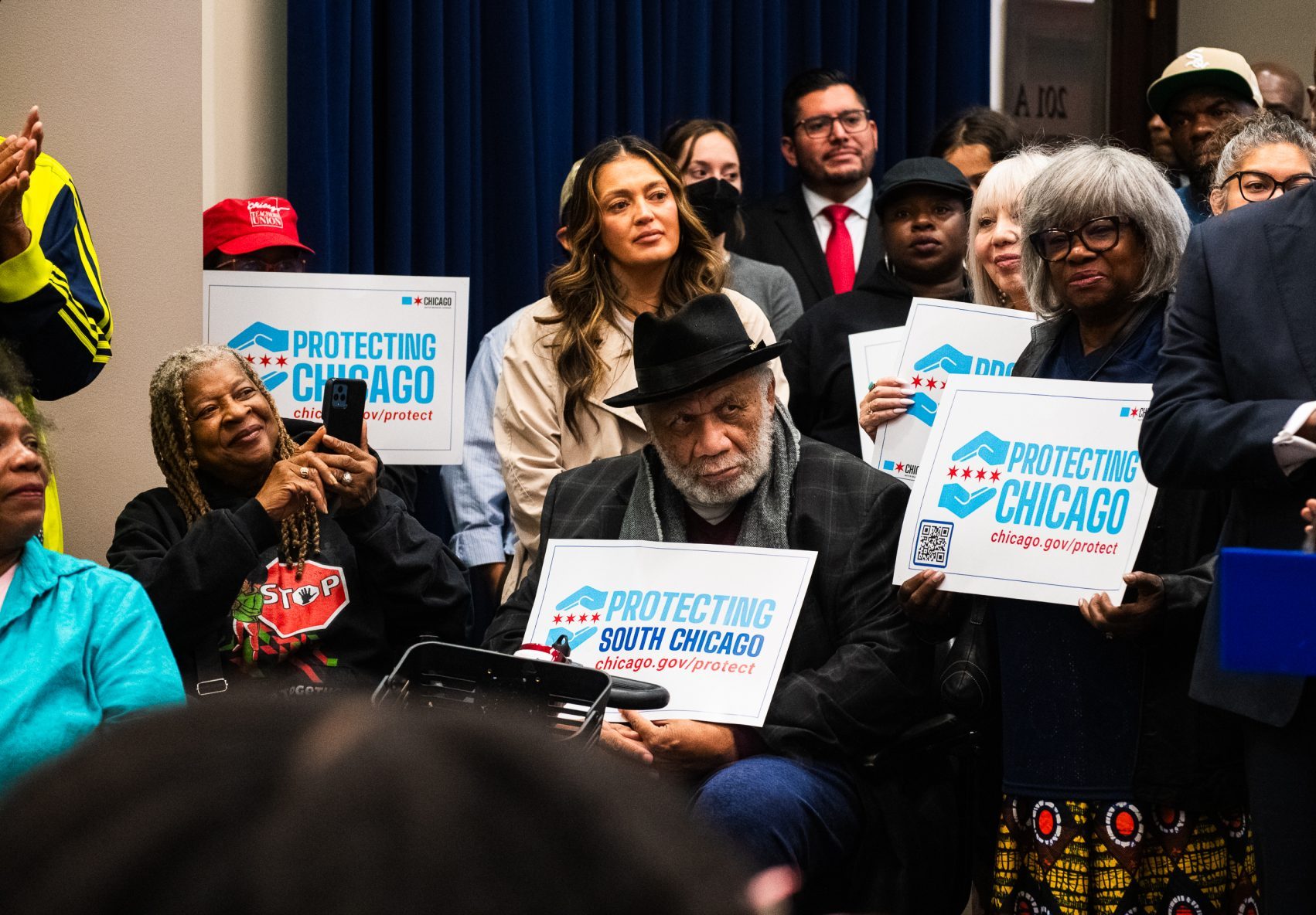
Additionally, just as we have seen investments and growth in CVI work decrease violence both in Chicago and across the nation, credible messenger rapid response teams can be used in these instances. Kudos for the recent passage of the Peacebook, which can serve very well in this situation. This would look like deploying trained youth workers, violence interrupters, mentors, and outreach workers alongside, but not subordinate to, police. Evidence on credible messengers and restorative approaches is promising, especially for system-involved youth.
Next, we need focused accountability for actual harm. Being outside on a nice day is not a crime, nor should it be. While being outside after curfew is a violation of ordinance, I would not label that a “crime.” However, when crimes do occur, youth who are committing violence, robbery, vandalism, gun possession, or attacks on others do need to be held accountable, and yes, serious acts require consequences.
However, consequences can include restorative justice, restitution, community service, diversion, victim-offender conferencing, and intensive case management. One of the duties of Chicago’s Police District Councils is to “work to develop and expand restorative justice and similar programs in the District.” This feels like a perfect opportunity for CPD to better connect with non-punitive practices. As I am always reminded, “to a hammer, everything looks like a nail.”
This brings us to a major partner in all of this: parents.
As a former school teacher, I remember the many supports parents needed. Oftentimes, when children were getting into some variation of trouble, the parent was often at job two or three, doing everything necessary to keep a roof overhead and food on the table.
Instead of fines or jail threats, we could require rapid family conferences, transportation plans, case management, conflict mediation, and referrals. Parental responsibility laws have long existed, but legal scholarship has criticized them as resting on weak assumptions that youth behavior is primarily caused by parental failure.
CPD and the city can also coordinate to create transit-based safety plans. This does not mean shutting down the Red Line. It could look like providing late-night safe passage teams and staff presence at major transit hubs, not to yell at kids, but to provide some of the aforementioned resources, hand out water and snacks, guide teens toward safe dispersal, and even offer free transportation before crowds become too unwieldy or volatile.
Finally, let us acknowledge that the evidence supporting curfews is not strong. In fact, a Campbell Review found juvenile curfews generally ineffective at reducing crime or victimization, while other reviews concluded the evidence is too limited to draw confident conclusions.
Chicago needs to be proactive in our approaches. Reactive moves will only make these situations worse. We need to predict, redirect, engage, separate harm from presence, and reserve prosecution for actual violence.