



The People is our section for opinions and perspectives. Submit your opinion to info@thetriibe.com.
Illinois lawmakers are on the clock. The legislative session is coming to an end on May 31, and the time to deliver on the promise state lawmakers made to protect and serve their constituents is near.
House Bill (HB) 4443 repairs the damage done by the War on Drugs by directing money from the Cannabis Regulation and Tax Act to communities directly impacted by years of misguided public policy.
HB 4443 funds a guaranteed income. It delivers economic stability to communities devastated by the War on Drugs, a public policy failure that disproportionately targeted, arrested and incarcerated Black and Latino people across the country. Communities impacted by the War on Drugs now face immeasurable challenges from tectonic technological shifts to swift economic upheaval and abrupt changes in public policy.
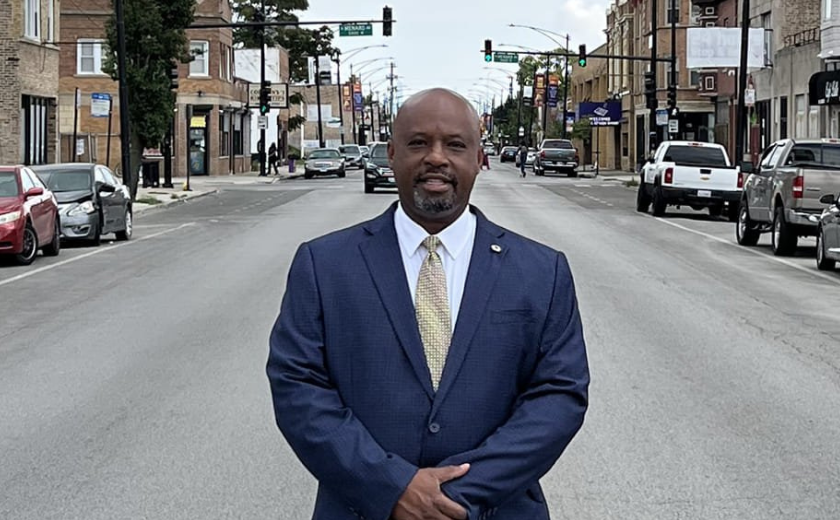
My name is Richard Wallace, and as the founder and executive director of Equity and Transformation (E.A.T), I have firsthand experience with how the drug war impacted communities of color through mass incarceration, overpolicing, disinvestment and community decay. I was a victim of the War on Drugs and saw firsthand how a war targeting harms caused by addiction misfired and instead struck poor communities and injured the people living there.
In 1993, at the height of the war, more than 64,000 Illinois residents were arrested on drug related charges, according to the U.S. Department of Justice. These were felony counts that disqualified them from many forms of employment, and now create a barrier of entry into the new cannabis economy.
Because of this series of public policy errors, communities of color in major cities, as well as majority white rural towns in Illinois, struggle to keep pace as new technology, like artificial intelligence, further constricts an already tight labor market.
Illinois lawmakers have a solution: an idea these lawmakers promised when they passed HB 1438, the Cannabis Regulation and Tax Act, in 2019, which they said would serve as “reparations for the War on Drugs, paid directly to the survivors.”
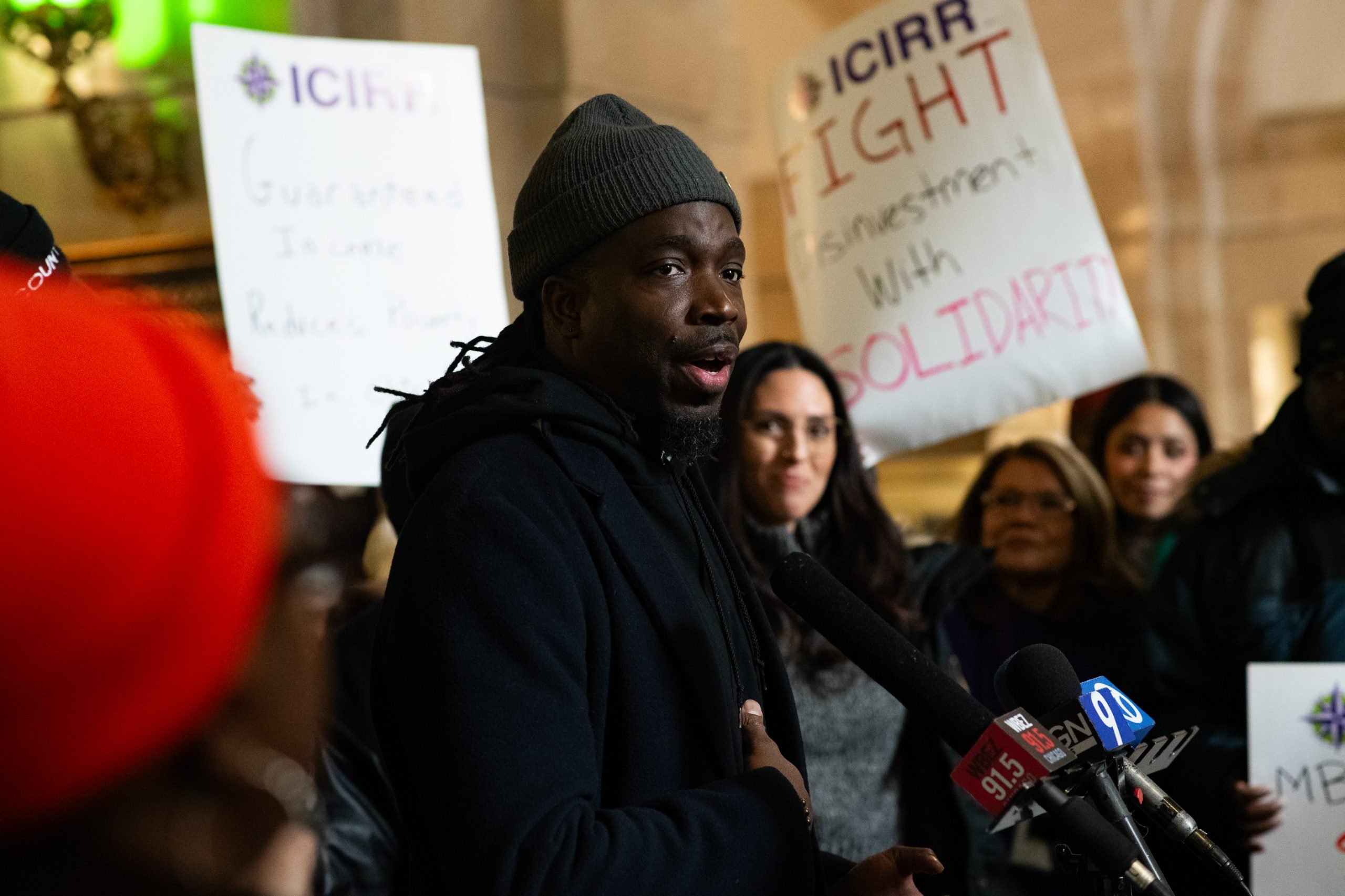
Equity and Transformation took up the task of delivering on that promise in Chicago, not because we offered prescriptions to the ills of poverty and disenfranchisement, but because we listened. Guaranteed income was not a solution crafted in a think tank or policy shop. It is a response.
Equity and Transformation listened to the call of thousands of Chicagoans who needed cash assistance, a financial bridge to carry them from trouble to security. Our organization piloted a guaranteed income for 30 formerly incarcerated Chicagoans, which has expanded to more than 100 recipients. Cook County followed, and we have watched the lives of hundreds of Illinoisans transformed.
No strings attached financial support has helped Chicagoans and Cook County residents catch up on bills, pay for medical emergencies, provide reliable transportation that expands where people can seek employment and what jobs they can fill.
We have heard from detractors that guaranteed income won’t work, that it will encourage people to permanently leave the labor force and not return, and that guaranteed income will usher in the return of the welfare queen myth popularized by former President Ronald Reagan. The characterizations are plain wrong, and frankly rely on racist tropes that are disproven by the facts on the ground.
Guaranteed income is not designed to sideline people and keep them out of the workforce. It provides intermediate term cash assistance (typically 18 months) to help recipients locate decent labor that will ultimately help them become more productive and engaged citizens. It subsidizes ($500 per month), but doesn’t replace existing social service assistance or wages received by the participants. And while it will repair the harms done to Black and brown communities who were disproportionately impacted by the War on Drugs, statewide guaranteed income will lift communities across the state — including majority white towns like Dixon, Illinois, an epicenter of the state’s rural opioid crisis and the birthplace of Reagan.
Lawmakers need to act quickly. As the federal government has cut SNAP benefits, inflation hovers near 4% and fuel prices drive transportation and utility bills upward, communities still in recovery from the War on Drugs fall further behind. Residents in need are already feeling the pinch and have demanded change. We have heard them loud and clear.
If lawmakers are serious in addressing the needs of this state, your constituents have spoken. A consensus has been reached, and the people have given you a mandate. It’s time for lawmakers to act.