

The People is our section for opinions and perspectives. Submit your opinion to info@thetriibe.com.
Like any number of Chicago families in the 1960s, ours would spend weekends at the Museum of Science and Industry or Lincoln Park Zoo.
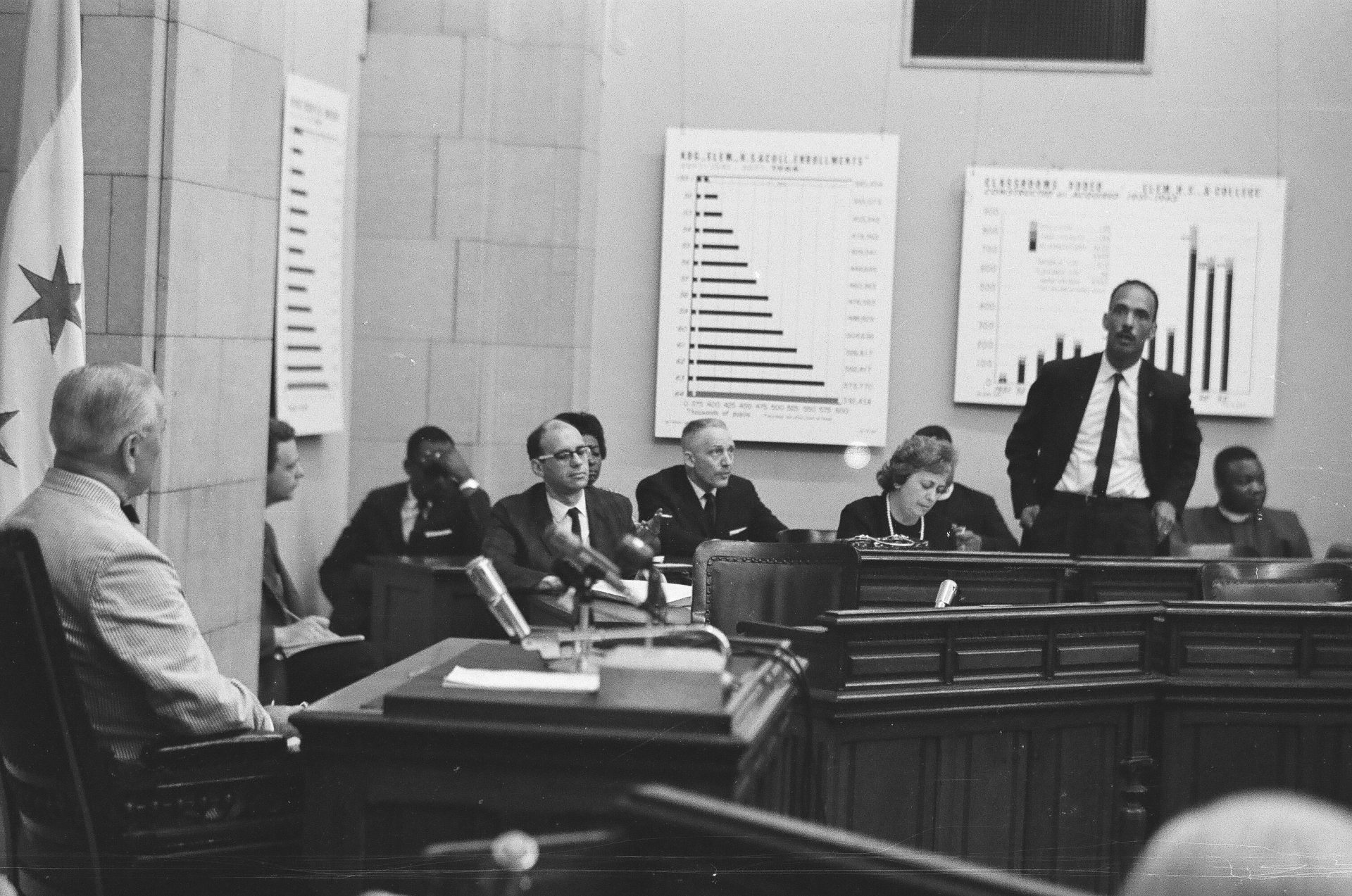
Then the next weekend we’d sit in at the Chicago Board of Education (CBOE) meetings.
It took me years to realize this wasn’t typical, and neither was my mother, who brought my older brother and me along on marches and protests, or left us under the watchful eyes of babysitters who happened to be members of the Conservative Vice Lords.
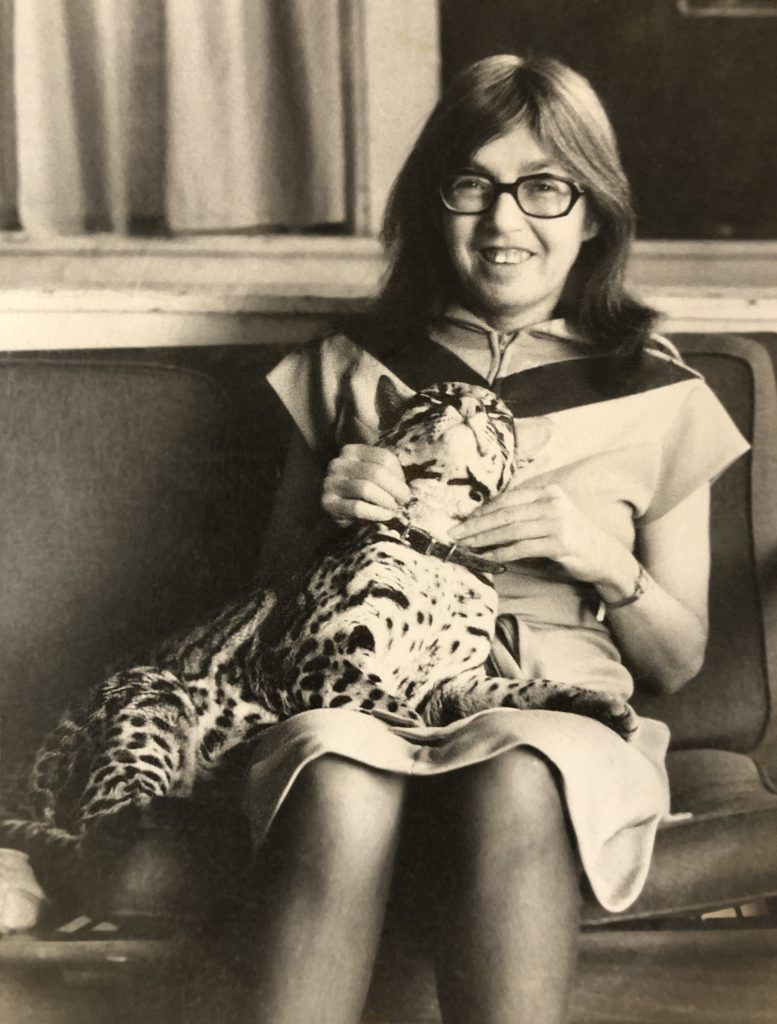
Jean Birkenstein Washington, or Jean to everyone who knew her, including my brother and me, opened her Near North Side home to civil rights organizers, gang members, and any number of students or neighborhood kids she’d take under her wing. It was one of several living rooms where grassroots organizing took place that shaped Chicago’s Civil Rights Movement, from school desegregation fights to the coalition that brought the Rev. Martin Luther King, Jr. to the city in 1964.
A defining feature of the meetings Jean hosted was her serving lemonade.
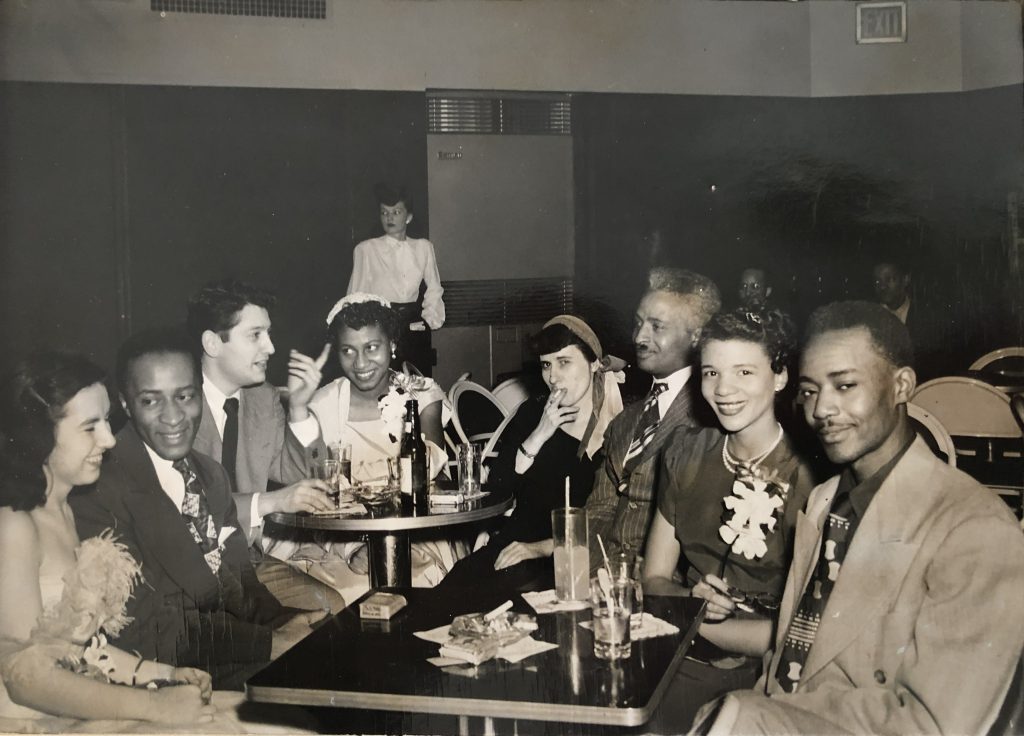
“We never had liquor,” recalls Charles Smith, drafted — while barely out of high school — to serve as chairman of the Congress of Racial Equality (CORE) in Chicago, first the North Side branch then citywide.
It wasn’t just because some participants were underage, but a strategic move on Jean’s part to weed out anyone not fully committed to the cause: This was a revolution, she’d stress, not a social club.
“No one was on drugs that I knew of in the movement. You didn’t do that,” Smith, now 84, said of required discipline during protests, including picketing at the 1960 Republican National Convention in Chicago and a wade-in at the unofficially segregated Rainbow Beach on the South Side.
A major fight was forcing the CBOE to redraw or abolish district boundaries drawn along racial lines, which had created overcrowded Black schools and left underutilized white schools with better resources.
That was the demand of the sit-in at CBOE headquarters from July 10-18, 1963, a 24-7 occupation that was one of the longest continuous actions of the Civil Rights Movement nationwide.
I remember it like yesterday, as documented in a United Press International newspaper story about our protesting overnight:
“Two Negro children, Glen and Robin Washington, sat at the table, eating cookies,” it read.
It didn’t remain so idyllic. After being told by CBOE President Clair Roddewig to “stay as long as you like,” our group was forcibly removed by police, one of numerous encounters that, while not as violent as the fire hoses and dogs of Birmingham, Alabama, still made protesting in Chicago dangerous work.
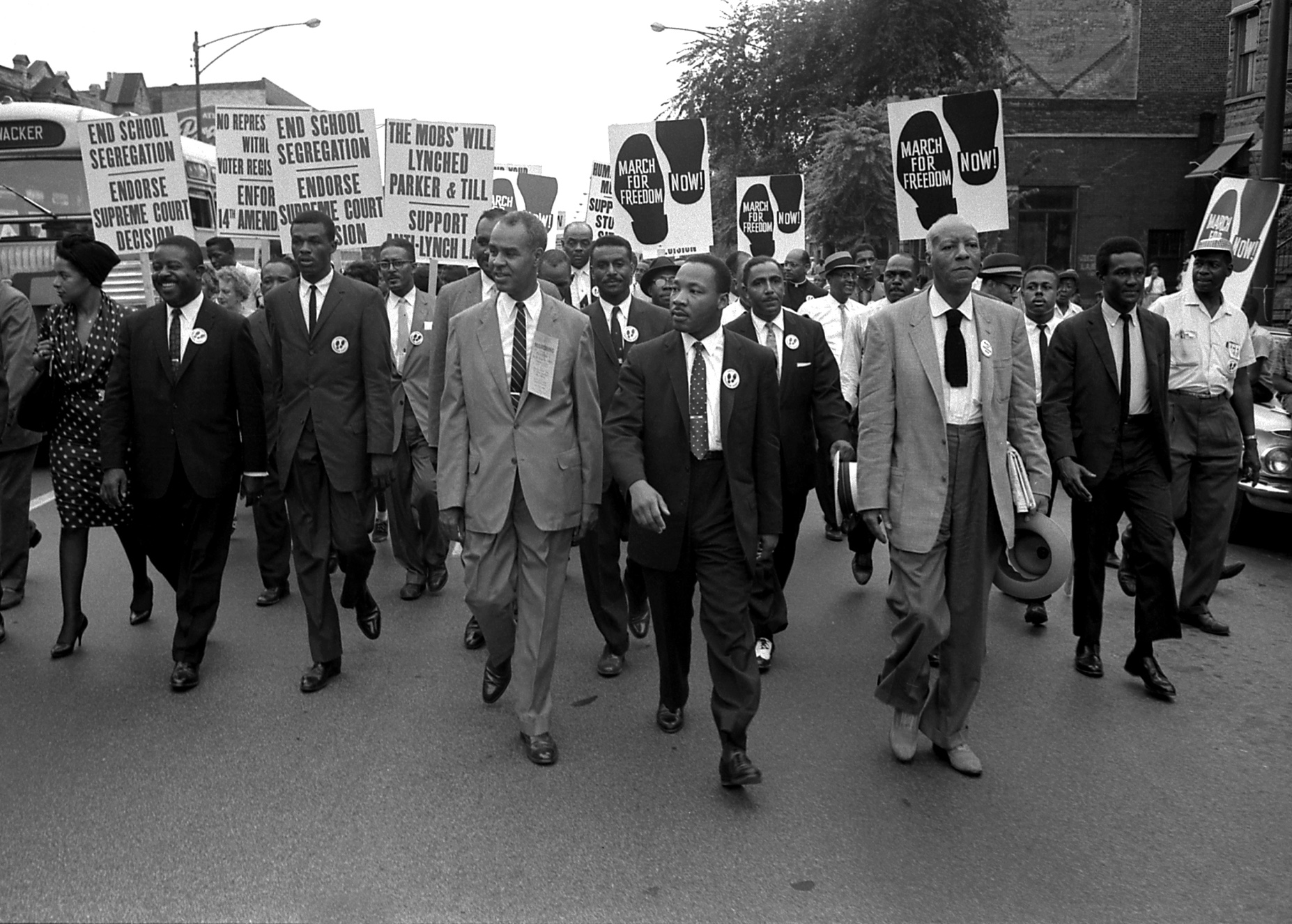
Those actions caught national attention, drawing King to town in 1964 for his two-year-long Chicago Freedom Movement. The invitation came from Al Raby, another activist recruited in our living room, where he arrived to give a member of the group a ride home and left as the newly appointed president of the just-formed Teachers For Integrated Schools, also headquartered in our house.
“We created Al Raby,” my mother would joke whenever she saw him on the news years afterward. By “we” she meant a group of women activists who would start organizations and plan actions behind the scenes, then name to lead them a male who authorities didn’t know. The strategy was borrowed from Montgomery, Alabama, on the eve of the 1955 bus boycott, when local organizers tapped an unknown newly arrived minister, Martin Luther King, Jr., as their leader.
In both cases, those new leaders rose to the occasion, King in leading the movement nationwide and Raby in attracting King to Chicago and later, successfully running Harold Washington’s campaign to become the city’s first Black mayor in 1983.
Washington’s success was among reasons recent Harvard law grad Barack Obama came to Chicago to embark on his political career. Raby died in 1988 and my mother in 2003, neither living to see that culminate in Obama’s presidency. Thankfully, they were also spared from that of his successor, Donald J. Trump. But it’s the ultimate answer to anyone wondering the relevance of all those marches and meetings back then.
I am beyond humbled to share in this legacy. I, along with Smith, his children, Raby’s granddaughter and Chicago Freedom Movement scholar James Ralph, will gather to discuss the movement at the Near North Branch Chicago Public Library this Saturday, May 2. It’s in honor of my mother, who would have turned 100 this year.
We’re still working on whether or not we’ll have light refreshments, but if so, we’ll definitely serve lemonade.
Here are the details if you’d like to join us:
What: Civil Rights Struggles & Strategies: Old Town, Chicago, and the Nation
Jean Birkenstein Washington Centennial Forum
When: Saturday, May 2, 1-4 p.m.
Where: Near North Branch Chicago Public Library, 310 W. Division St., Chicago
Who: James Ralph, Middlebury College; author of Northern Protest: Martin Luther King, Jr., Chicago, and the Civil Rights Movement
Charles Smith, architect, Old Town resident and Chicago CORE chairman, 1960s
Katanya Raby, founder, Al Raby Foundation, carrying on the legacy of her grandfather
Moderator: Robin Washington, journalist, Civil Rights documentarian and son of the late Jean Birkenstein Washington
More information: www.facebook.com/share/1BkiJYpRTU/
Cost: Free.