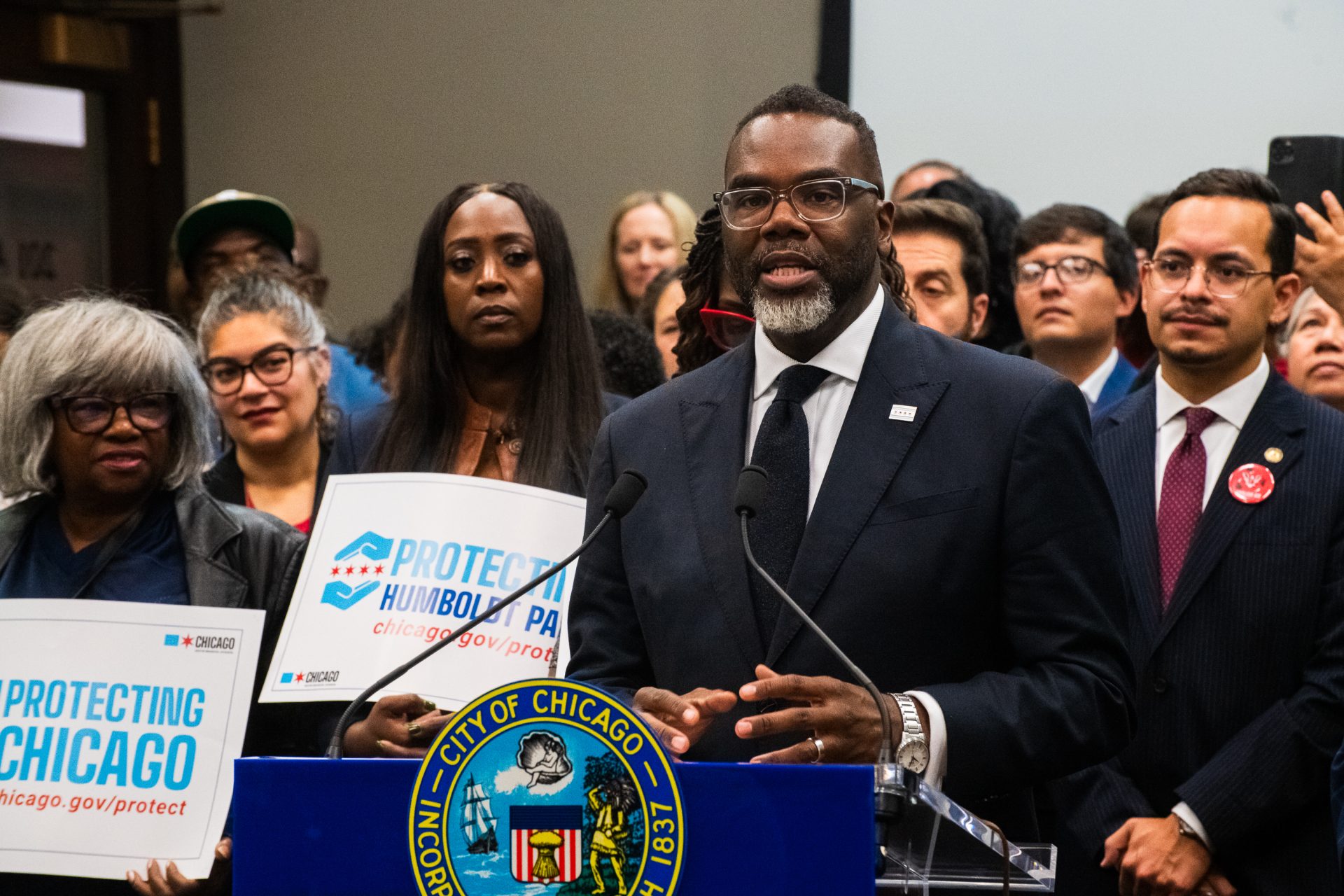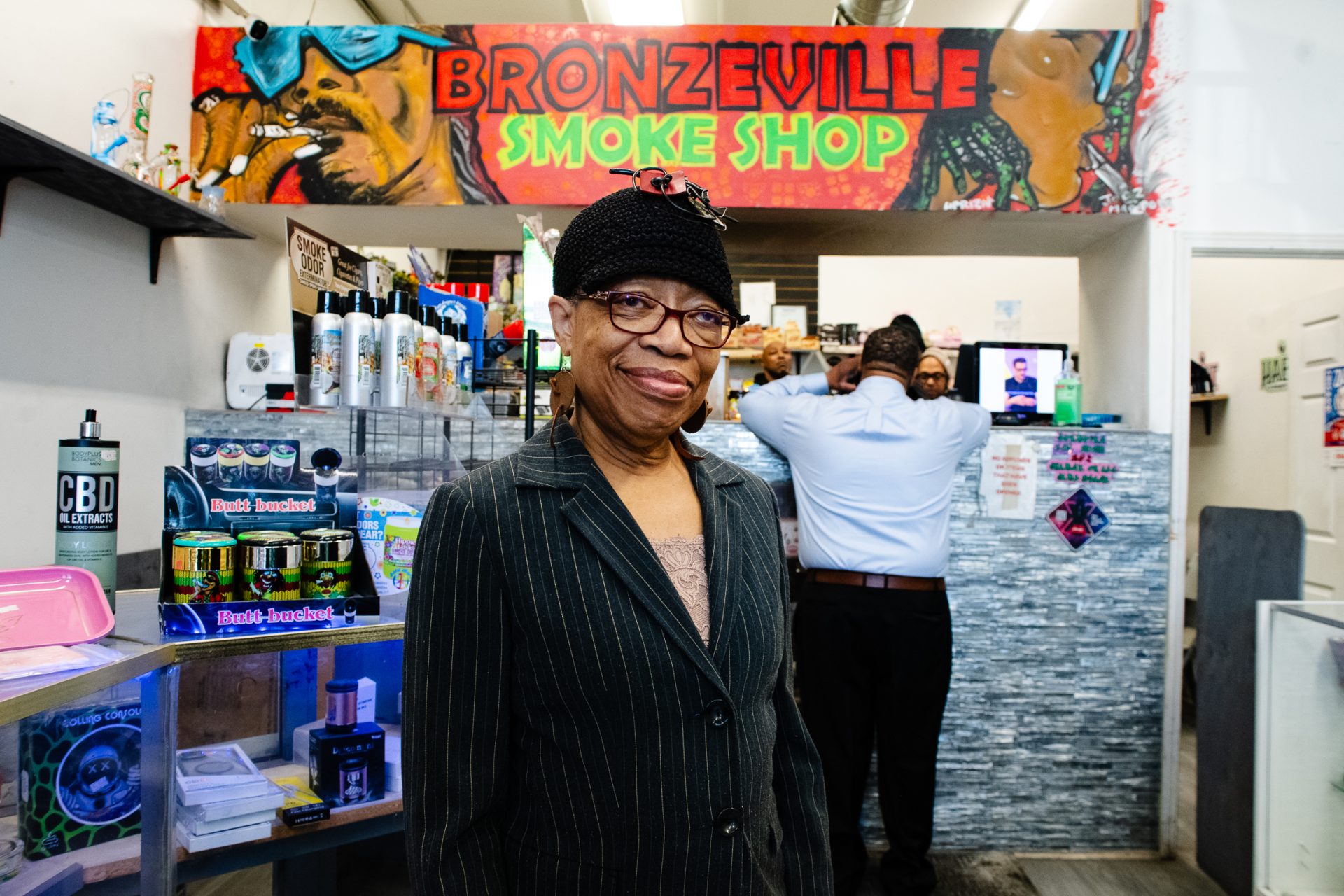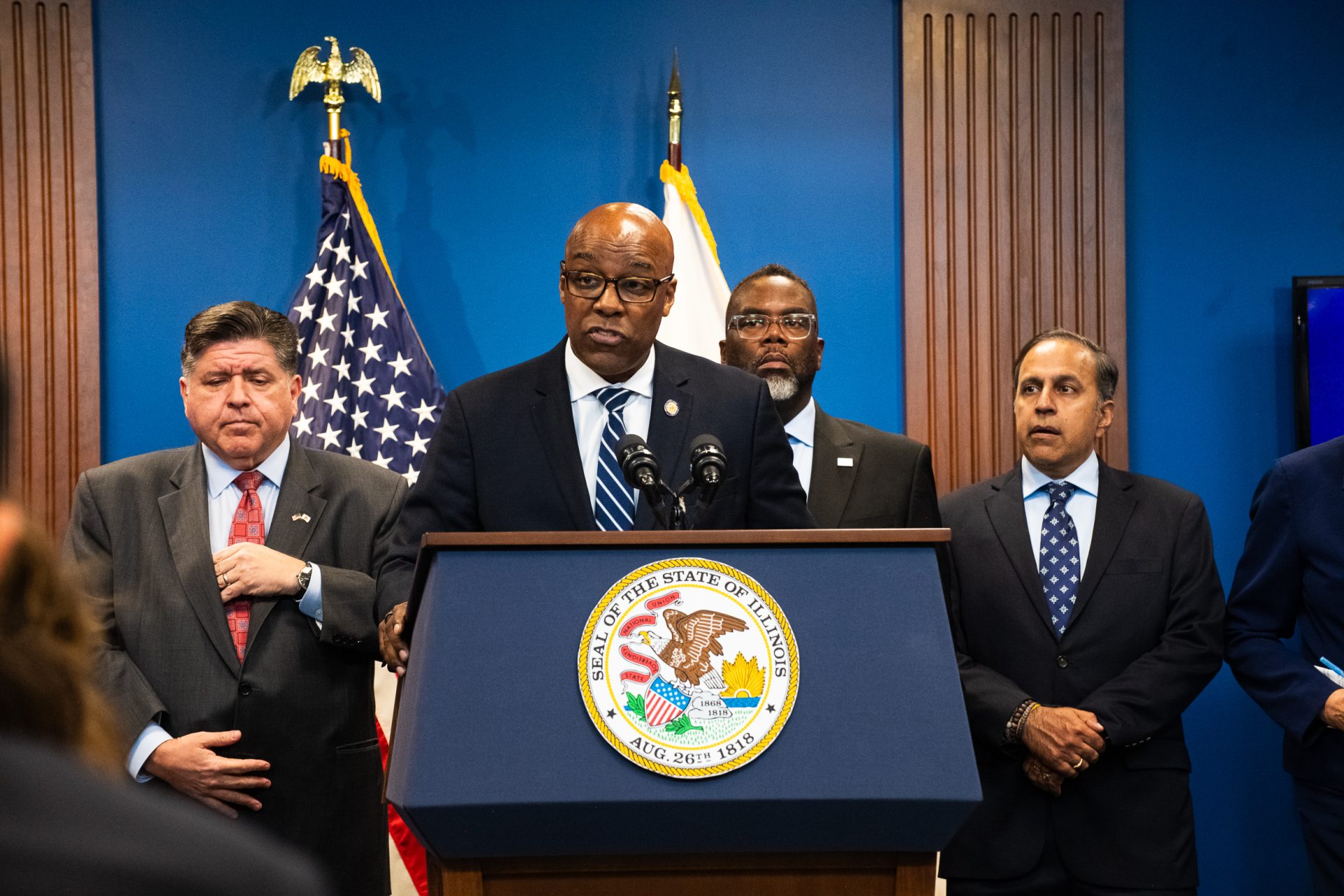

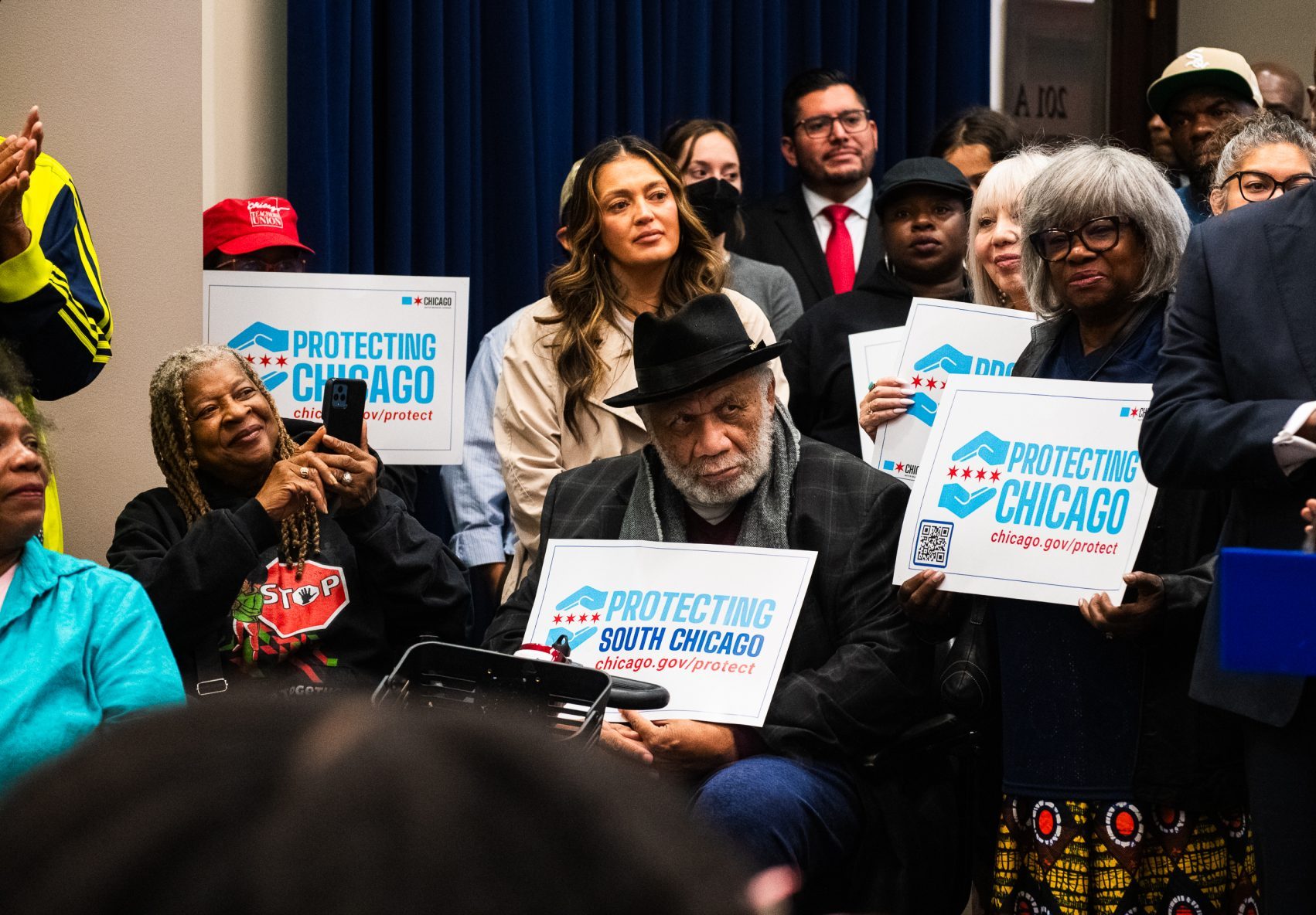



Today’s Chicago City Council meeting was a mixture of somber and celebratory moods. Alders worked through a stacked agenda. They unsuccessfully challenged Mayor Brandon Johnson’s veto on scheduled wage increases for tipped workers; confirmed Kenya Merritt as the new commissioner for the city’s Department of Cultural Affairs and Special Events (DCASE); blocked a vote on an updated accountability proposal to rid the Chicago Police Department (CPD) of police officers connected to far-right hate groups; and finally selected a new chair of the council’s zoning committee, Ald. Gil Villegas (36th Ward). The meeting lasted about four hours, ending just before 2:30 p.m.
In a post-council press conference, Johnson responded to The TRiiBE’s question about the status of the extremism Task Force that he launched in 2025. The goal of the task force is to examine the city’s hiring practices and to better understand extremist affiliations across all city government agencies.
“I think the outbreak of what was introduced today is part of that recommendation,” Johnson said, referring to the current proposal that, if passed, would allow CPD to remove officers with ties to extremist groups. “The effectiveness of these task forces is determined by the type of policies they produce, just like the Reparations Task Force.”
He added that such policies should expand to other city departments, not just the police department.
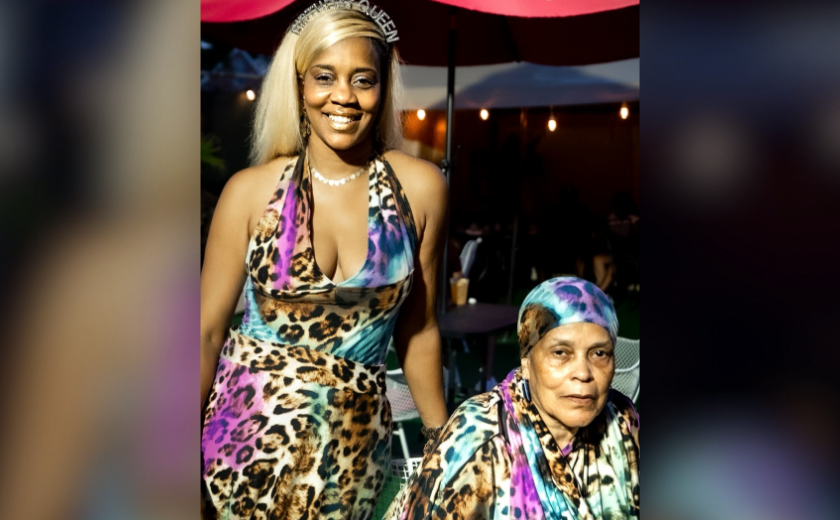
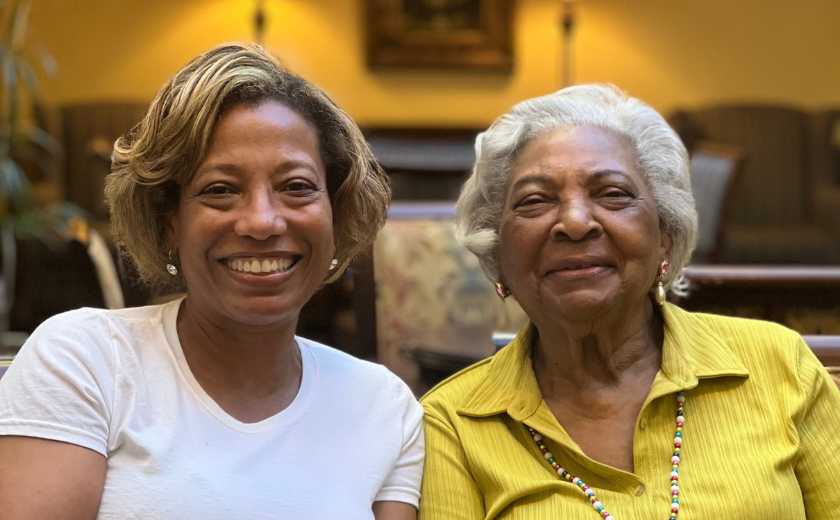
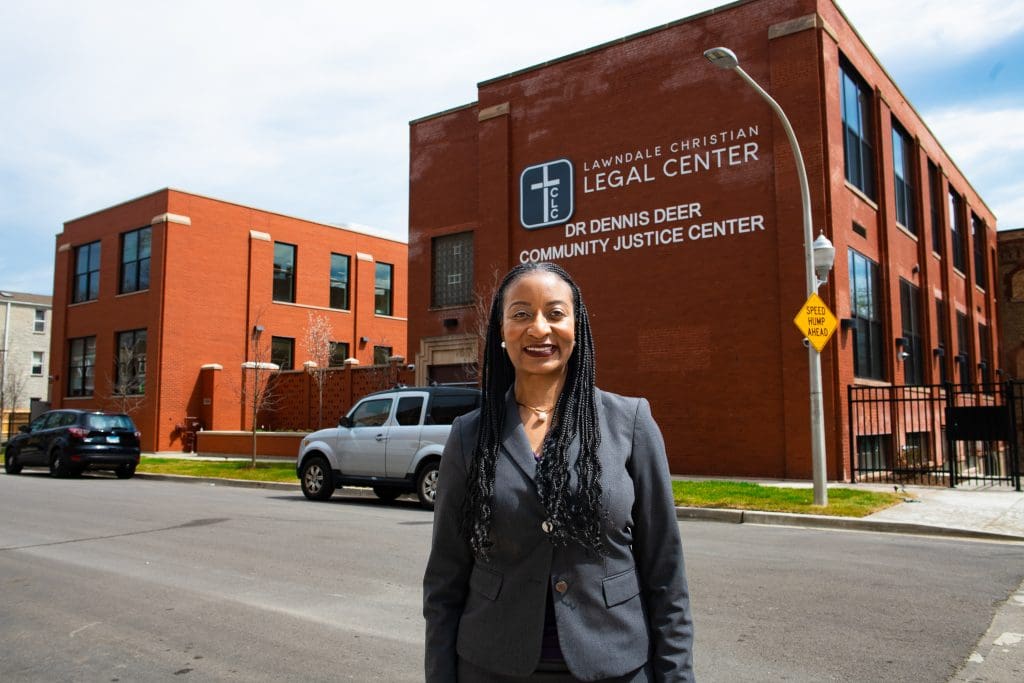
After the public comment period, Johnson asked the council and meeting attendees to observe a moment of silence for community leader Barbara Deer, who was fatally shot Tuesday inside her East Garfield Park home. She was 51. Deer was the widow of former Cook County Commissioner and Lawndale Christian Legal Center (LCLC), who passed away in 2024 from health complications at the age of 51. She also served as executive director for Juneteenth Illinois NFP and had joined LCLC’s board of directors last year, according to the nonprofit’s LinkedIn post. The Deers were married for 27 years and met at Collins Academy High School. Their 23-year-old son, Kaleb Deer, was also found dead — with a single gunshot wound — near his mother inside the home, according to the Chicago Sun-Times.
Johnson spoke fondly of the Deers and their commitment to public service and to advancing mental and behavioral health services. He added that working alongside them over the course of his career was a joy.
“This act of violence took two lives and left a family and community in deep grief,” Johnson said.
The City Council meeting resumed with members acknowledging the accomplishments of Chicago Public School students. City Council members honored the boys’ basketball teams at Marshall Metropolitan High School and Farragut Career Academy for their successful basketball seasons.
Marshall won the 2026 IHSA Boys Basketball Class 1A State Championship last month, while Farragut made it to the Class 2A state semifinals but lost to Quincy Notre Dame. The room also acknowledged Walter Payton College Preparatory High School winning the state’s 2A scholastic bowl, and Seraj Zerouni, a sixth-grader at LaSalle II Magnet School, won the district’s spelling bee. Alders also took a moment to honor former Mayor Harold Washington’s 104th birthday. Born on April 15 in 1922, Washington died in office in 1987.
Alders attempt to override Johnson’s veto on pay increases for tipped workers
In March, Johnson vetoed an ordinance that would have blocked scheduled pay raises for service industry workers. In a 30-19 vote at Wednesday’s meeting, the council failed to override his veto. The council needed 34“yea” votes to overturn it.
Ald. Anthony Beale (9th Ward) was one of 29 other alders who voted in favor of overriding the mayor’s veto.
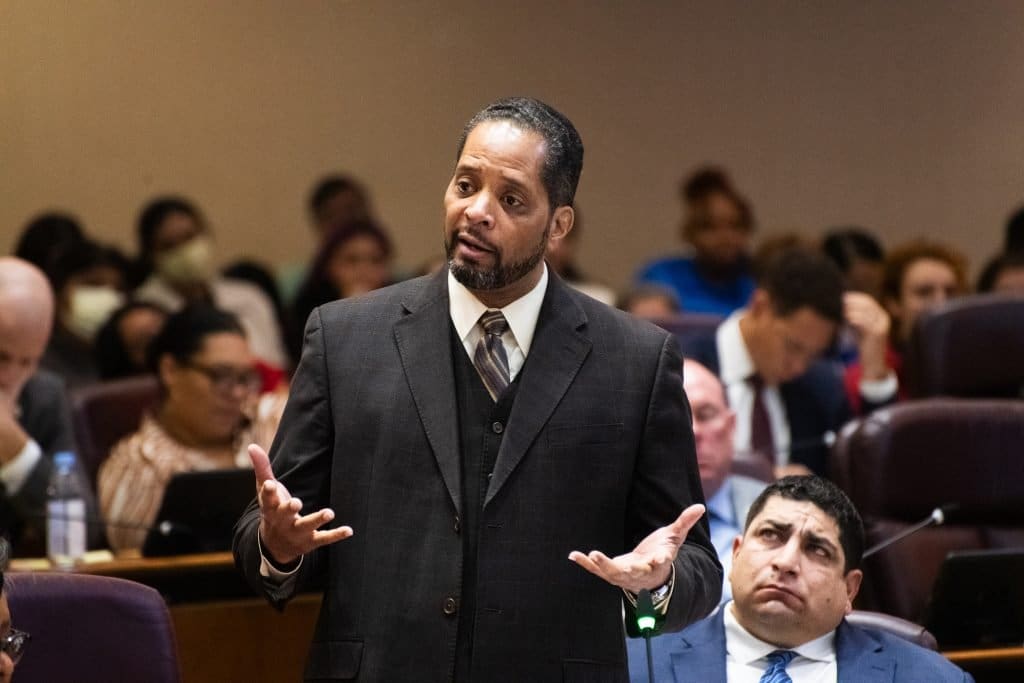
“We knew that this was going to harm businesses. Now we have data to show that it’s harming Chicago,” Beale said. “We have to stand up today and do what’s right instead of doing what you think is the politically correct thing to do.”
This is the third time that Johnson has exercised his veto power. He previously vetoed the hemp ordinance, which has been described as a prohibition-style law, and the “snap curfew.”
In a recent letter to City Clerk Anna Valencia, Johnson said the ordinance would “deprive tipped workers of desperately needed financial stability across the city of Chicago by maintaining a minimum wage. This ordinance would harm an estimated 80,000 tipped workers in Chicago. The impacted tipped workers are disproportionately Black and Brown women.”
In 2023, Chicago made history in Johnson’s first few months as mayor as the first major city to end the sub-minimum wage for tipped workers. The ordinance gradually phased out the tipped minimum wage over five years until the pay rate matched the city’s minimum wage.
“If our wages were to be frozen, every tipped worker in Chicago would lose out on more than $3,000 in 2026 alone,” Raeghn Draper, a 27th Ward resident and bartender, said during the public comment period.
Draper added that she supported Johnson’s veto.
“Restaurants are an ecosystem, and everyone who works inside them should be supported,” Draper continued. “If the goal is to help restaurants, the solution cannot be to reach into the pockets of our most vulnerable and ask them to subsidize businesses. There’s so much creativity and brilliance in the Chicago industry. I refuse to believe that the only solution is to take money from workers.”
Ald. Jessie Fuentes (26th Ward) was among the alders who voted in support of Johnson’s veto. In a moment of rising prices on food, gas, housing, and more, Fuentes said it’s unfair to shift the burden to workers.
“It is not the moment to take away pay raises from people when everything around them is more expensive and when people are struggling now more than ever,” Fuentes said.
Currently, the city’s tipped minimum wage for service industry workers is $12.62 an hour, while the full minimum wage is $16.60 an hour.
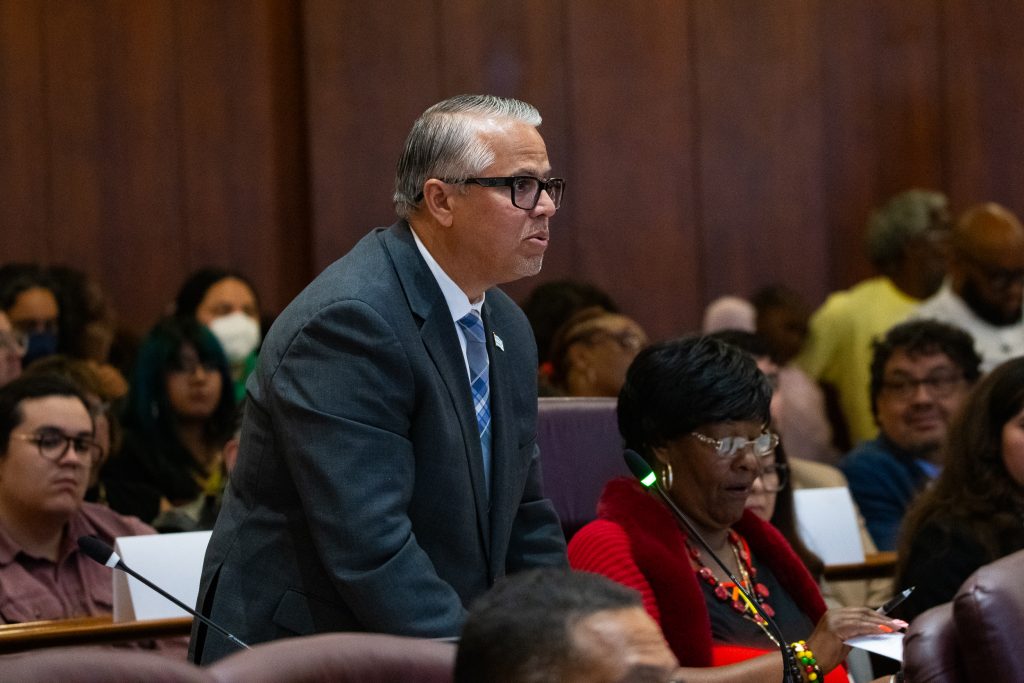
Ald. Gil Villegas (36th Ward) was pushing to alter the One Fair Wage by pausing increases to tipped workers. He said he’s prepared to keep debating the issue.
Alders blocked a vote on a proposal to remove Chicago police officers with connections to extremist groups
Alders Michael Rodriguez (22nd Ward) and Matt Martin (47th Ward) moved to block a vote on the proposed substitute ordinance that would allow CPD to remove officers connected to far-right extremist groups, such as the Proud Boys and Oathkeepers, until the council’s next meeting in May.
In a follow-up conversation with The TRiiBE, Martin said he and Rodriguez blocked the vote because he’d heard there would be an attempt to send the proposal back to the workforce development committee to delay a vote.
“We’re ensuring that we are empowering COPA (the Civilian Office of Police Accountability) and OPSA (Office of Public Safety Administration) to investigate allegations of potential wrongdoing,” Martin said.
Under the ordinance, no CPD officer can actively participate in any extremist activity. Active participation includes: fundraising for, or making personal contributions through donations of any kind; distributing promotional materials; and displaying words or symbols in support of extremist activities or in support of groups or organizations that support extremist activities, such as flags, tattoos, bumper stickers, and more.
The genesis of the ordinance stems from 2021’s Jan. 6 insurrection at the Capitol in Washington, D.C. In 2023, the Community Commission for Public Safety and Accountability CCPSA proposed an amendment to the police department’s policy, expanding the prohibition of CPD officers from joining “criminal organizations” to include groups that practice or support terrorism and groups that practice or support illegal discrimination and prejudice. The amended policy went into effect in January 2024.
The conversation picked up steam following the 2024 election of former President Donald J. Trump. During his campaign, Trump vowed to give full immunity from prosecution to police officers.
In 2024, community organizers and some members of Chicago’s Black Press urged Johnson and the police department to fire officers connected to far-right extremist groups after some officers were found to have ties to groups like the Oath Keepers. At the time, Community Commission for Public Safety and Accountability (CCPSA) President Anthony Driver said removing those already-named officers from CPD will be an impossible task, The TRiiBE reported.
Initially, Martin’s proposal included all city employees; he altered that after discussions with the city’s law department.
Martin added that the proposal has the support of the Chicago Police Department. In an emailed statement to The TRiiBE, CPD affirmed its support.
“The Chicago Police Department is supportive of this measure and believes every City employee should be held to the same standards outlined in this proposed ordinance,” according to the statement.
Martin said he’s looking forward to the full council’s consideration of the proposed ordinance at next month’s meeting.
The Mayor was asked about his support for the proposal. Johnson told reporters that now is the time to address the issue.
“Well, look, I think between myself and Supt. [Larry] Snelling, we want the best people that the city of Chicago has to offer serving as first responders, and let me be very clear, extremism should not exist in any space,” he said. “This is especially important because of the long history of policing in this city. At a time when we are still paying for the sentence of those who come to us with abusive behavior that has cost the city hundreds of millions of dollars over the course of decades. It’s important that we have community constitutional policies and individuals who are committed to not just wearing a badge, but to do so with honor.”
New department appointment and City Council committee shakeups
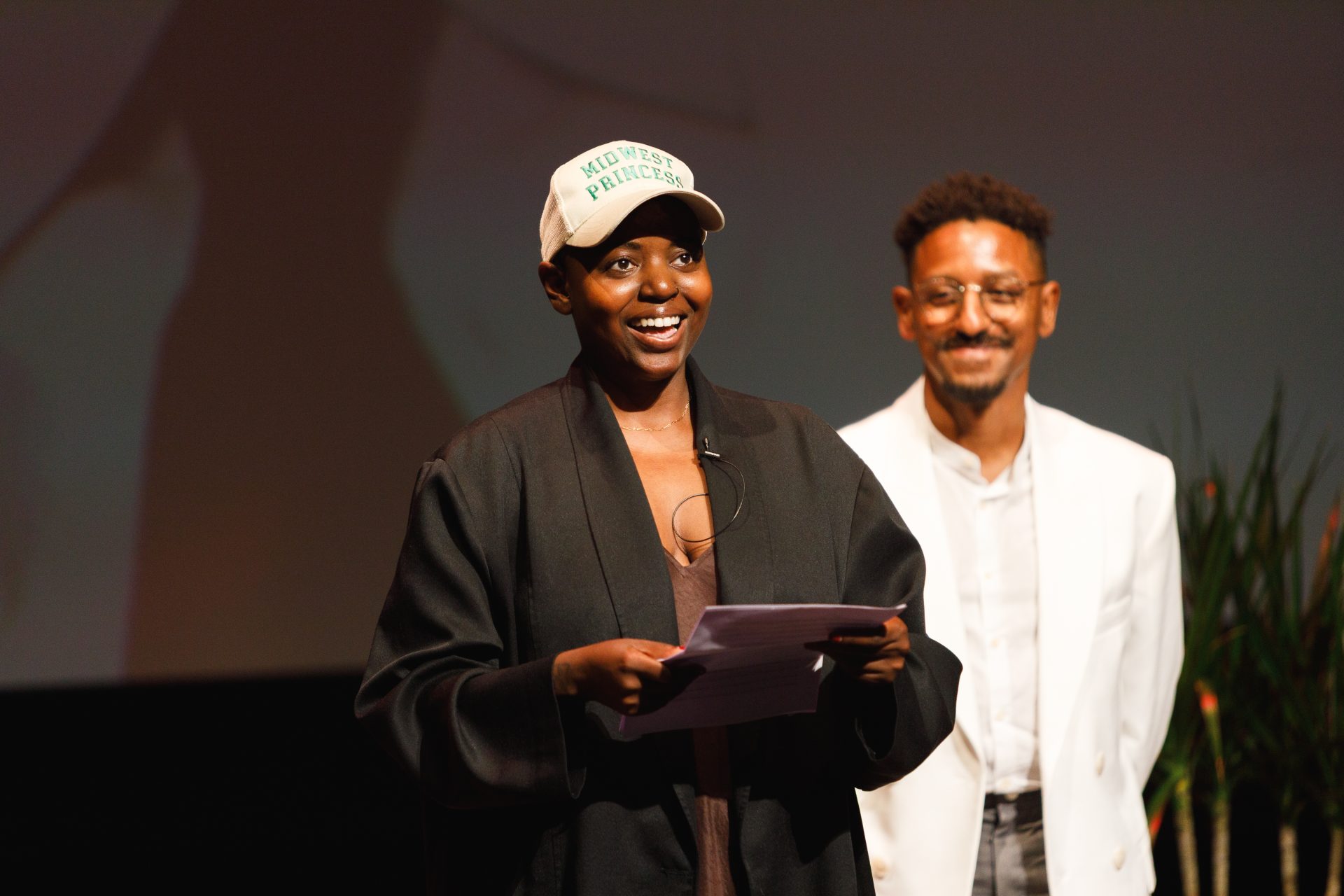
Kenya Merritt was nominated by Johnson to lead DCASE. During today’s meeting, alders voted to confirm her for the role. Merrit was previously the deputy mayor of Business, Economic, and Neighborhood Development.
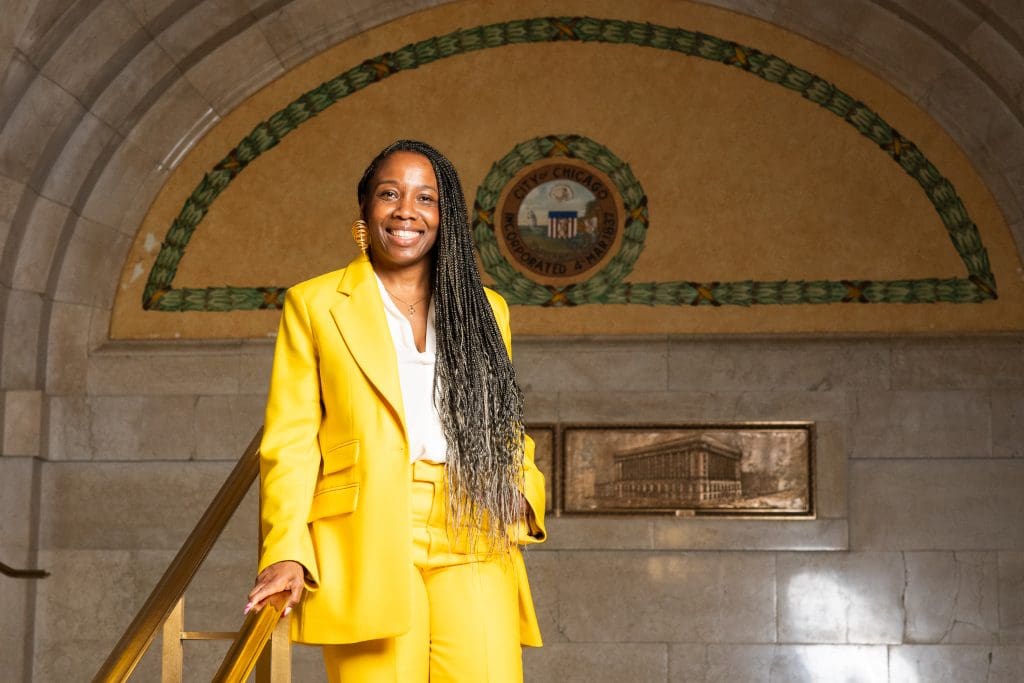
“I am deeply grateful for my confirmation as Commissioner of the Department of Cultural Affairs and Special Events and for the opportunity to continue serving the great city of Chicago,” Merritt said in a press statement. “Chicago’s arts and cultural community is unmatched, and I am committed to advancing bold investments, expanding equitable access and strengthening our creative economy. Together, we will build a more connected and thriving cultural ecosystem; one that reflects the diversity, innovation and global influence of our city.”
Ald. Gil Villegas is the new chair of the council’s Zoning committee, which became vacant after Ald. Walter Burnett Jr. resigned from the City Council in 2025. Burnett, Jr. was also Johnson’s vice mayor. The final vote on Villegas’ appointment was 26-20. Ald. Bennett Lawson (44th Ward) is the zoning committee’s vice chair.
Part of the committee reorganization package included moving Ald. Derrick Curtis (18th Ward) to lead the Committee on Economic, Capital and Technology Development, which Villegas previously chaired. Ald. Ronnie Mosley (21st Ward) was tapped as co-chair of the committee.
“I want to thank my colleagues for having the confidence to support me for this position,” Villegas said following the vote.
He also praised Lawson’s work as interim chair of the zoning committee. “I look forward to working with him to make sure that we’re putting forward policies that help developers get things built quickly, so we can realize the much-needed property tax revenue in order to fund government services.”