

The People is our section for opinions and perspectives. Submit your opinion to info@thetriibe.com.
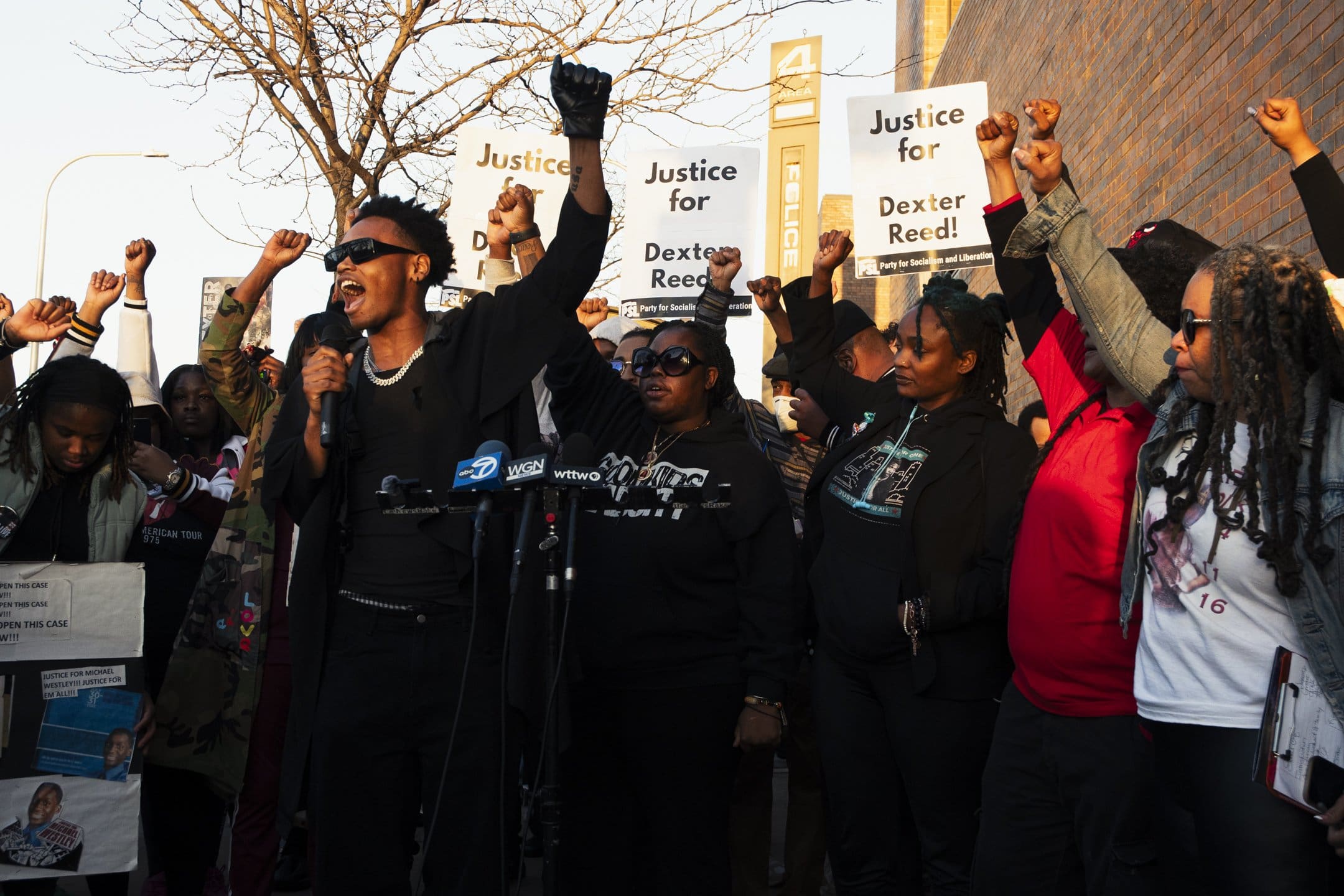
Two years ago, Chicagoans watched yet another devastating video of a police encounter ending in death. Dexter Reed, a 26-year-old Black man, was killed during a traffic stop by Chicago police officers in the Humboldt Park neighborhood. The stop apparently began over a seatbelt violation and escalated into a barrage of gunfire that left Reed dead and a community traumatized.
March 21 marked the two-year anniversary of Dexter Reed’s death. In that time, Chicago’s leadership and advocates have engaged in countless conversations with impacted communities about police accountability, racial justice, and the urgent need to change how traffic stops are conducted. Still, two uncomfortable realities remain: one, the standardized practice of pretextual traffic stops contributed to Mr. Reed’s death; two, pretextual stops are still rampant across Chicago.
Pretextual traffic stops occur when police use minor traffic or equipment violations as the pre-text to stop drivers and investigate them for something unrelated. In practice, pretextual stops are one of the most common gateways for racially inequitable policing in Chicago.
Impact for Equity has released reports analyzing Chicago Police Department (CPD) traffic stop data. They have consistently found that Black and Latine drivers in Chicago are stopped, searched and subjected to violence at rates far higher than white drivers often for minor infractions, such as a broken taillight, broken headlight, or expired registration. These discriminatory and unconstitutional tactics have led to countless lawsuits. These stops rarely reveal criminal activity.
Since Mr. Reed’s death, change has come at a sloth’s pace. Superintendent Larry Snelling pledged to reduce the number of traffic stops conducted by the Chicago Police Department, but Black and Latine drivers are still inequitably stopped for minor violations. Since July 2024, the city’s consent decree stakeholders have negotiated how traffic stop stipulations should be included in the consent decree. Still, no meaningful reform has passed.
While we wait, the harm continues.
In January, Chicago officials confirmed that officers violated the rights of a Black driver during a downtown traffic stop last year. Police made a U-turn to pull him over, gave an untrue reason for the stop, then ordered him out of his car, handcuffed him, and searched his vehicle. Investigators later found there was no legal basis for the stop or the search. This is not an isolated incident but part of a documented pattern of pretextual stops that continue to subject Black Chicagoans to unconstitutional, traumatic encounters.
Cities across the country are reforming traffic enforcement and Chicago is lagging behind.
The Free2Move Coalition has worked with community leaders, researchers, and impacted residents to advance solutions that curb pretextual stops and create a more equitable approach to traffic safety. The Coalition recommends three clear actions Chicago should take to protect the lives and wellbeing of its residents from unnecessary trauma and loss.
First, the city should prohibit pretextual traffic stops. This sensible move would shift policing strategies away from ineffective and costly tactics to proven strategies that actually make communities safer.
Second, the city must end stops for low-level traffic violations, such as a broken taillight or recently expired registration, violations that rarely improve public safety but frequently lead to unnecessary police encounters.
Third, the city must require police officers to have a reason to think a crime may be happening before they ask to search a car. This would stop officers from searching just to see what they can find, which unfairly targets Black and Latine drivers and often leads to violence.
Together, these reforms would reduce unnecessary police encounters and allow the city to focus enforcement on behaviors that actually make our streets safer.
Mayor Brandon Johnson has the authority and the responsibility to take a clear stand on pretextual traffic stops. He can guide the city in negotiations with consent decree stakeholders, the Office of the Attorney General, the Community Commission for Public Safety and Accountability and the Independent Monitor Team to end the ineffective practice, which strips Black and Latine communities of dignity and safety.
Dexter Reed mattered. Chicago has the power to protect the lives of thousands like him.
Respectfully,
Olatunji Oboi Reed, President & CEO, Equiticity
Lisa Sharon Harper, Community Renewal Society