



Business owners in Chicago’s hemp industry are demanding that Mayor Brandon Johnson veto a controversial hemp ordinance that industry stakeholders describe as a harmful and destructive ban reminiscent of the 1920s alcohol prohibition era. They argue the ordinance pushes out Black people who have found success in the hemp market.
The ordinance, which passed 32-16 in City Council last month, limits the sale of most hemp products to only licensed cannabis dispensaries beginning in April. Meaning, business owners in the hemp space will be forced to stop operations if they don’t have a license to sell marijuana.
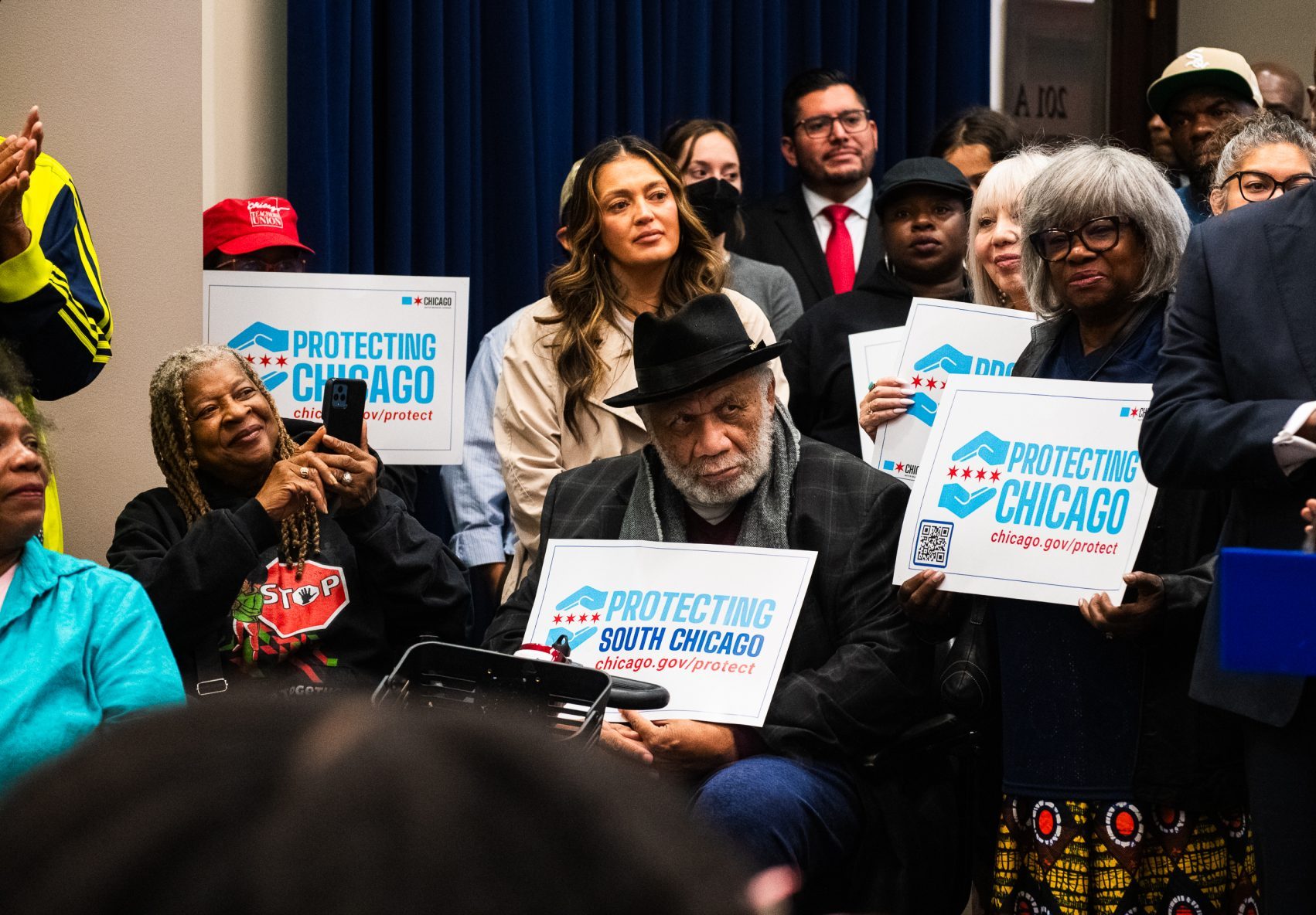
The hemp community is gathering for The Band Together Town Hall this Thursday. The town hall will be hosted at Chi’Tiva, located at 1250 S. Michigan Ave., from 6:00 p.m. to 8:00 p.m. During the event, hemp business owners, stakeholders and the public are invited to voice their concerns about the ordinance and encourage Johnson to veto it.

Groups and advocates in the hemp industry, including Chi-tiva, Lawrence Smoke and Vape, Humboldt Haus, Illinois Healthy Alternatives Association, the Illinois Hemp Business Association, the Illinois Black Hemp Association and more, will attend the town hall. Those interested in attending can RSVP here.
“The town hall was established because a lot of the business owners in the hemp space just felt as though they were being attacked,” Illinois Hemp Coalition (IHC) President Everett Berry told The TRiiBE. He also owns the hemp wholesale business Mia’s Heart Hemp Life. “Basically, the goal is to negotiate physical regulations, while establishing responsible packaging guidelines in the Chicago hemp industry.”
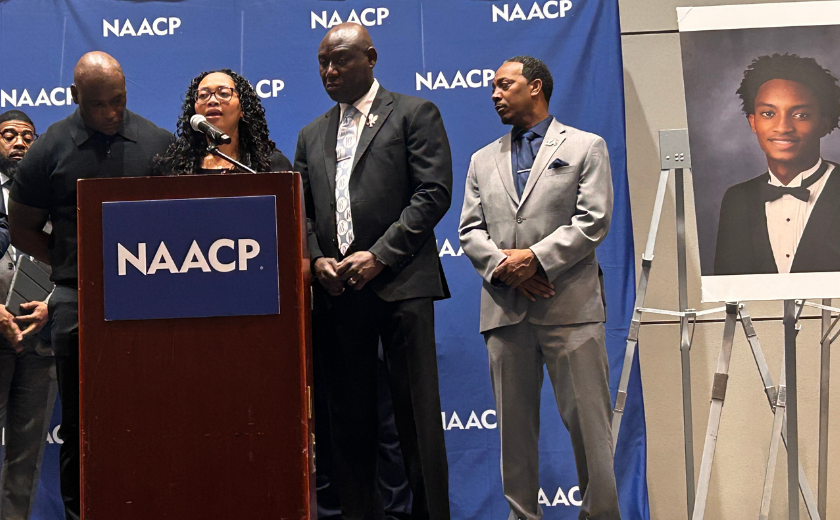
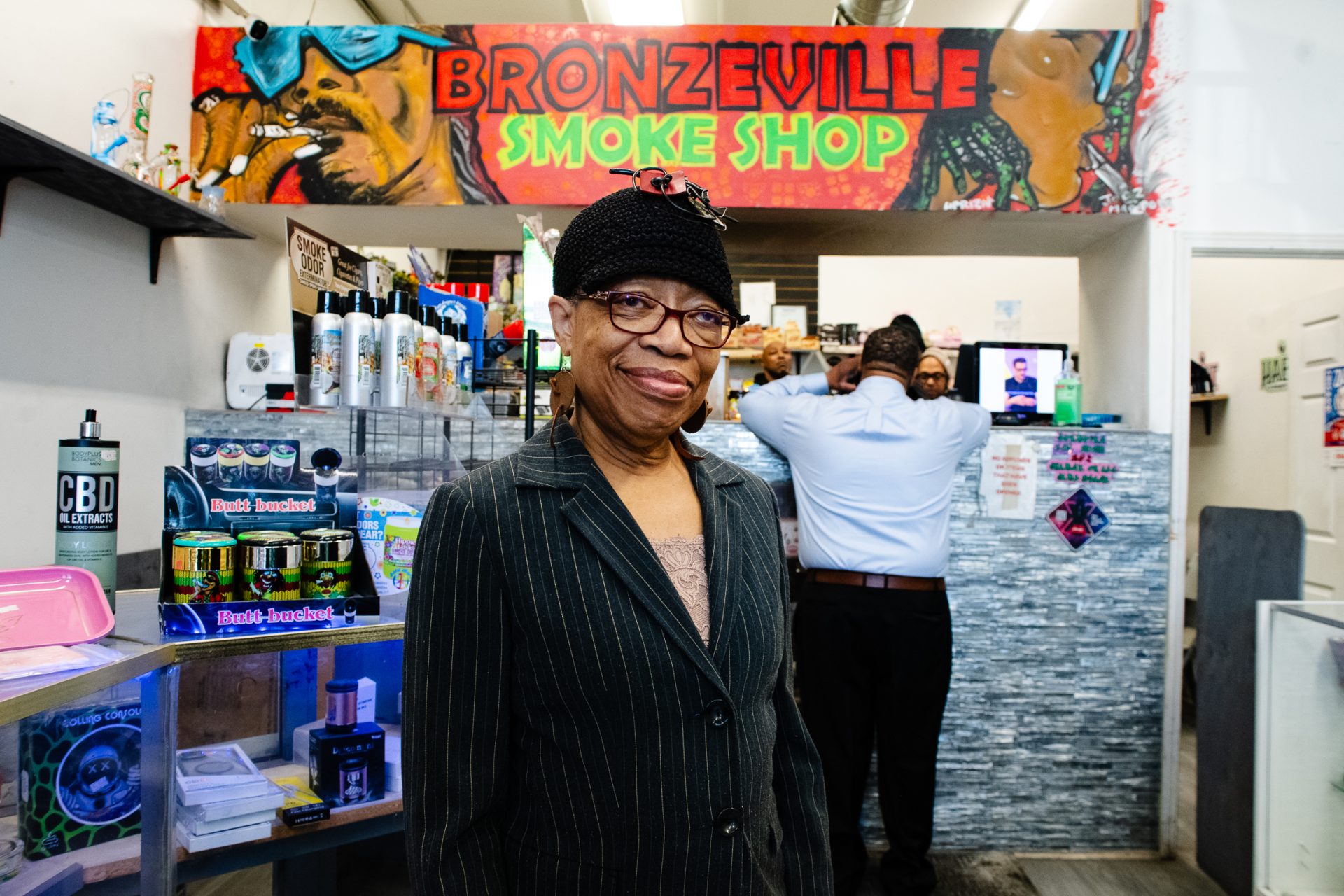
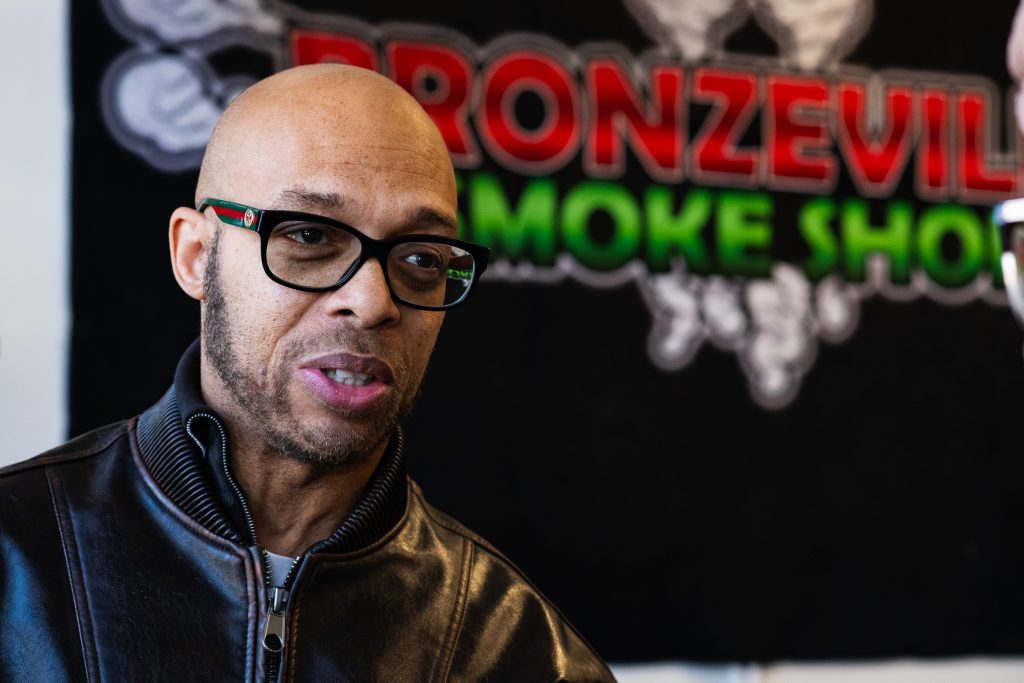
Ahead of the town hall event, IHC, which focuses on hemp oversight, hosted a press conference on Wednesday at the Black-owned Bronzeville Smoke Shop. Hemp business owners spoke out against the ordinance, which they have referred to as a “prohibition” and a “ban.”
“This ban doesn’t just remove products from my shelves. It removes trusted support from elderly members of our community and threatens small businesses like mine,” Joyce LaGone, the owner of Bronzeville Smoke Shop, said during the press conference. “We are not asking for special treatment; we are asking for fair regulation and thoughtful solutions, not a blanket ban that harms responsible entrepreneurs and the people who rely on us.”
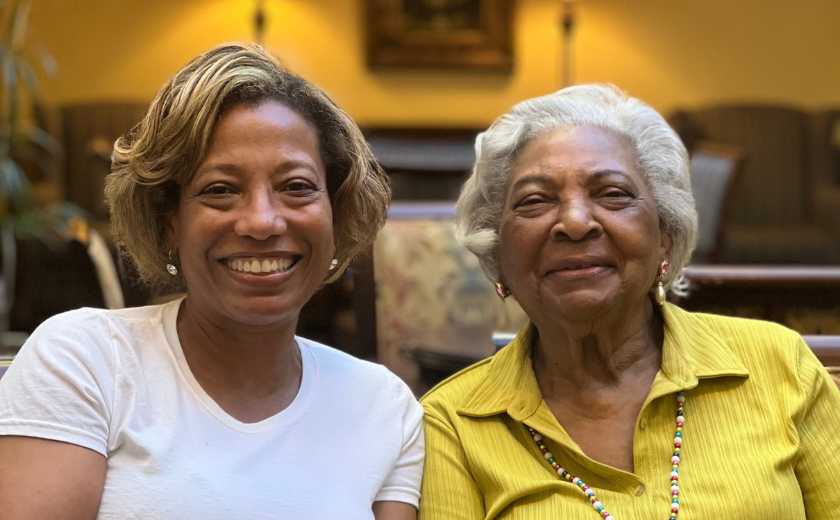
LaGrone operates the Bronzeville Smoke Shop with her son, Destiny Butler. The two said they opened the shop in 2022 after witnessing the beneficial wellness powers of hemp. Butler said a large part of their clientele is elderly customers who come in for products to ease their pains.
“[There’s] fentanyl, and you have all these Percocets, people don’t want to take these addictive pain pills,” Butler said. “Hemp helps everybody with back aches, insomnia [if they] can’t sleep. You know what I mean? Just different things. And it’s a big pharmaceutical.”
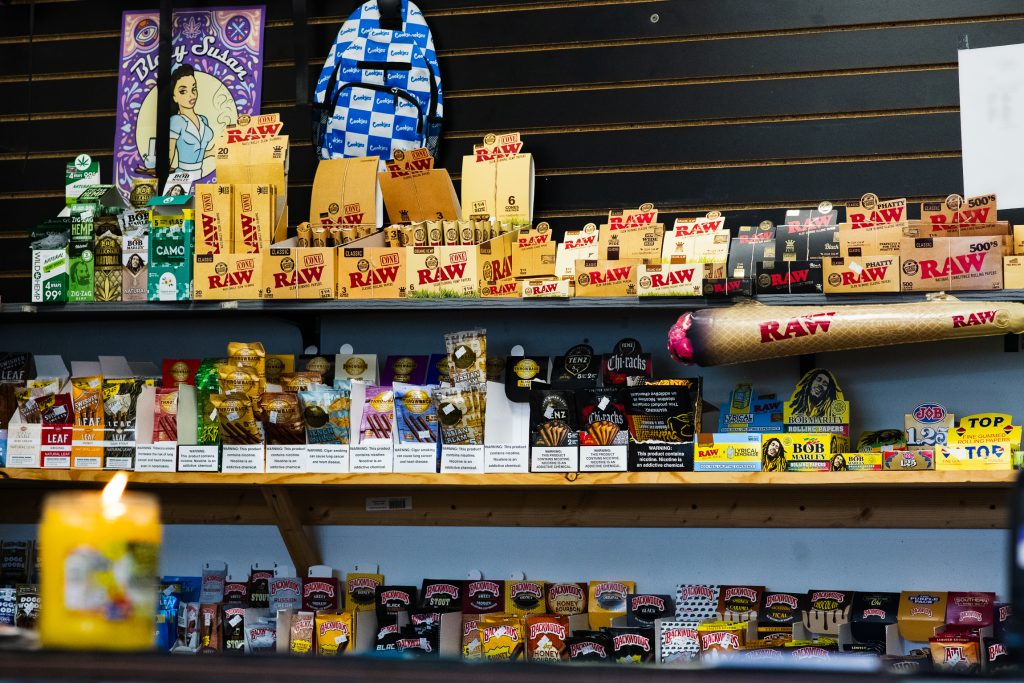
Ald. Marty Quinn (13th Ward) introduced the ordinance to address his concerns with hemp-derived CBD products that can be used to form delta-8 and other intoxicating compounds that give a weed-like high. The products have been called out by critics for their packaging, which some elected officials have said mimics candy and sweets sold in corner stores, gas stations and the like. Alderpeople who voted in favor of the ordinance say hemp products with such enticing packaging target children.
Those in the hemp space say the ordinance creates a ban that would lead to a black market. Business owners say they understand protecting children from harmful products, but that the answer is to regulate the product, which they say they have already been doing.
“We want responsible, transparent and fair regulation. And there’s businesses that are already doing it right,” said Raven Worthy-Sutton, IHC’s executive director and owner of Urban Gem, which provides adult pop-up dinner experiences using hemp. “There are businesses in the hemp space that are already acting and operating ethically, because that’s what we have to do in this space. There’s businesses just making sure you’re 21 or 25 years plus.”
Many within the industry are convinced that the move to limit the sale of hemp products to only licensed dispensaries is to protect the cannabis industry. The ordinance allows businesses that have a liquor license to sell hemp-based drinks, which those in the hemp business see as a push by the power-wielding alcohol industry. Shortly after the ordinance passed in City Council, the United Center made news as the first arena in the country to offer THC-infused drinks starting this month.
“I would need a liquor license to be able to sell hemp drinks at my store, which is going to cost another however much money if I want to do that, but why would I want to do that? I have a wellness store. I have a wellness brand,” said Ruby Mirza, owner of Kizmah CBD in West Town. “It’s really kind of geared towards just capitalizing and cornering the market and handing it over to big cannabis with big alcohol interests.”
Berry also agreed that the ordinance corners the market while pushing out Black people who have found success in the hemp space.
“A lot of people were shut out of the cannabis industry they wanted to be a part of, so they transitioned over to hemp because it was federally legal. This [ordinance] was a way to monopolize the cannabis industry,” Berry said.
Hemp business owners have also been called out by Black weed dispensary owners; they say unregulated and intoxicating hemp is undercutting their businesses. These Black business owners have expressed frustration after going through the social equity process to retrieve a cannabis license to open and operate their dispensaries, which they explained took lots of money and time.
Chris Cobbs, owner of King of the Flavors smoke shop in Rogers Park, said he feels that Black-owned cannabis shop owners should be fighting for a more level playing field within the marijuana space.
“It’s, like, alright, so you guys want to put us out of business and block us out of business just because you guys were the lucky ones that got picked or fortunate enough to afford the license?” Cobbs said. “I just think you guys are fighting the wrong fight. You guys should go after the people that are taxing you, regulating and paying all these hundreds of thousands of dollars to stay in business.”
Johnson has until Friday to veto the ordinance, according to the mayor’s office.