


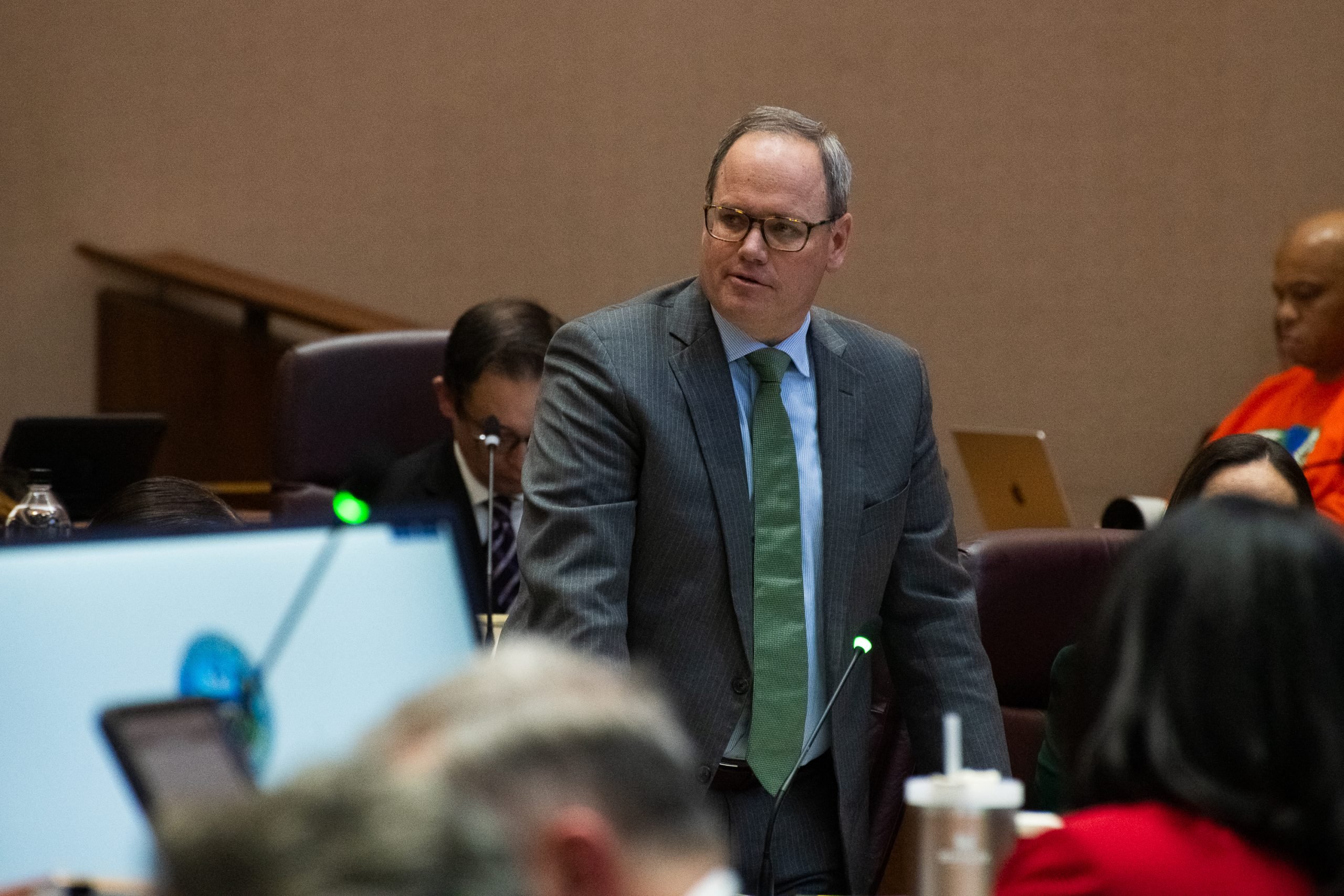
The City Council voted Wednesday to pass a controversial ordinance that limits the sale of hemp products in Chicago to businesses with a cannabis license. The ordinance includes a carveout for beverages, animal products like pet treats and topical products like lotions and creams.
The ordinance will go into effect on April 1, but starting immediately, anyone purchasing hemp products within the city limits has to be 21 or older.
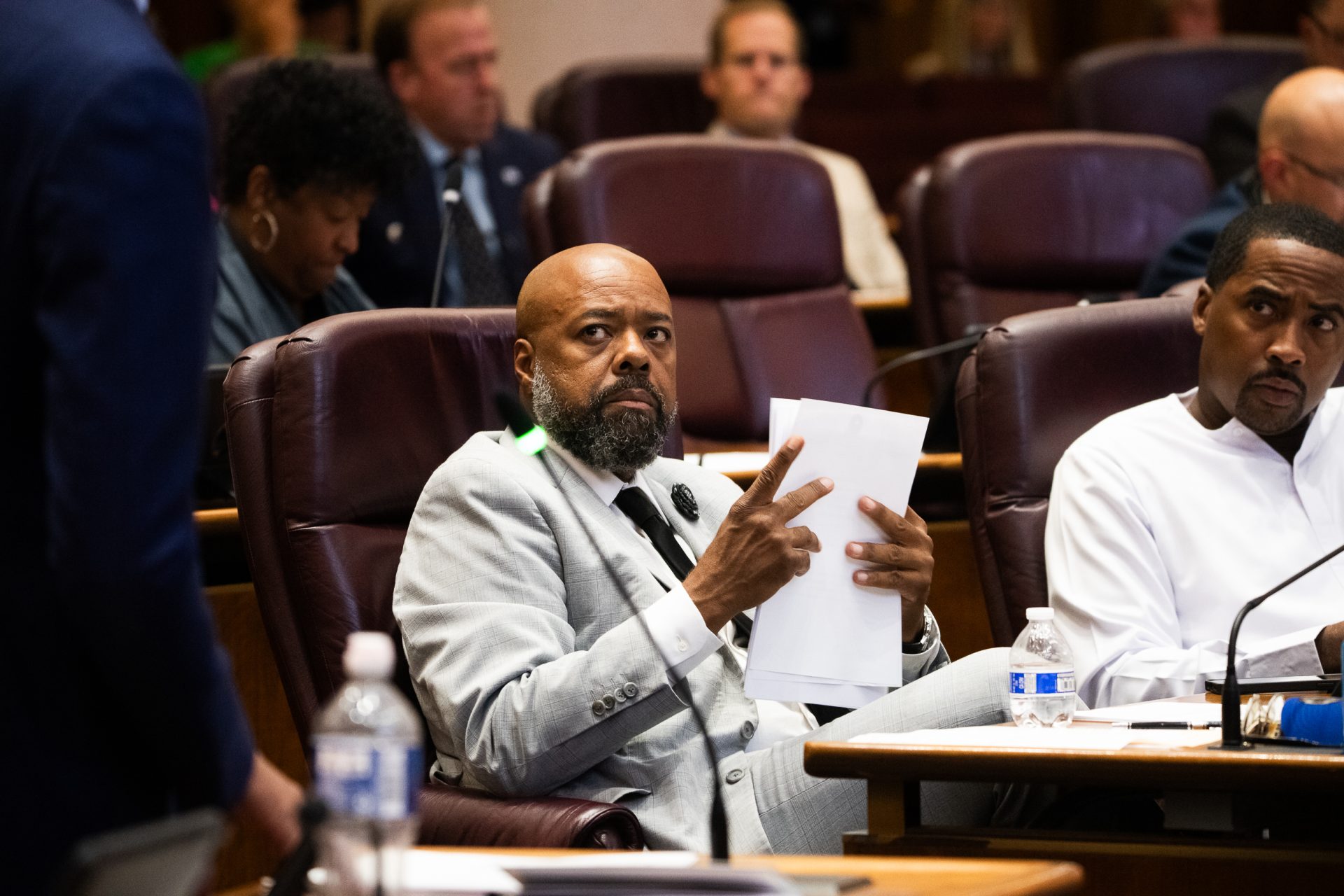
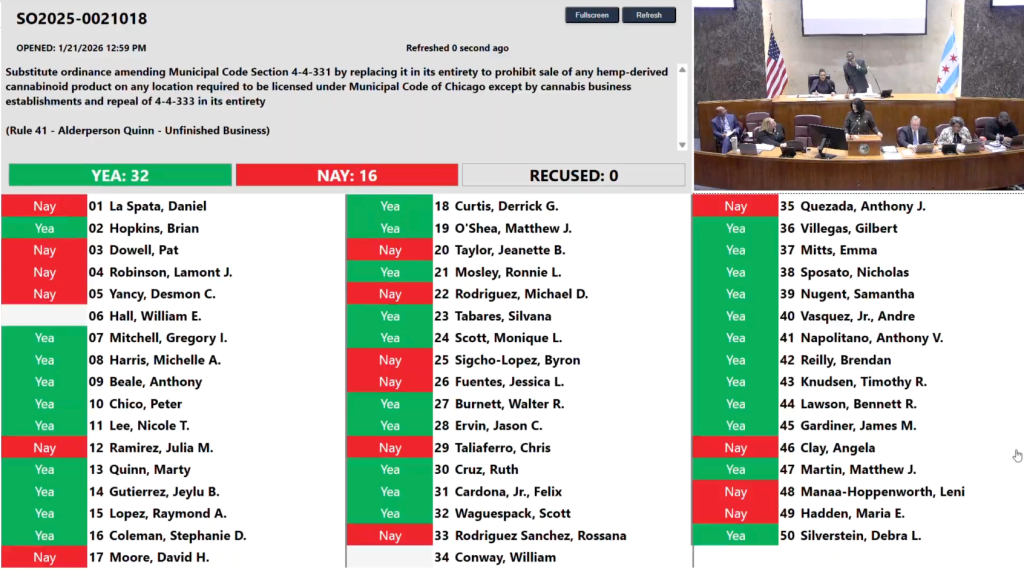
The proposal, which was introduced by Ald. Marty Quinn (13th Ward), initially passed through the City Council Committee of License and Consumer Protection on Dec. 3. Tuesday’s vote was 32-16 in favor of the ordinance.
The hemp-derived CBD products that are the topic of concern are sometimes used to form delta-8 and other intoxicating compounds that give a weed-like high. The products have been called out for their packaging, which has been said to mimic candy and sweets, targeting children and sold in places like corner stores and gas stations.
Those who voted in favor of the hemp ordinance, such as Ald. Anthony Beale (9th Ward) stressed the importance of preventing kids from consuming such products.
“This has been a hot topic within the city of Chicago, to make sure that we protect children, and that’s what this is often all about,” Beale said on the matter. “From the very beginning, protecting our children and keeping them out of harm’s way.”
Ald. Maria Hadden (49th Ward) opposed the measure, calling it a great attempt to address concerns with hemp, but adding that the ordinance shuts out those who have found success in the hemp industry. Hadden is a progressive caucus member.
“So from small events companies to little coffee shops to specialty spaces, there are businesses in Chicago that self-regulate, that sell to 21 and over, that are good actors,” Hadden said. “I’m afraid that this version of the ordinance is going to harm them right now, while trying to do some good.”
The proposal was originally scheduled to go up for a vote back in December, but the council was in the middle of the fight to pass the 2026 budget.
Hemp products were also at the center of debate in early 2025 as Gov. JB Pritzker proposed a bill that would have limited the sale of hemp products to licensed cannabis dispensaries in Illinois. Some Black business owners in the space pushed back against the proposal, calling it too broad and a threat to local businesses that were pushed out of the legal weed business due to the tedious licensing process and costs, which caused barriers to entry.
“When Illinois first started working on the plan to legalize cannabis, the whole goal was to include minorities, and they didn’t. Then we pivoted towards the hemp space, and they still trying to force us out,” Jason Knight, the founder of Jane and Mary’s, a CBD-infused ice cream and sorbet business, told The TRiiBE last month ahead of today’s hemp vote.
“If they did ban it, it would be devastating to just a huge portion of the local economics. Small businesses already have a hard time in America,” Knight said. “And so one of the areas that people are doing well in, and people are pretty comfortable in, is the hemp space.”
Meesha Pike is the owner of Cannabis Prairie, a Black-owned dispensary that opened its doors in the South Loop last April. Pike, like other Black people in the cannabis industry, has been vocal against businesses that sell intoxicating hemp products, which they say have been undercutting those in the social equity weed business.
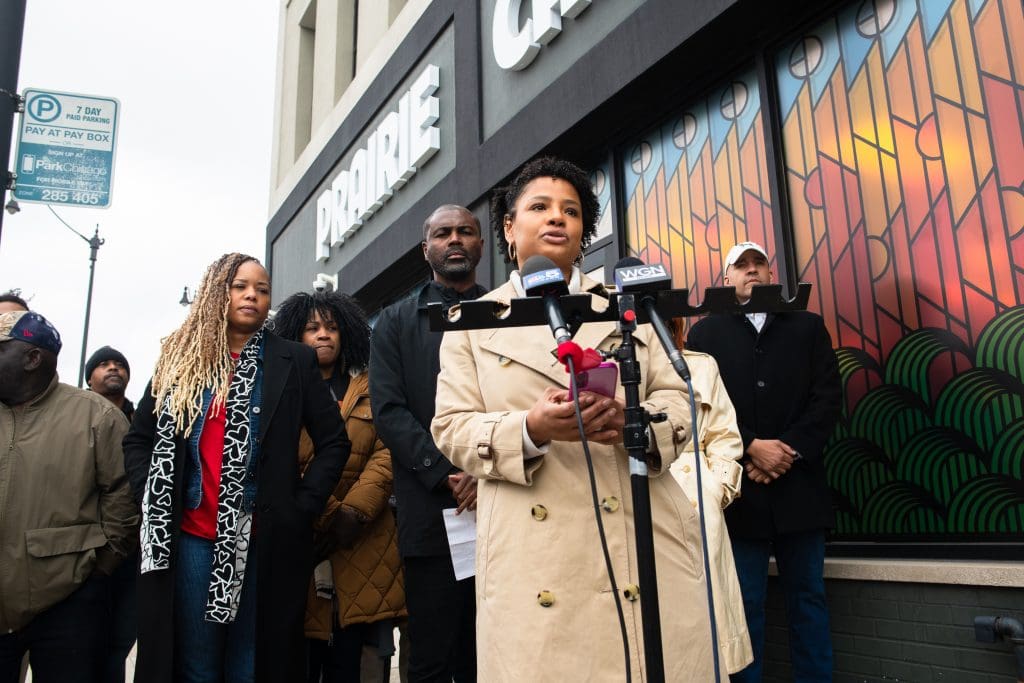
Pike spoke to The TRiiBE back in December and said though a citywide ban would help boost her business, she also supports regulation in the hemp space.
“The way that it’s being sold is not regulated, so you really don’t know what you’re getting. It’s not the healthiest thing, and it’s not secure,” Pike said. “Whereas they don’t have the security measures that we have in our dispensaries, their overhead is a lot less because they don’t have to build out the way we do. They’re essentially selling unregulated marijuana.”
In his original budget proposal, Mayor Brandon Johnson looked to generate $10 million in city revenue with a hemp tax, but he backed down from the proposal as a federal ban is set to go into effect this year.
Ald. William Hall (6th Ward), an ally to Johnson and once an opponent of a citywide hemp ban, changed his position and was a co-sponsor of Quinn’s proposal. As city efforts to regulate the product had stalled, Hall used the federal ban of the product as his reason behind his support of the citywide ban, Block Club Chicago reported. Hall said his position was “always tough regulation and protecting kids.”
Hall was not in council chambers Tuesday during vote on the ordinance.