The Chicago Torture Justice Memorials Foundation will build on the land located at 5520-38 S. Martin Luther King Drive. The four city-owned lots, which are valued at $234,481, will be sold for $1 each, according to a written release from the Mayor’s Office.
Once complete, it will be the first reparations monument of its kind in the US that will memorialize survivors and victims of police torture. This land transfer comes more than a decade after the passage of the city’s reparations ordinance.
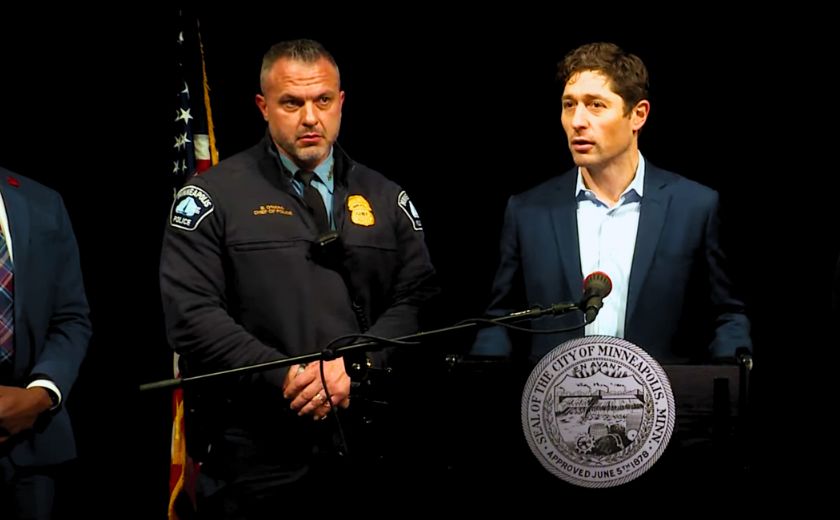
“The first step to healing from injustice is accountability, the second step is remembrance,” Johnson said in a press statement. “The Chicago Torture Justice Memorial will be a testament to healing as the City of Chicago acknowledges the harm which still reverberates through our communities, while committing to doing better. This will be a powerful way for survivors to tell their stories, be seen, and heal. I’m grateful to the City Council for working with us to get this done and deliver justice for the victims after so many years.”
The reparations ordinance was approved by the Chicago City Council in 2015. It included $5.5 million in monetary compensation to be paid out to victims, the creation of the Chicago Torture Justice Center, an apology from the mayor and Chicago City Council, free college education at Chicago City Colleges for survivors and their families, a history curriculum for Chicago Public School students in the 8th and 10th grades and the creation of a public memorial for Jon Burge torture survivors. Burge was a commander with the Chicago Police Department (CPD).
In 2023, the Johnson administration announced $ 1.8 million in funding from the Mellon Foundation for the Chicago Torture Justice Memorial. The project is expected to cost $4.7 million.
The CTJM selected a design for the memorial in 2019, created by Chicago artists Patricia Nguyen and architectural designer John Lee. Their design, titled “Breath, Form & Freedom,” is a 1,600-square-feet winding hallway that is 12 feet high and features the names and dates of victims tortured by Burge and his Midnight Crew. JAQ Corp and Greenprint Partners will lead the development.
The site of the Chicago Torture Justice Memorial is in the 20th Ward which covers parts of Woodlawn, Washington Park, Englewood, Back of the Yards and New City.