



Sam Bailey is happy to be home. In 2017, she took the leap from Chicago’s indie arts scene to Los Angeles, where she rubbed shoulders with Hollywood execs, directed episodes of hit TV shows and learned the inner workings of the film and TV industries. Her hard work paid off: check the credits of Freeform’s “Grown-ish,” Netflix’s “Dear White People,” Showtime’s “The Chi” and now Marvel’s “Ironheart,” and you’ll find Bailey’s name listed as the director.
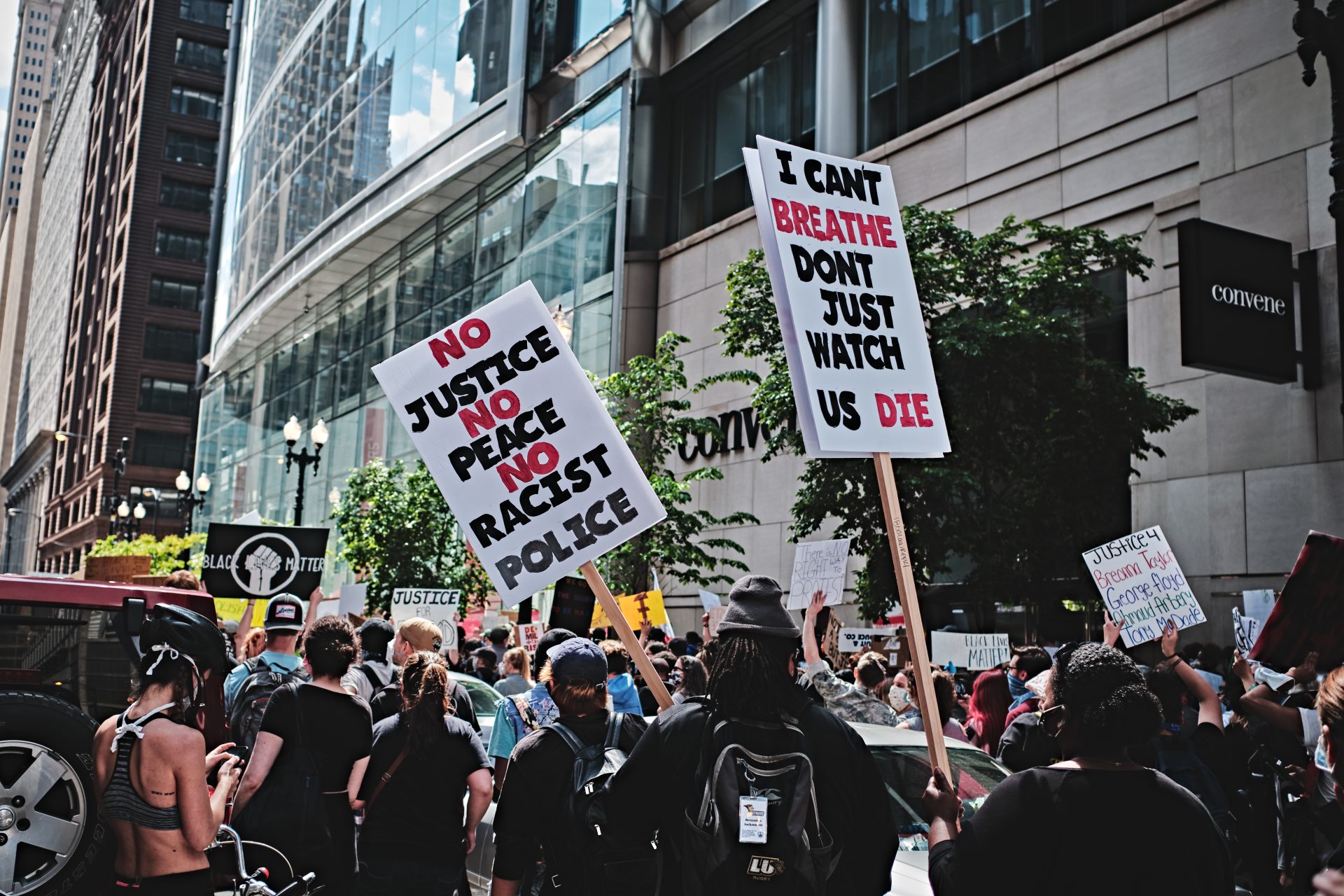
After living in L.A. for eight years, Bailey, now 36, has moved back to Chicago’s Logan Square, her childhood neighborhood. While settling back into Chicago this fall has been fulfilling for her, it’s also been a whirlwind. Bailey’s father passed away a few weeks ago, and President Donald Trump’s militarized immigration agents have tear-gassed communities throughout the city, including her own. She doesn’t live too far away from the Rico Fresh grocery store where agents threw tear gas at people on the busy street last month.
“It’s been a crazy time to be back in the neighborhood that I grew up in while we’re being occupied by a fascist regime, while dealing with the grief of my father, while feeling still the afterglow of ‘Ironheart,’” Bailey told The TRiiBE. “But I will say, there’s no other place I’d rather be. I knew that, especially when [Trump] got elected, I was like, I need to get back to Chicago.”
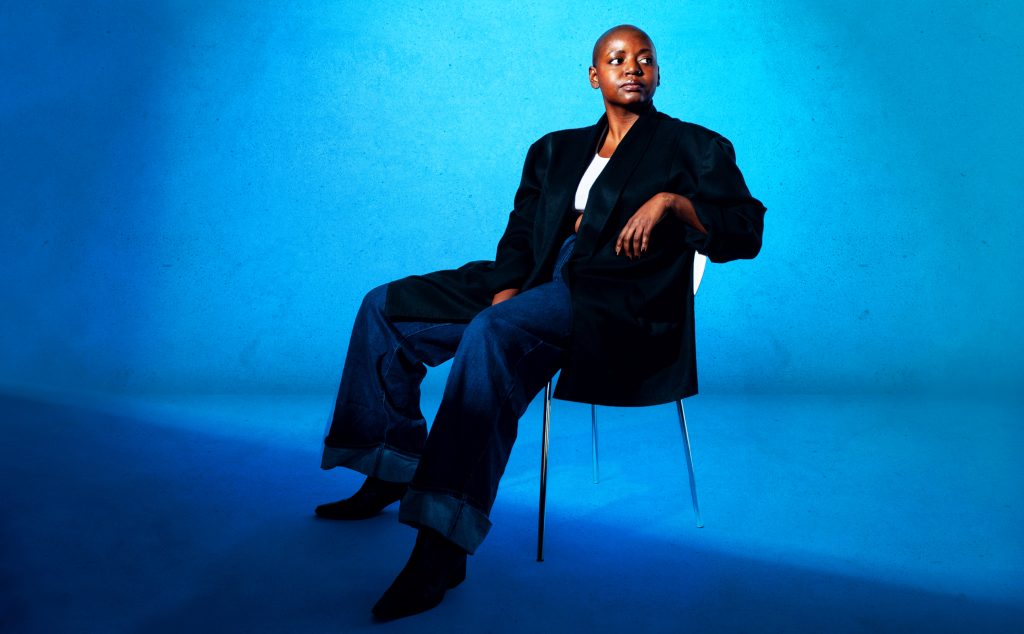
Though Chicago and L.A. are separated by 2,000 some-odd miles, it was the emotional, creative and cultural distance that ate at Bailey.
“I missed community. I missed the collaboration that happens. I missed the language that we have,” Bailey said about Chicago. “It could get really loud out there [in L.A.] There’s all these shiny things. They’re like, ‘oh, look over here. Look over there.’ And then all of a sudden, you might be working and making money but then time passes and you’re, like, but what kind of art have I made? What am I putting out there in the world, and is it speaking to me?”
Plain and simple, Bailey is in a different creative headspace in her life right now. “There’s grown shit that I’m interested in,” she said with a laugh.
Bailey recently stopped by The TRiiBE Studio on Chicago’s West Side to unpack her journey from turning heads in her twenties with her independent web series “You’re So Talented” (2015) and “Brown Girls” (2017) to 2025’s “Ironheart,” the latter being a full circle moment for the director considering the show is set in Chicago. The six-episode Disney+ series, released this past summer, follows young genius Riri Willams, played by Dominique Thorne, who is an Massachusetts Institute of Technology (MIT) student and inventor from the South Side of Chicago. She creates a suit of armor that rivals the one built by mastermind Tony Stark, a.k.a. Iron Man.
Bailey jumped at the chance to work on “Ironheart.” She was familiar with the Riri Williams character through Eve Ewing, the acclaimed Chicago author behind Ironheart’s solo comic debut in 2018.
“When Ironheart came, that was after ‘Brown Girls’ lost development’ and we were in the [COVID-19] pandemic,” Bailey said. The Emmy-nominated web series is what originally led Bailey to L.A. in 2017. At the time, ‘Brown Girls’ caught the eye of TV execs who invited her out to discuss development opportunities — but more on that later in this story.
“I had finished directing the final season of [Netflix’s] ‘Dear White People,’ and I was really saying no to everything. I was just like, if it doesn’t move me then I’m not going to do it. I need to focus on writing,” Bailey said, recalling the pandemic times. “And then I got a call from my agent, and they asked me if I knew what Ironheart was. The first thing I said was, the comic Eve wrote?”
Bailey learned the “Ironheart” miniseries, executive produced by Black Panther filmmaker Ryan Coogler, needed two directors and took multiple meetings with show executives. She felt aligned with the story and pitched her ideas for it. “I knew that I wanted to do the first half of the season of the series,” Bailey said.
She wanted to set the tone and aesthetic of the show by directing the first three episodes. “I was very clear about, like, this is my vision. This is what I want to do,” she explained. “If they don’t want to do it then I’m cool with moving on because I didn’t want to be caught up in something that felt so far removed from myself.”
Bailey’s vision for “Ironheart” came to life on camera. Filming at Trilith Studios just outside of Atlanta, Georgia, Bailey said only about 20% of the series, mostly the external shots, were actually filmed in Chicago. Other than that, Bailey was charged with the task of making an Atlanta-area soundstage look and feel like Chicago.
“We were holding auditions and doing callbacks and then we’re building a world, and it’s a world that doesn’t exist yet,” Bailey said. “And that was probably the most fun that I had, building out Riri’s house because that didn’t exist and it was on set that we did that.”
One of the things Bailey fought for during this world-building process was a back porch for Riri and her mom’s apartment. “It has to feel like a Chicago place,” she said, “and we got that.”
The story of Riri Williams mirrors the unshakeable spirit of Bailey herself. Much like Ironheart, Bailey faced hurdles and overcame challenges while chasing her dreams.
Today, there are still very few Black women directors working in Hollywood. Bailey came up during a time she refers to as a “renaissance,” a period in the 2010s when a surge of independent Black and brown content creators came to the forefront. The successes of Issa Rae (“Insecure”), Numa Perrier (The Perfect Find), Shaka King (Judas and the Black Messiah), Terence Nance (“Random Acts of Flyness”), and Barry Jenkins (Moonlight) made the industry seem more accessible to emerging creatives like Bailey.
In the Chicago spirit of collaboration, Bailey made projects with her friends. In 2015, Bailey debuted her web series “You’re So Talented,” in which she played a young, out of work actress named Bea navigating through the trials and tribulations of her twenties. Aside from being the creator and starring in the series, Bailey also directed and wrote the series. She was also the executive producer and casting director.
In 2017, she followed up with “Brown Girls,” a web series with a queer Pakistani-American writer and an African-American musician in the lead roles. Bailey co-produced the series with renowned Chicago poet Fatimah Asghar. Both series were released through Open Television (OTV), a Chicago-based and award-winning nonprofit media incubator and streaming platform for intersectional storytellers.
“We didn’t make ‘Brown Girls’ thinking it was going to become a TV show. It was just, like, we’re making something for the community, with our community,” Bailey said.
With the fanfare around “Brown Girls,” Bailey and Asghar signed a development deal with HBO in 2017. Bailey described the era as the post-President Barack Obama time of inclusivity, where TV and film executives sought out diverse storytelling. Think Issa Rae’s rise from “Awkward Black Girl” on Youtube to “Insecure” on HBO.
“Brown Girls,” however, never made it past development. After two years of meetings and discussions, it was clear to Bailey that their vision for “Brown Girls” just didn’t align with HBO.
“L.A. is a corporate space, and I think that I wasn’t really aware of that,” Bailey said. “I don’t think we had anyone telling us, this is how you kind of navigate that space and this is how you hold on to what you want while also collaborating with the studio.”
As the glare of the “Brown Girls” Emmy nomination wore off, Bailey took on new opportunities that came her way while in Hollywood. She directed three episodes of the Netflix series “Dear White People,” four episodes of Freeform’s “Grown-ish,” and an episode of Showtime’s “The Chi.” While proud of her accomplishments, Bailey admits she felt a certain emptiness. With financial stability and healthcare being a concern, there were times when she couldn’t be picky with what projects she accepted.
“I wasn’t trusting myself. I was trying to fit in a box that wasn’t mine,” Bailey said
“Ironheart” reminded Bailey of feeling aligned with her work. With that project under her belt, Bailey said she’s now at a place in her career where she doesn’t have to live in L.A. Chicago is her home, and “Ironheart” gave her the blueprint for viewing L.A. and other cities as her office.
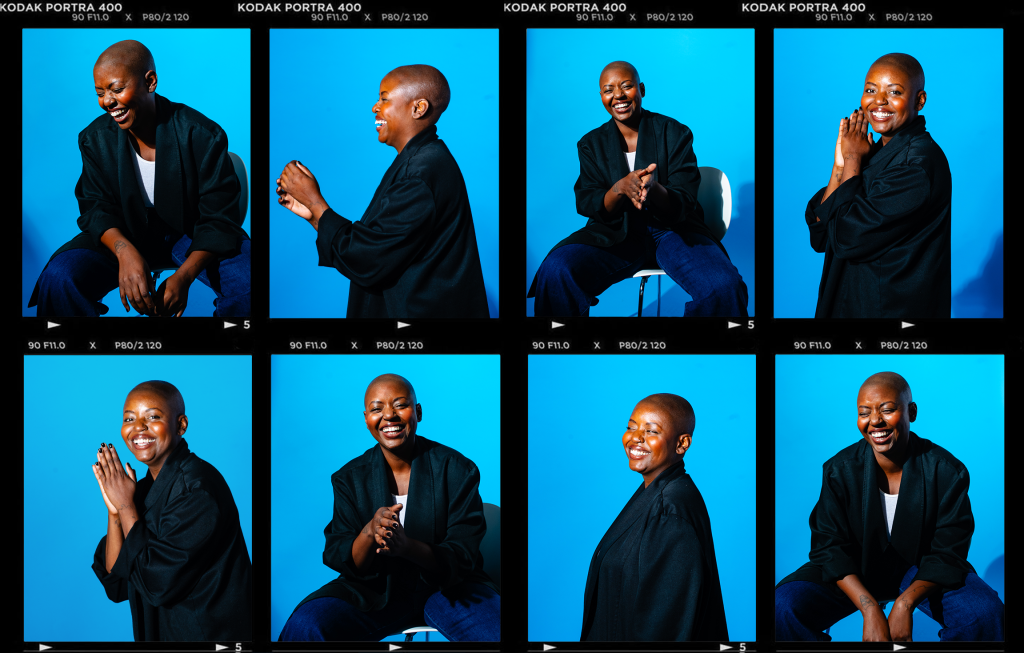
“I can go fly out to whatever city that [filming] is going to happen episodically, but then I come back here [to Chicago] and I get to write and I get to be around people and I get to have a life that doesn’t feel like it revolves around what the Hollywood Reporter is saying or what Deadline is doing or who’s moving to what agency,” Bailey said. “I was really consumed with that for a long time and I’m so happy to have distance from it.”
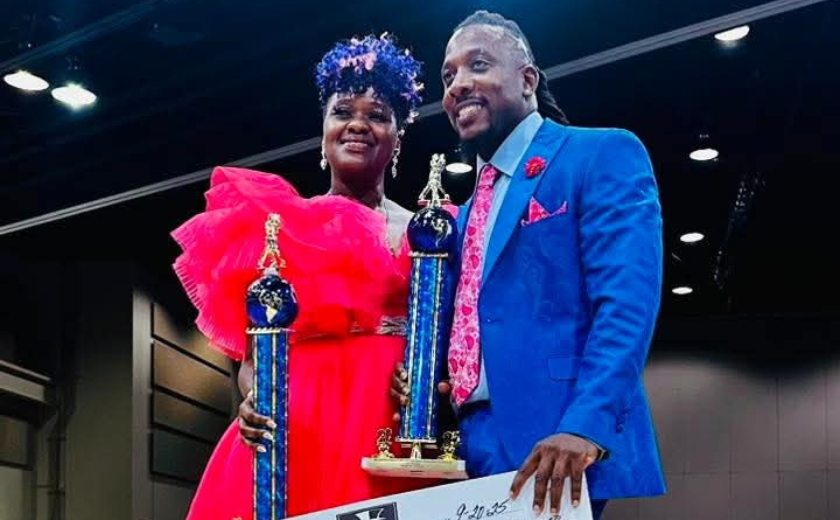
Bailey’s creative community is happy to have her home, too. In September, for its 10-year anniversary, OTV honored Bailey with its inaugural “Beyond the Screen Legacy Award.” The award recognizes individuals who have made significant contributions to culture and community through their artistic and community-focused endeavors.
Elijah McKinnon, co-founder and creative director of OTV, has witnessed Bailey’s growth as a friend and creative partner. McKinnon said honoring Bailey was not only a full-circle moment for OTV, but also proof of the endless possibilities for artists when they are resourced in the early stages of their careers and trusted to tell stories only they can tell.
“Sam represents what’s possible when talent, vision, and integrity meet opportunity. She’s proof that you can start with a scrappy web series in Chicago and end up shaping culture on a global stage — without losing your sense of self or where you came from,” McKinnon said. “For Black women and artists of color, her journey is a blueprint for ownership and audacity: build with your people, tell the truth, and don’t wait for permission.”
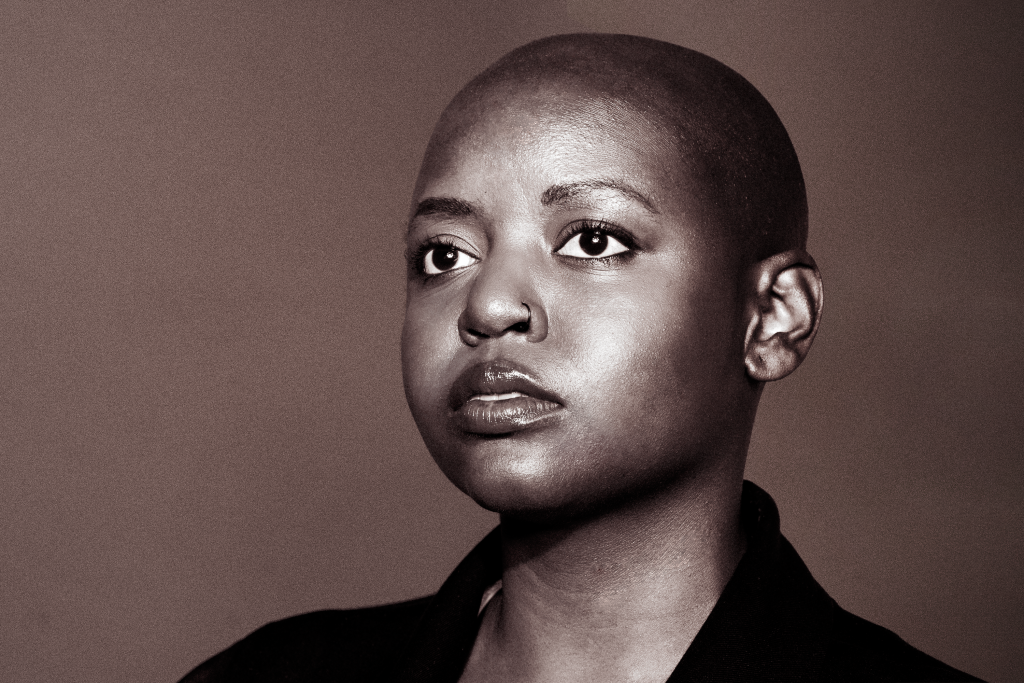
Now that Bailey’s back home, she’s masterplanning her next move. A former actress, Bailey is interested in getting back into theater, adding that Chicago is a “beautiful theater town.”
“I just want to be an artist in practice, instead of this person that’s just pitching ideas,” Bailey said. “I never pitched ideas before I went to Hollywood. I would just have an idea and do it. I’m going to get back to that.”
She also wants to get into features.
“I really want to start making films,” Bailey said with excitement. “There’s just things I want to say and ways I want to see it and I have all the tools to do it. That is, for me, what I’m really excited about doing next.”
She’s already got an idea in mind for a feature film, but she’s keeping the details under wraps for now. The most she’d share openly about the project is it’s an adaptation of a book written by a Black woman — and she’s promising a stellar cast.
“I would want that movie to be seen in movie theaters,” Bailey said. “And I would like to be able to be in conversation with people afterwards. Like, my whole thing is I’d love to go see a feature and go get a drink afterwards and argue about what your point of view was.”
There’s a growing sentiment that cinema is dying. Bailey doesn’t believe that. She sees the hunger for films that reflect culture and touch the soul of every viewer. We saw that hunger satisfied with the successful and creative rollout of Ryan Coogler’s Sinners this past summer. Fans bragged about seeing the film multiple times, even traveling to different cities to see Sinners in its IMAX 70mm and Ultra Panavision 70 formats.
“I hope that we’re back in our renaissance,” Bailey said. “Maybe, like a year or two years from now, there’ll be a lot more movies coming out from creators who look like us.”