



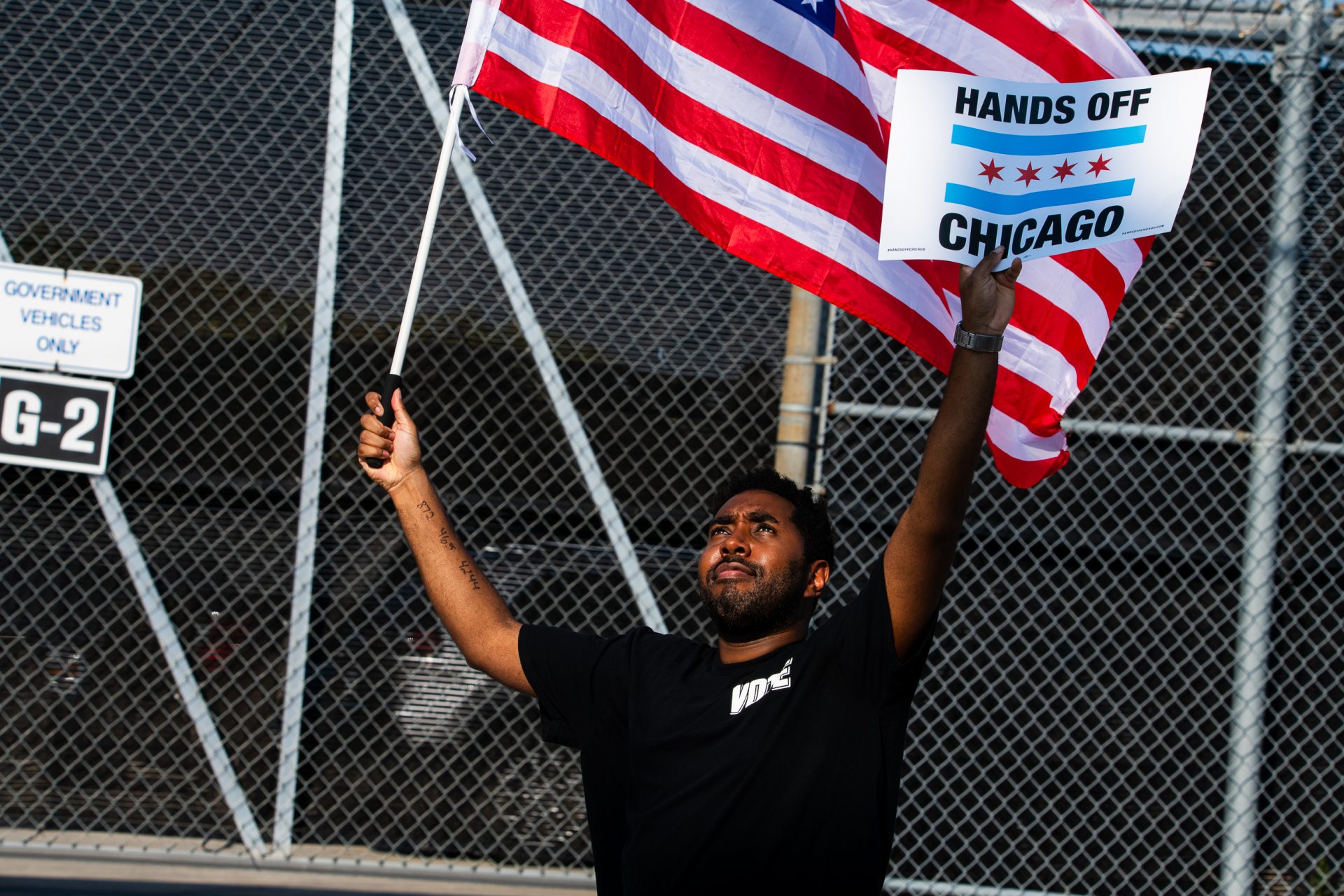
Although it’s been seemingly quiet in Chicago since the departure of Border Patrol Commander Greg Bovino, U.S. Rep. Lauren Underwood (IL-14) warns that federal immigration operations are not over.
Underwood toured the Broadview Processing Center on Nov. 24. It was the first time a member of Congress had been given access to the facility despite repeated requests to do so. The processing center, which the U.S. Immigration and Customs Enforcement (ICE) has been using as a de facto detention facility, has been the site of this year’s growing protests against the President Donald J. Trump administration. Immigration advocates and attorneys have raised concerns about the inhumane conditions inside the facility.
“Families in our community are living with fear and confusion because of Operation Midway Blitz. They deserve answers about what is happening inside these facilities and what authority DHS is using,” Underwood said in a press release. “My visit confirmed serious concerns about conditions, staffing, recordkeeping, and transparency. I will continue pressing for accountability and immediate corrective action.”
Additionally, Underwood said it’s unclear when the federal immigration enforcement operation is coming to an end.
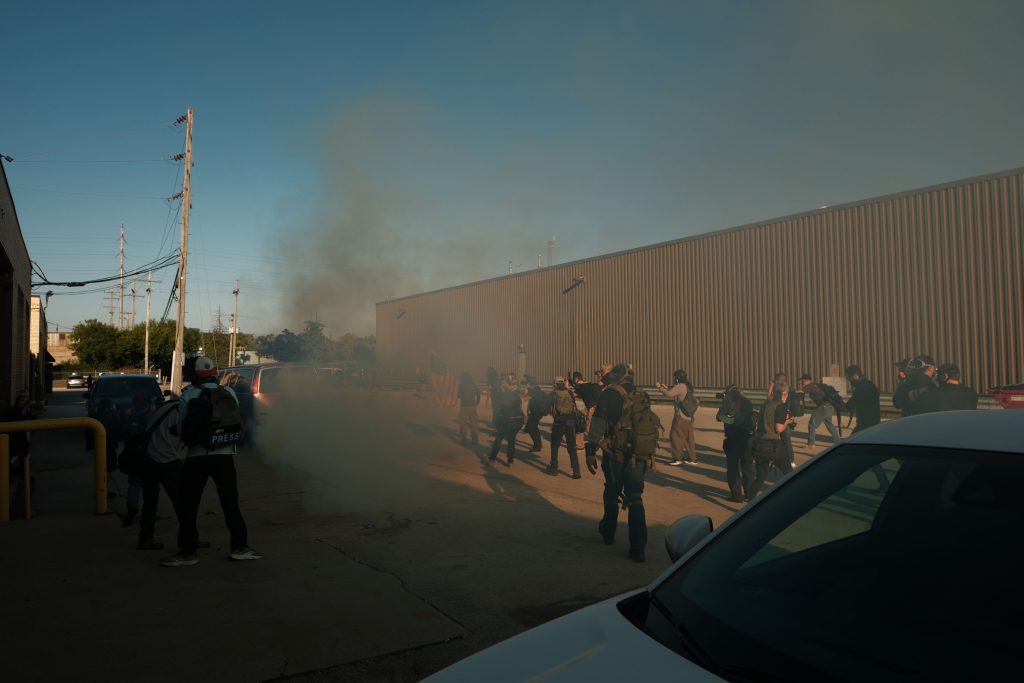
“No formal notification has been provided indicating whether the operation has concluded,” Underwood said.
Underwood said the Department of Homeland Security (DHS) told her there are more than 230,000 cases pending in Chicago’s immigration court docket, with more than 470,000 across the six-state region that includes Illinois, Wisconsin, Indiana, Kentucky, Kansas and Missouri. There are 30,000 people in the Chicago area categorized as “ready for removal.” Deportation flights are conducted out of Gary, Indiana’s airport.
Between September and November, the Illinois Coalition for Immigrant and Refugee Rights (ICIRR) managed a family support hotline and rapid response teams. Although the number of calls to ICIRR’s hotline has dropped significantly in the last two weeks, calls haven’t stopped entirely. This year, ICIRR received up to 1,000 calls a day, which is a 600% increase from 2024, according to ICIRR’s executive deputy director, Veronica Castro.
“We know that we lost thousands of community members to these kidnappings, and that the community at large has been terrorized and traumatized by everything that ICE and CBP have been doing in our neighborhoods,” Castro said. “So it’s very traumatic, the violence is very real, and it’s affected all of us.”
After leaving Chicago, Bovino and his team of agents carried out immigration enforcement actions in his home state of North Carolina, with Charlotte being the city specifically targeted by agents. More federal operations are expected to take place in Louisiana and Mississippi in the coming weeks. There have also been reported arrests by federal immigration agents in Minnesota.
With Bovino gone for now, Chicago organizers are taking this time to reflect. They’re looking to Los Angeles, Washington, D.C., and Portland for guidance. They’re strategizing for the unknown yet expected return of federal immigration agents. They’re also connecting with residents and community-based organizations on the ground in North Carolina to offer support and share insights.
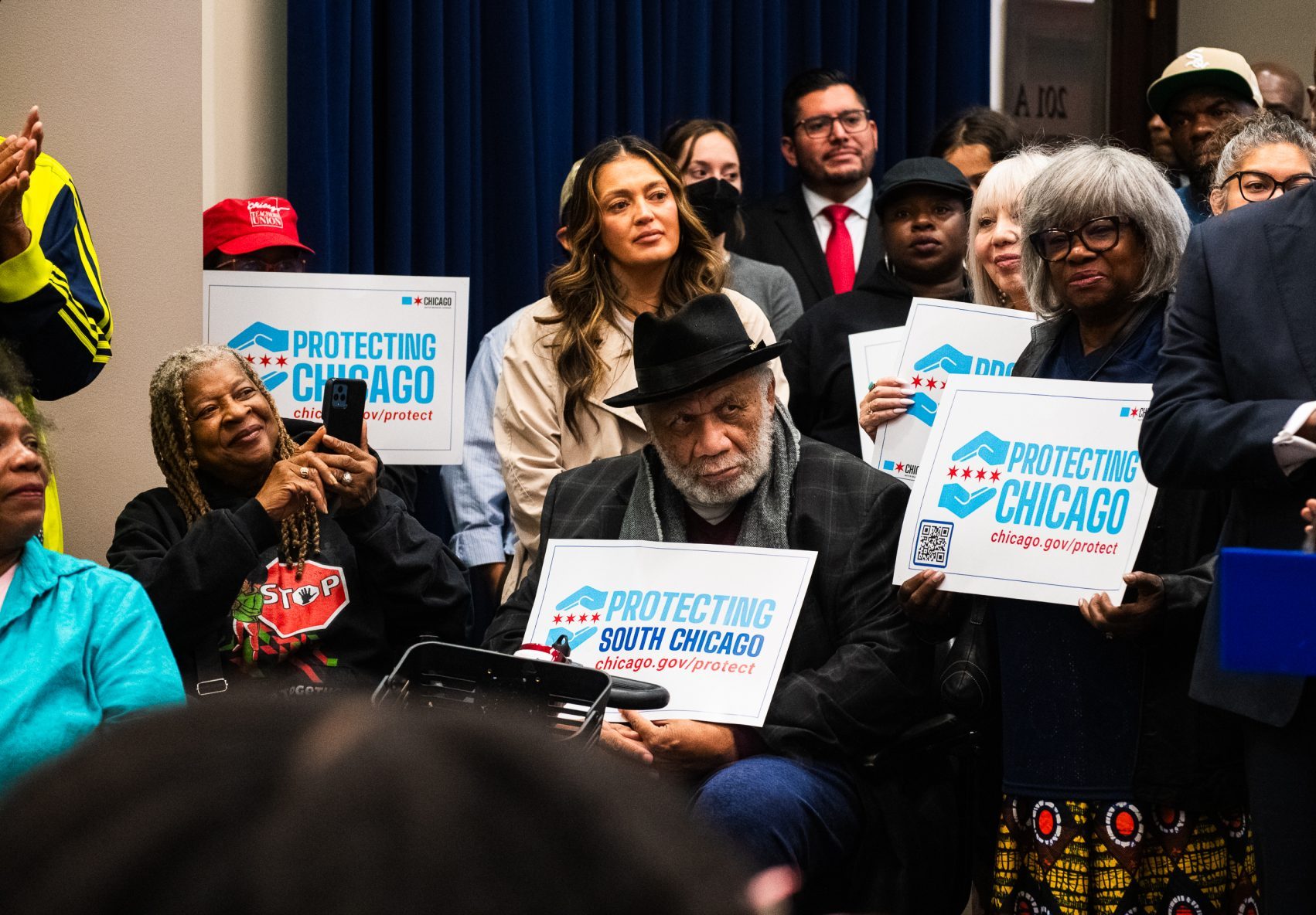
The resistance in Chicago included building rapid response networks, buying food from street vendors, buying and delivering groceries for at-risk families, patrolling schools so children and families are safe during drop off and pickup, and providing legal defense funding. These actions can be done in other states, too, Castro said.
“When we fight together, we’re stronger. This is an immediate opportunity to be able to really build those ties that I think will serve all of our communities for the long haul,” Castro said. “Everyone has a role to play and a task that they can take on.”
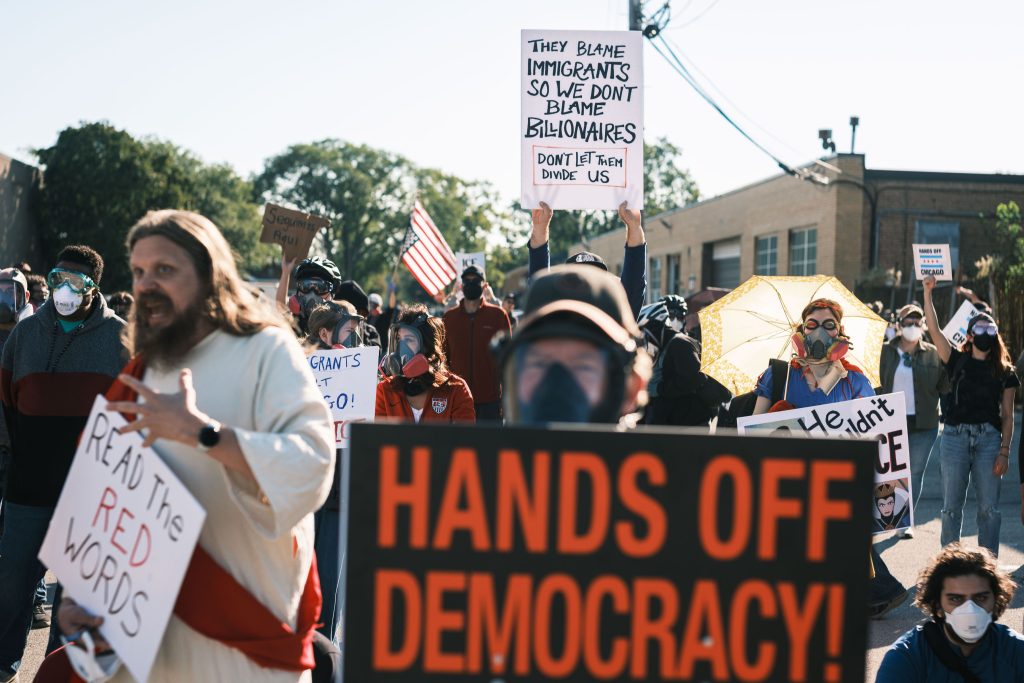
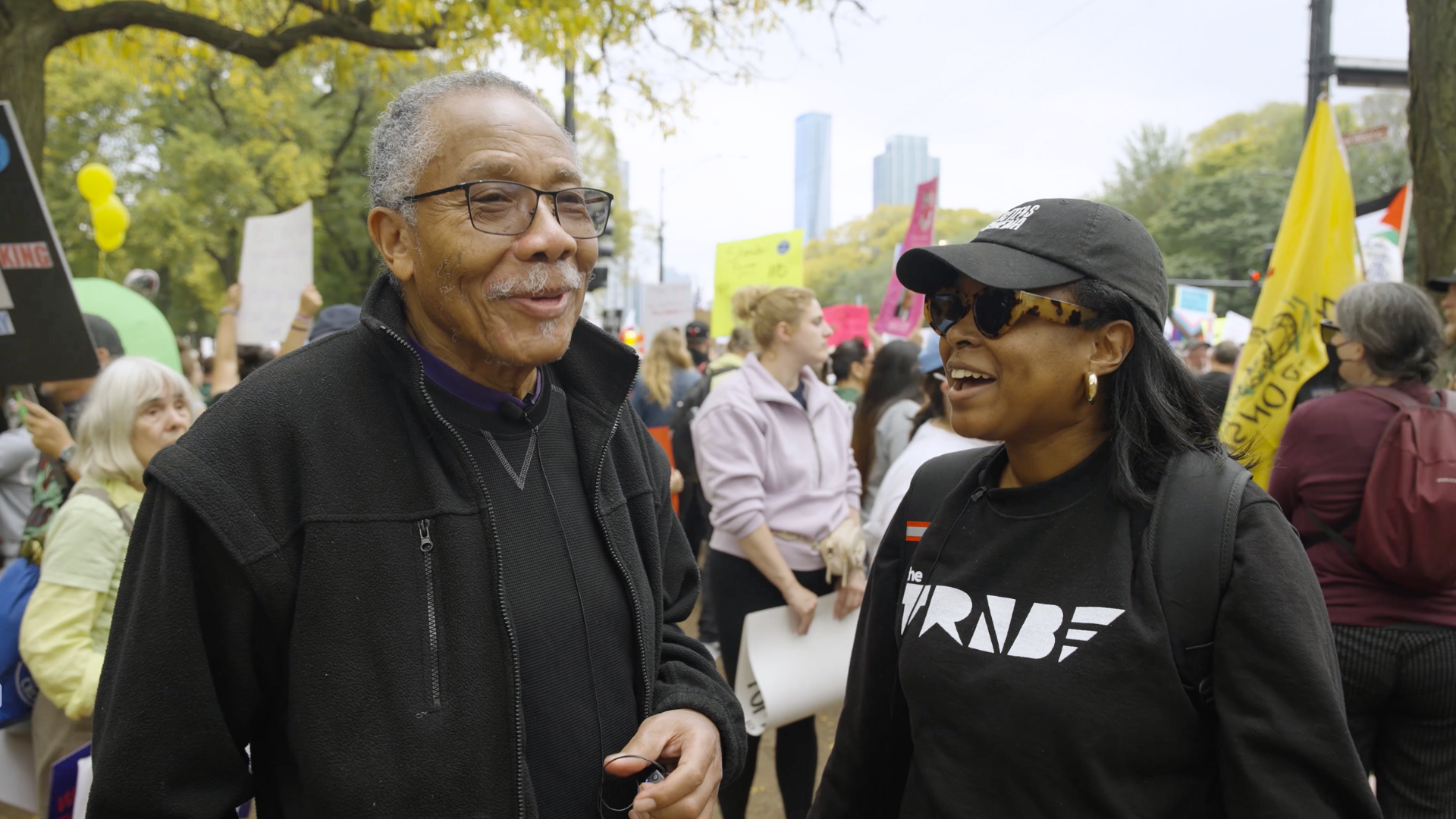
Celine*, a Humboldt Park resident and community organizer, said the most effective tool has been the use of whistles. Chicagoans first observed L.A. residents using them during the summer and decided to start using them, too. Chicago organizations hosted whistlemania events to package whistles and informational zines to give out to residents. (Celine is a pseudonym we are using due to concerns about retribution.)
“There will be times where you’ll be driving down the street and you’ll hear whistles and you automatically know what those whistles mean,” Celine said.
Castro also spoke about the citywide Know-Your-Rights training sessions hosted by dozens of community-based organizations. Visibility, she said, is an effective method.
“It is really important that people stay visible and that they see that resistance works. If this is the amount of people that they’re taking with us resisting, imagine the number of people that they would take if we didn’t resist, if we weren’t [documenting] the violence that they were committing in our communities,” Castro explained.
Cross collaboration also has been an effective tool for community organizations. For example, dozens of organizations led by Black people came together to publicly speak out against the mobilization of federal agents to Chicago and to build mutual aid hubs.
Faith leaders across religions also stood in solidarity and organized together.
“I definitely encourage faith communities, regardless of what faith you practice, to mobilize and organize together to resist because the faith community is definitely a powerful force that has to be on the front lines. It’s going to take the collective efforts of us working together,” said Rev. Ciera Bates-Chamberlain, executive director of LiveFree Illinois.
Alonzo Waheed is a program director with Equity and Transformation (E.A.T.), a local Black-led nonprofit that has hosted dozens of Know-Your-Rights trainings and provided free breakfast through a weekly program. While he expressed frustration and anxiety with federal immigration agents taking operations to other states, he also expressed pride in how Chicagoans resisted. He said residents documenting the moments federal agents broke the law has been an effective method.
“Outside of the city officials or the government officials is getting the community involved, being able to train them up where they know their rights, knowing how to respond,” he said.
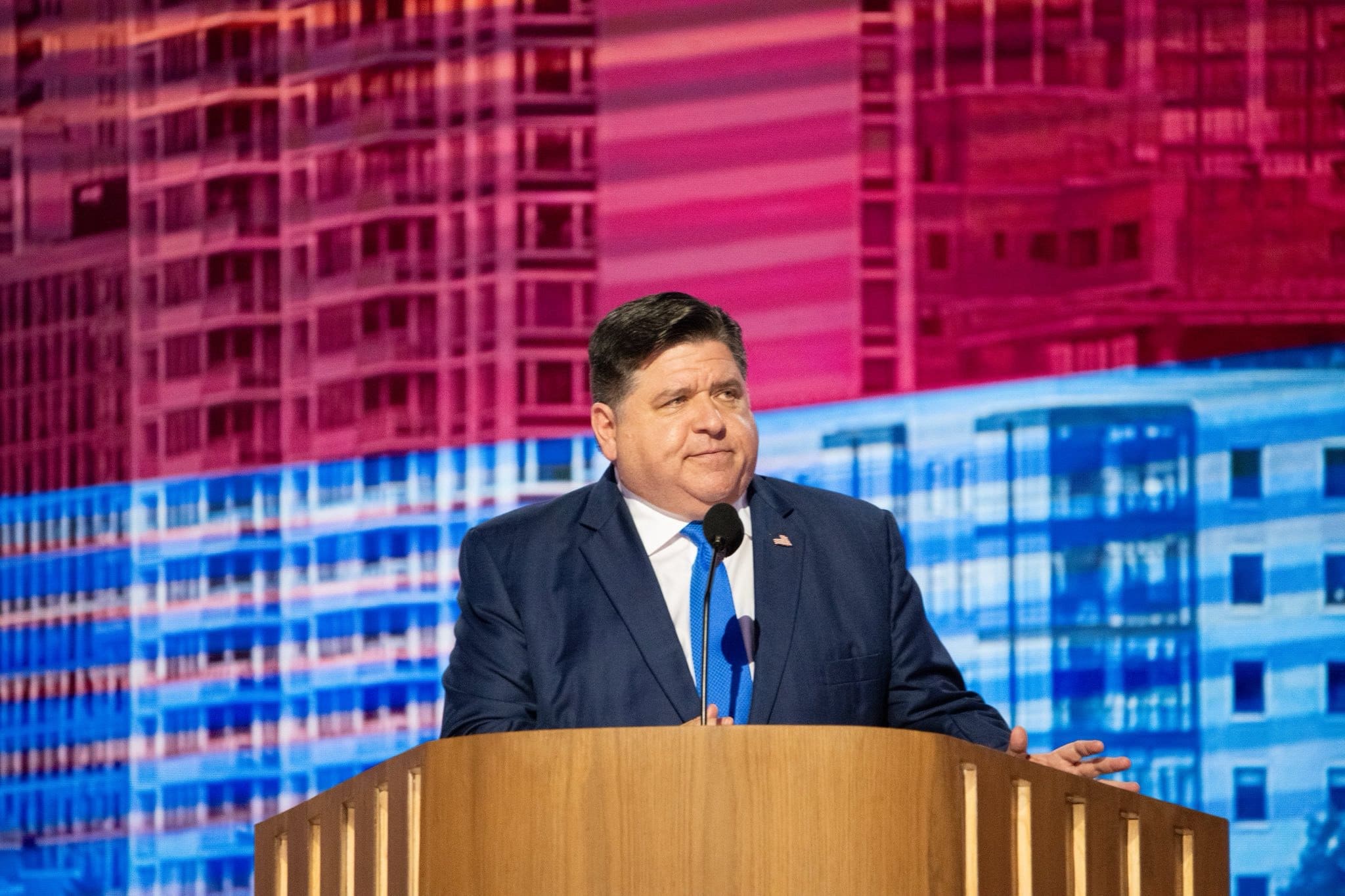
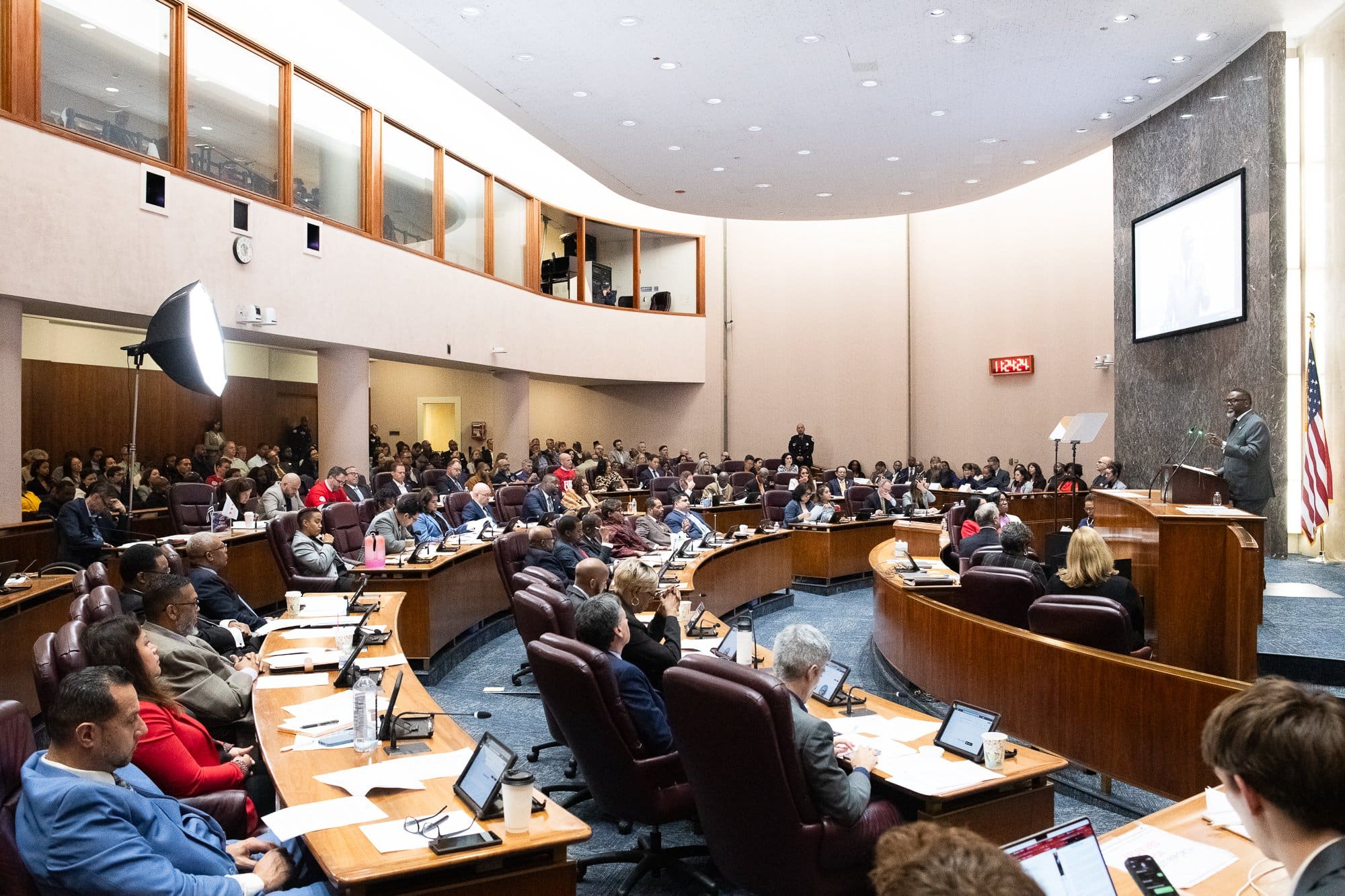
Although it’s been encouraging to see Gov. JB Pritzker and Mayor Brandon Johnson unified in their opposition against the Trump administration, Waheed said it’s been the community that has kept the community safe in this moment.
“We can’t depend on the government. We have to learn to depend on ourselves,” he said.
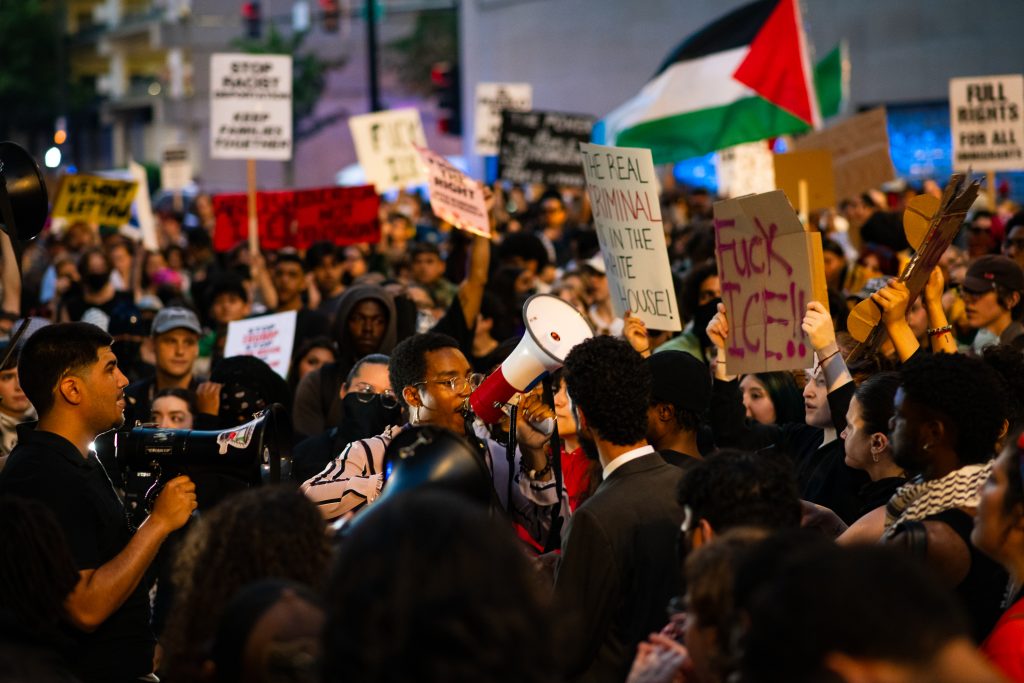
Over the next few months, Castro said Chicago has to continue to “build” and “be prepared for whatever” federal agents may return with.
For Bates-Chamberlain, building political power ahead of the 2026 Illinois primaries in March is also key.
“We also have to make sure that people are prepared to vote [for] their values in the primary and general election,” she said. “This is why organizing is so key, because you don’t feed your way out of this, you vote your way out of this. You build power to get out of this.”