


This article was adapted from the July 3, 2025 edition of our members-only RESHAPE newsletter. New editions drop every week. Sign up here.
So many of us are grappling with the terror of ICE and the torturous detention camps being built in America at this very moment.
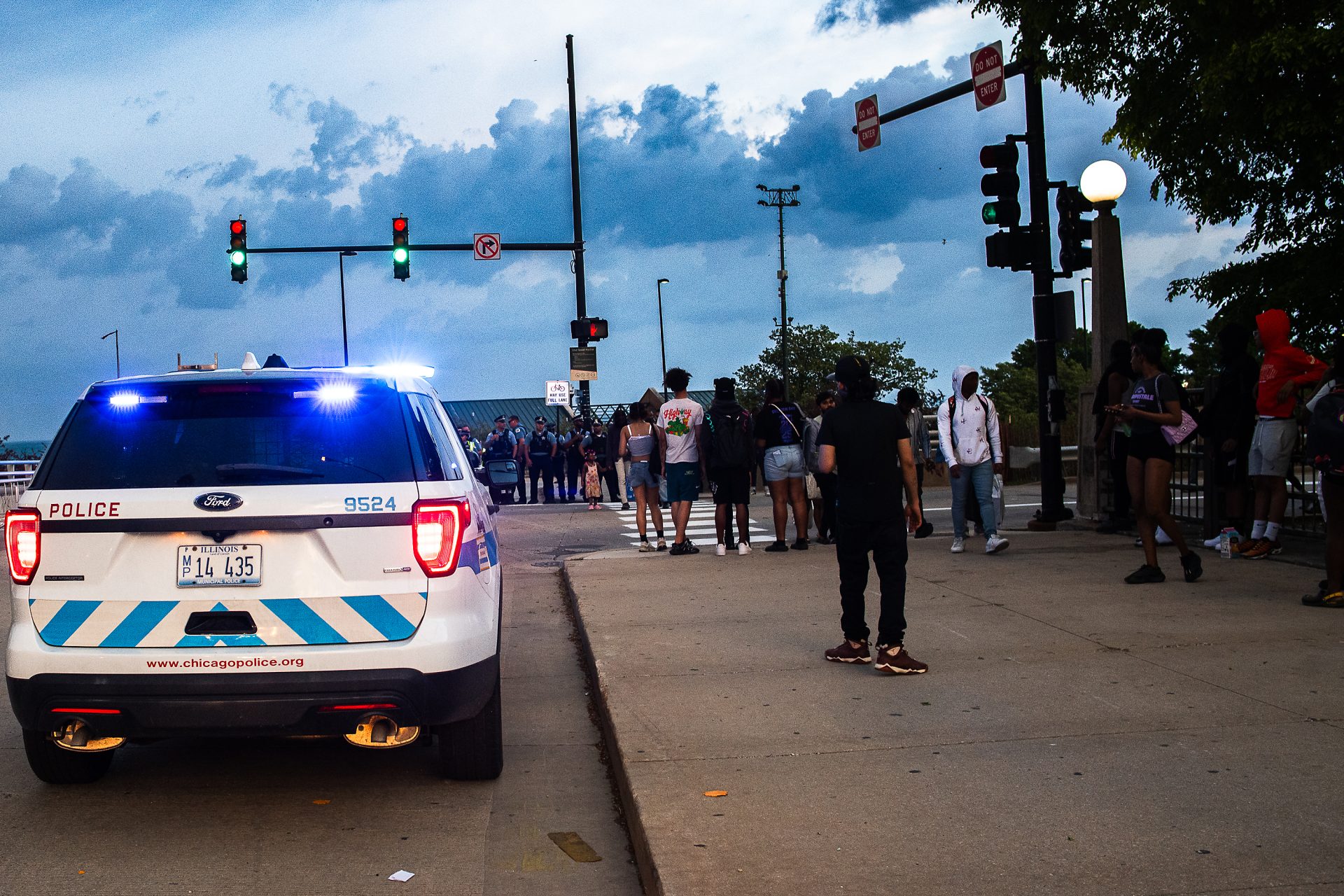
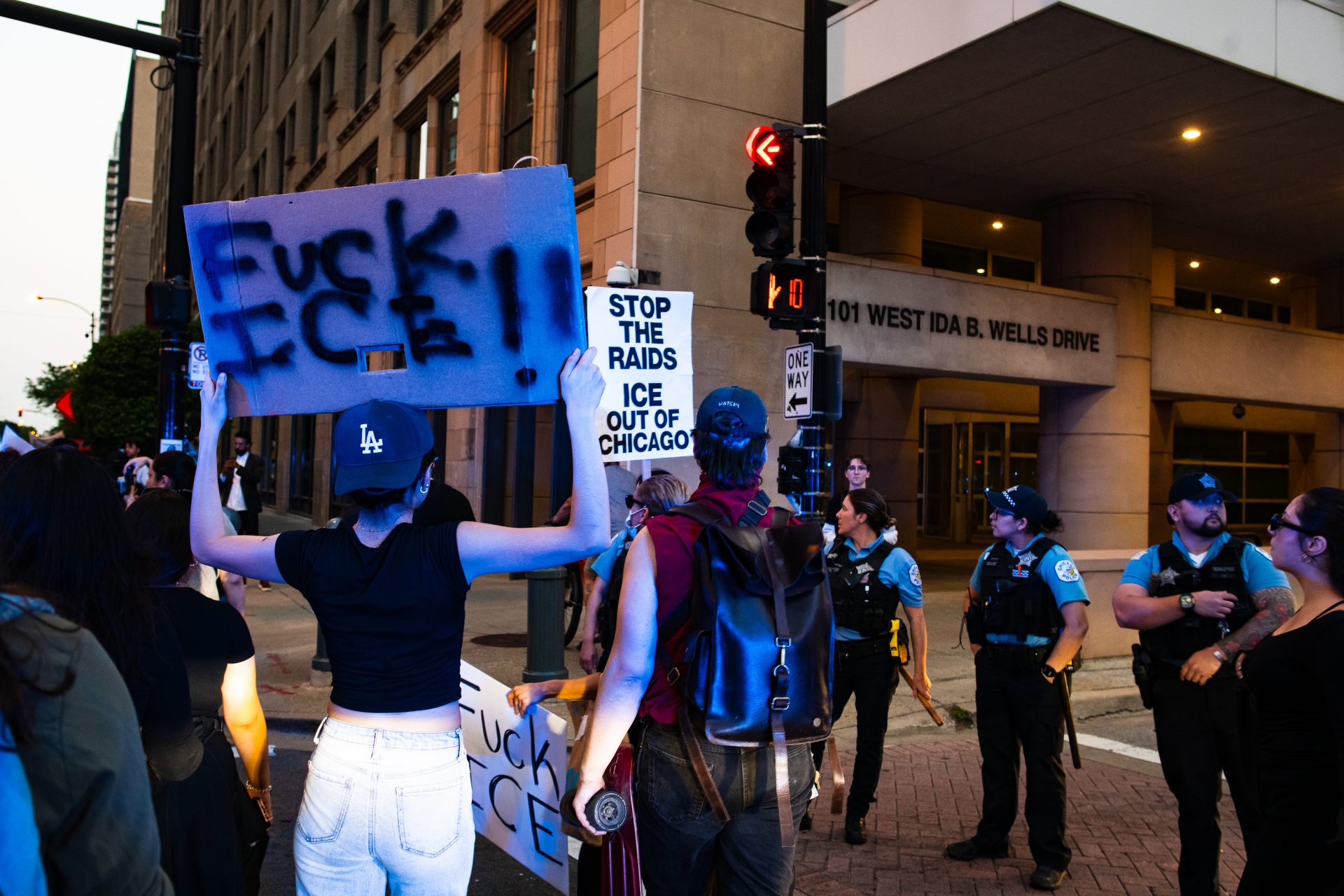
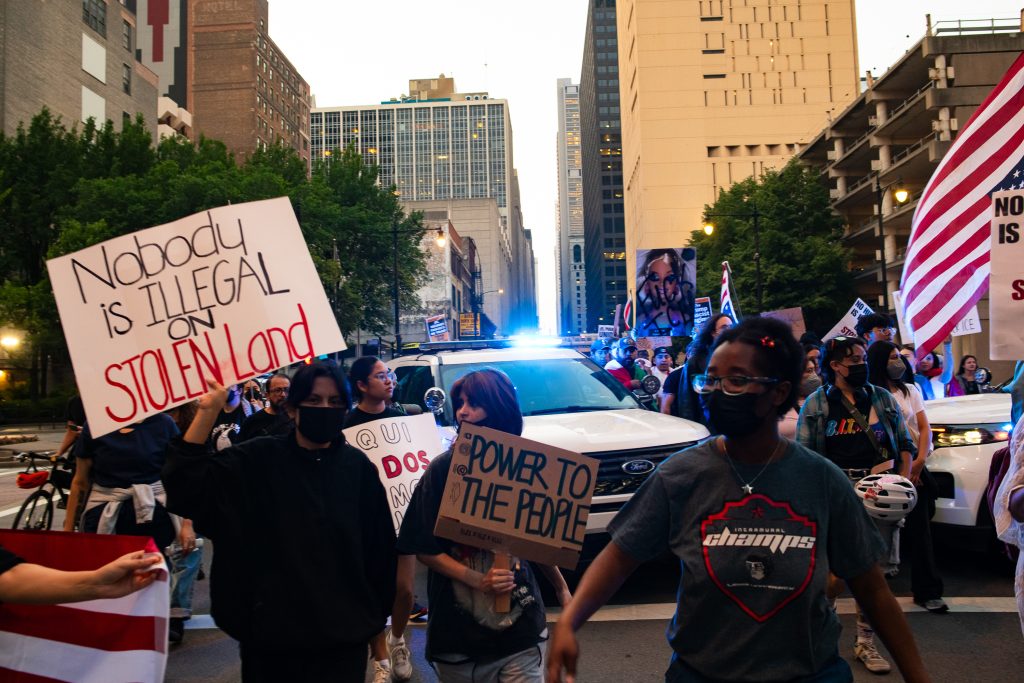
Locally, Ald. Andre Vasquez (40th Ward) and the City Council’s Latino Caucus have raised concerns about the Chicago Police Department (CPD) and whether their actions to control a crowd of demonstrators while ICE detained people is a violation of the Welcoming City Ordinance.
It’s always a good response to evaluate CPD’s harms. However, being the revolutionary city that we are, Chicago should know that the path to stopping ICE is not through CPD. So, we have to make sure that we’re fighting the battles that will actually address the root of the problem.
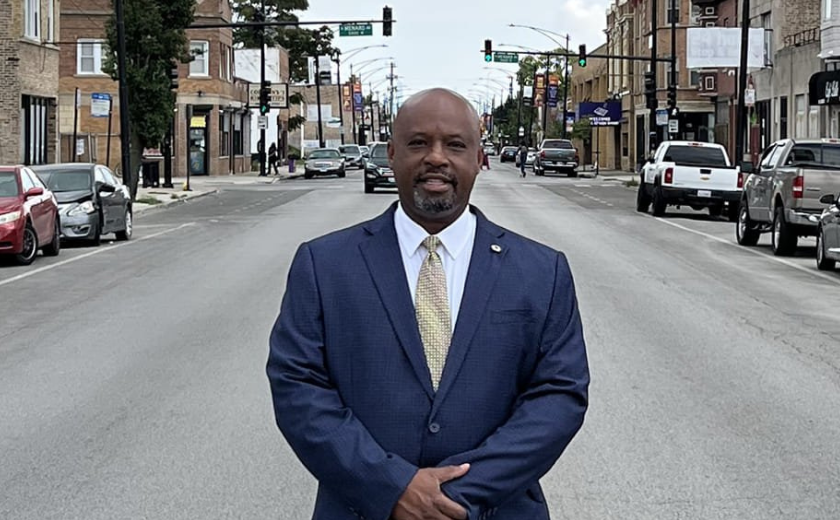
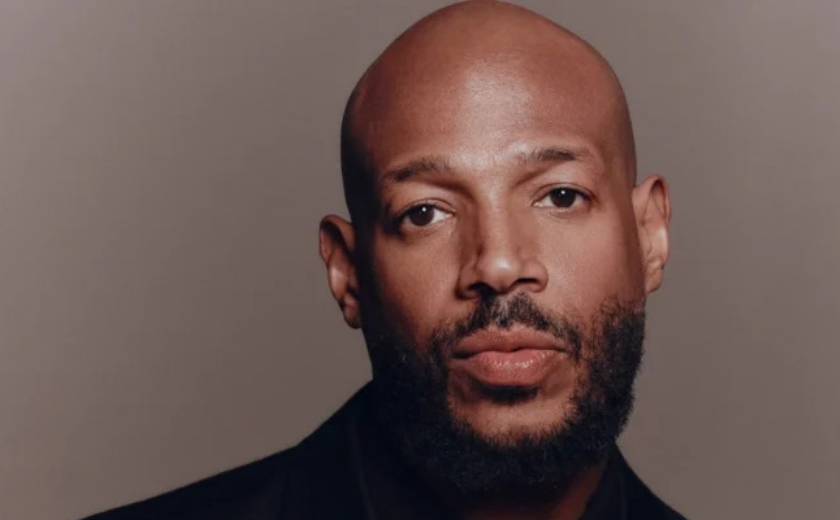
I contacted Christopher Williams, Acting Professor of Law at University of California-Irvine School of Law and native of Chicago’s South Side, to get clarity on how the Trump administration is able to legally carry out this terror and to see if there are any legal levers that can be pulled to stop ICE.
Chris has been studying Chicago’s progressive movement and is aligned with social justice causes. He penned this essay for The TRiiBE about how the end of cash bail in Illinois is showing positive outcomes.
Through Chris’s expertise, I was able to learn how ICE was created and how ICE can be stopped. Read some excerpts of our convo below:
Morgan Elise Johnson: When systems and policies get created, I feel like the public just assumes that it’s always been like this. How did ICE come to be?
Christopher Williams: ICE is like a relatively newer phenomenon that came around in the early 2000s as a part of a whole onslaught of policies by the Bush administration that was aimed to really scramble to respond to 9/11 and, you know, rooted in some really xenophobic animus, particularly towards folks from the Middle East. Not to say that things weren’t happening before then in terms of racism with immigration policies, but [ICE is] really a product of the creation of the Department of Homeland Security [in 2002]. The increasing criminalization of immigration is what we in the legal academy call “crimmigration.”
This shift to criminalization and immigration enforcement happened during the Reagan administration in the 1980s. Chris explained that overstaying your visa, for instance, is akin to letting your driver’s license expire. It’s not necessarily a criminal offense, despite the extreme enforcement efforts we’re seeing today.
MJ: ICE is a particularly worrisome entity because it follows the directives of this fascist executive branch. Is there any way our local government can stop ICE from terrorizing our local communities?
CW: There’s just no scenario in my mind where I’m like, ICE is detaining somebody, and CPD or state officials are gonna get in the way. That’s just not – that’s not how our system is set up.
MJ: What are the risks of the Brandon Johnson administration, CPD or the state interfering with federal law enforcement?
CW: They can’t stop federal law enforcement from carrying out official federal business, because it’s the federal government. And if they do, then you risk a clash between state and federal agents, which is how stuff leads to civil war.
Chris told me to consider Texas Gov. Greg Abbott’s actions to install death traps in the water at the Texas-Mexico border as a case study. Abbott tried to face off with President Joe Biden’s administration on immigration policy by ordering the Texas National Guard and state police to secure the southern border with concertina wire. The courts ruled in favor of the federal government, underlining that Abbott had no authority to enforce the southern border; that’s federal jurisdiction.
MJ: So what can local officials do?
CW: They don’t have to share information with ICE. They don’t have to coordinate actions or tasks with ICE. They can pass along information that ICE gives them, right?
But again, CPD can’t do much [with] ICE lawfully being in a courthouse and picking people up. They also can’t stop ICE from raiding areas where immigrants are or knocking on people’s doors, because that’s just, like, normal law enforcement activity.
Chris explained that it makes legal sense for local officials to do crowd control while ICE is carrying out their enforcement activities. Why? To try to prevent the federal government from having a legal standing to send in the military. By this point in our conversation, Chris was simultaneously apologetic and frustrated by his inability to give revolutionary solutions. I assured him.
MJ: I’m just trying to help organizers understand what the limitations are, because they’re making demands of our local government that are illegal.
CW: If activists are concerned with winning legal battles (which increasingly seems futile) and minimizing legal justifications for sending in federal troops, then taking steps to make sure outside agitators don’t allow things to get out of control is best. But if that is not the concern and the goal is to be more disruptive, then that comes with the risk of there being a legal justification for sending in more troops.
I questioned him extensively on what would incite military enforcement here in Chicago. We saw what happened in Los Angeles, when the Trump administration deployed the Marines.
CW: The basic rule is that the president can deploy the military or branches of the military to protect federal buildings and the ability of federal entities to do their job.
The primary way that the government or the president can deploy troops is under the Insurrection Act, and that’s primarily to quell some sort of rebellion. We can think about the Rodney King riots in LA. That was kind of the last time that the Insurrection Act was deployed to send the U.S. military to cool down this thing.
What I got from this conversation is that the Trump administration’s actions to target immigrants at or near federal buildings may be a part of a sinister plan to give a legal basis for military enforcement. The location of public protests could be a key factor in what the federal government’s response will look like. Could virtual immigration hearings be a better way to de-escalate and solve this safety threat? I’m just thinking out loud.
Now back to the question of stopping ICE altogether.
CW: To get rid of a department that was created by an act of Congress has to be undone by an act of Congress. So in order to do away with ICE, you would have to do something about the Department of Homeland Security (DHS) because the DHS was created by an act of Congress and ICE is housed within that.
This is why, when the Trump administration is talking about closing the Department of Education, everybody’s like, “you can’t do that.” Because it was created by an act of Congress, and so it takes an act of Congress to undo it.
Now, what the Trump administration has been doing is, kind of, defunding the Department of Education and outsourcing its functions without officially closing the doors.
What they’re doing right now [with ICE] is costing them a lot of money, and they’re going to have to go back to Congress at some point and ask for more money, because [what they’re doing is] just super expensive. And so, if you had a group of folks in Congress, that was just like, “actually, we’re not going to give more money,” that’s going to pigeonhole a lot of what they can do.
It turns out that Trump’s “One Big Beautiful Bill Act,” just passed. It cuts resources for Medicaid and SNAP, while giving tax breaks to the rich. It’s also a huge funding bill for ICE. Rolling Stone reported that the bill funds 10,000 new ICE agents and 100,000 new detention beds.
Our collective beef should be with Congress. Pressing congressional representatives with the demand to defund ICE is how you RESHAPE this narrative towards a reparative solution.
I feel inadequate for learning this information so late and I’m appalled by our elected leaders for not raising this as a central talking point. However, with more understanding of the mechanisms that can undo systemic harms, we can make liberation more possible.
If I taught you something today, please get your people signed up for our RESHAPE membership. This work can’t continue without you.