

The People is our section for opinions and perspectives. Submit your opinion to info@thetriibe.com.
In the United States, white safety has always come at the expense of Black safety. Decades have been spent tinkering with public policy to sustain both.
Collaborations between politicians, communities and funders are starting to get it right.
Community violence intervention, also known as CVI in public safety circles, is working.
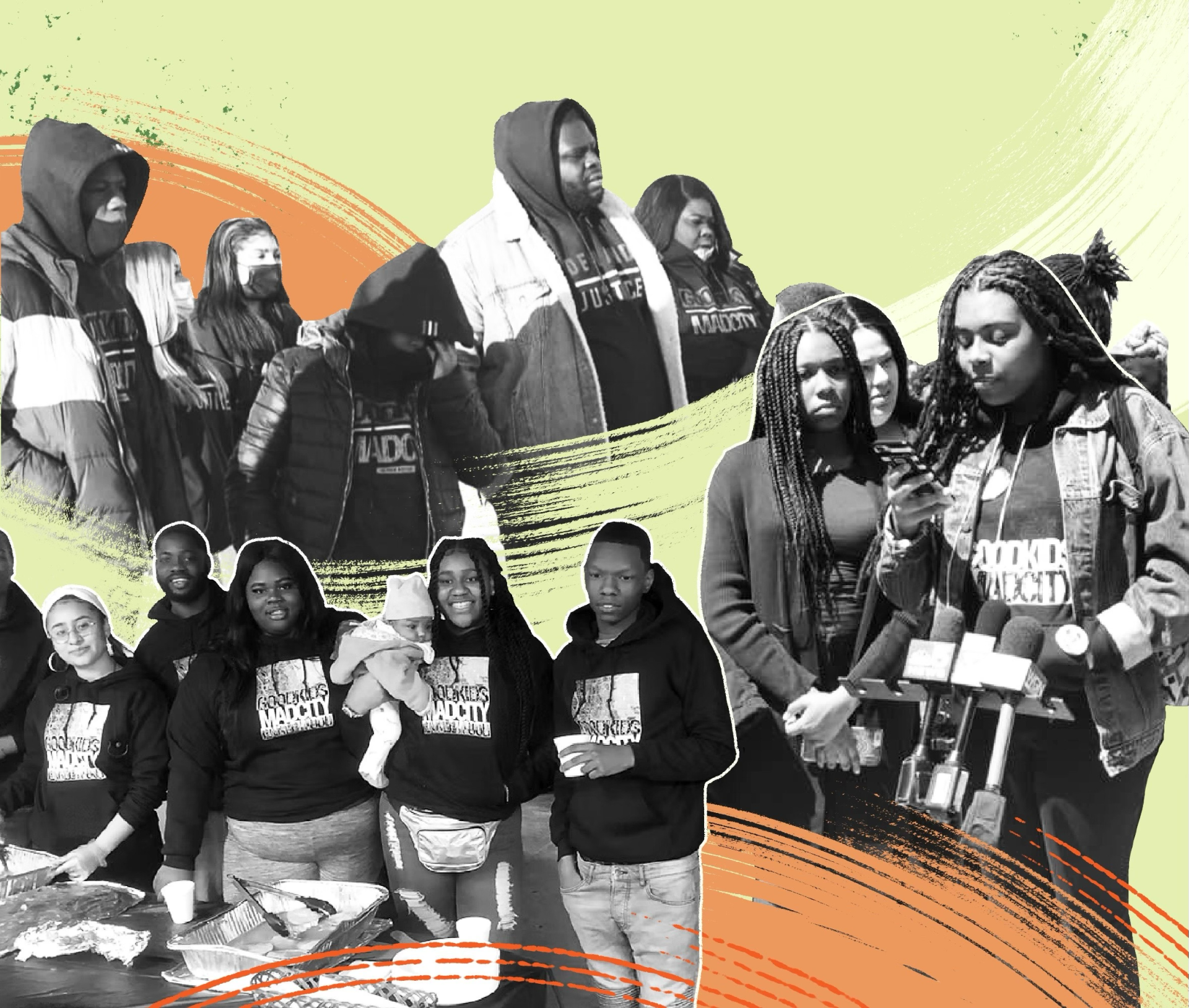
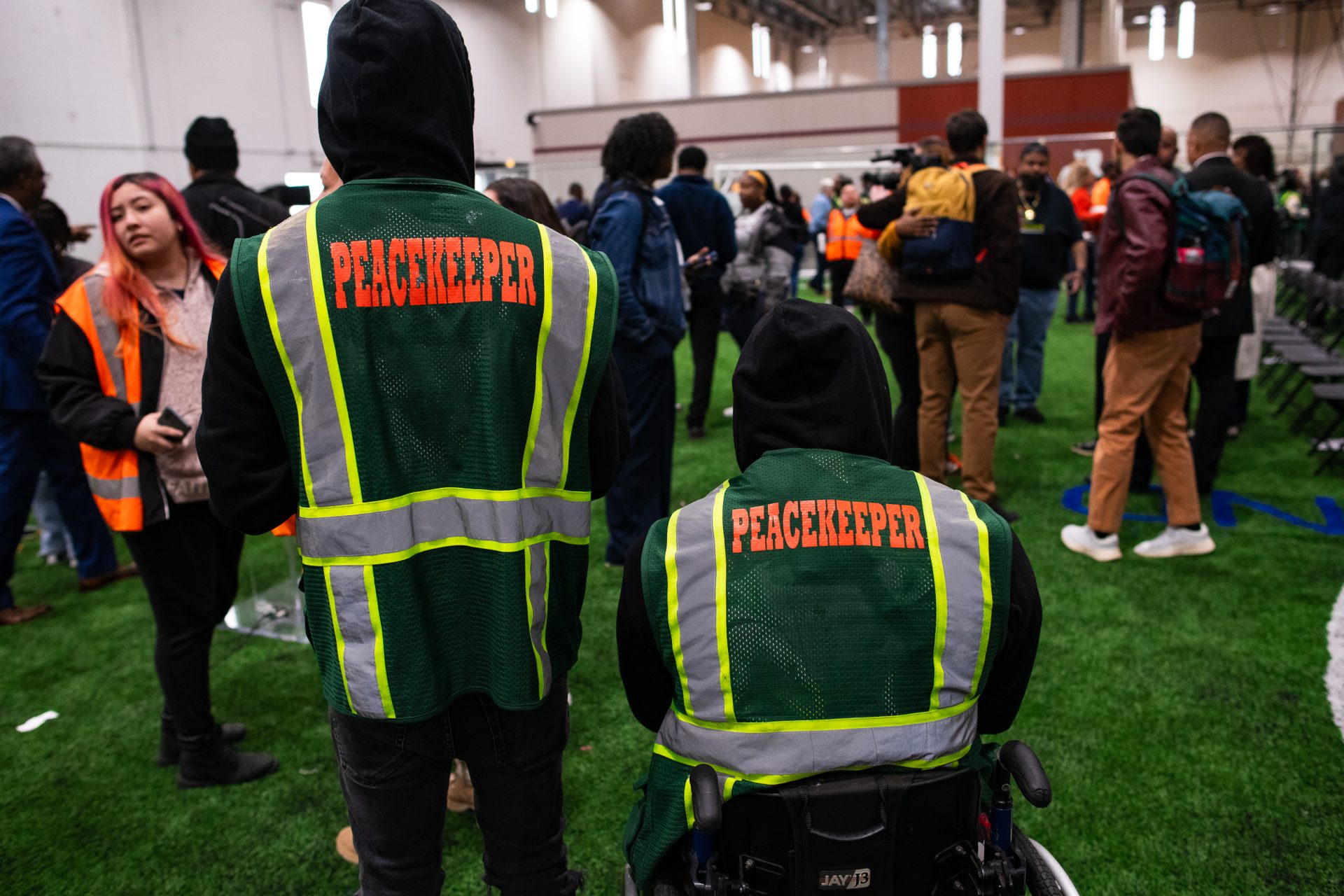
This growing public safety industry is anchored by Black and brown residents—many of whom are returning citizens —leading the charge in the most gun-violent communities. It has come a long way from the 1990s, when “tough-on-crime” obstructionists dismissed it as ineffective. CVI went from being pejoratively labeled by critics as a soft “Hug-A-Thug” approach to establishing itself as a nationally recognized model of holistic harm reduction. What began as unstable seasonal work has become a career path for CVI frontline workers.
Today CVI is a network featuring collaborations between community-based organizations and public health institutions. The impact is as real as the investment. In Chicago, Boston, Detroit, St. Louis and Baltimore, to name a few, shootings and homicides are down. Government has increased investment in and the integration of CVI. Philanthropy has embraced the field as its collective care darling. Academia has built infrastructure to evaluate and improve it. National leadership academies for CVI are springing up. And the private sector has chipped in—with contributions topping $100 million—to scale investment.
CVI is hitting its stride, but don’t let the momentum fool you. A strain is showing.
Frontline workers have been cramping under pressure, forced to smile and swallow pain so funders and nonprofit executives can parade progress. Who’s being overworked, underpaid, exploited, and bled dry for the CVI trauma porn circuit? How much more grinning, bending and stretching will be required before frontline workers receive collective repair?
It’s time for CVI to unionize; it’s a proven pathway forward. After all, frontline workers, funders, and government staff interviewed for this piece demanded anonymity out of concern for retaliation from the CVI ecosystem—a reflection of the power dynamics collective bargaining would expose.
For all the risk, the compensation package is paltry. Healthcare access is not consistent. Many feel exploited—blown off and muzzled by their employers until their presence is needed for dog and pony press conferences. The evergreen racial tension typical in mission work looms large—white saviorship’s colonizing method of so-called collaboration with Black and brown communities—only this time, a modicum of leadership from the shuck ‘n jive delegation has lent its white-credentialed proximity to the gatekeeping efforts of anxiety from the field’s indigenous frontline.
“While we are acknowledged as the battery pack, they don’t want us to be the power grid,” one CVI worker told me.
A separate street outreach worker, who has credible knowledge and trusted relationships with those at highest risk of perpetuating gun violence or being shot, lamented the post-traumatic anxiety after routine intervention activity.
“Imagine having an AK-47 pointed at you. No gun. No bulletproof vest. Just a shiny logo jacket and some de-escalation training,” they said. “I still get butterflies going back to certain places—You know how hard it is to keep going after something like that?”
I spoke with victim advocates, too. They work directly with shooting victims and their families. Those who spoke with me reflected on seeing a body after a fatal shooting.
“I can’t even put it… into words,” one victim advocate said while getting emotional. The pressure for a shooting victim or their family to retaliate is real, and victim advocates are tasked with de-escalating that hurt and desire for revenge. “It makes it hard to work with their families,” the victim advocate added.
I asked the street outreach worker whether the compensation for this work is commensurate with the level of risk or danger. It’s unequivocal.
“Hell naw. We’re first responders—just like police, firemen and nurses —but we don’t get protective gear. Just for $40K? And a lot of [street outreach workers] don’t make that! “
I then spoke with a public funding administrator about this issue. “Some of these executives make six figures and refuse frontline requests for more money, even though they do the heavy lifting. It’s unfair, and no one is saying it.”
I asked a case manager, who navigates victims and shooters into holistic services, about this issue as well. They said, “We get the star treatment until the cameras leave. Then it’s back to being disrespected.”
Black and brown people have a long legacy of being shorted labor protections. The struggle for those victories reminds us that demands for equity are only realized through unified grievance. Unionization protects what frontline workers built without being neutered or picked apart.
In the spirit of professionalization, an aspiration of CVI, unionization ensures essential worker anxieties are prioritized—not patronized. Think: The Brotherhood of Sleeping Car Porters. The United Farm Workers. The Chicago Teachers Union. Black police unions. All of these units secure better wages, benefits, and work conditions for frontline workers.
If essential workers in reentry, behavioral health, and homeless services have union protection, CVI workers on the frontlines damn sure deserve one as well. I mean, the street outreach worker is dodging bullets; the hospital responder and victim advocate is holding space for grieving families; and the case manager is safely navigating those at highest risk into holistic services. Why shouldn’t they have better compensation? Why shouldn’t they have better healthcare and protective gear? Shouldn’t they have a voice in their present and future quality of life?
It should be a no-brainer, but think again.
The nonprofit industrial complex thrives on power asymmetry, and unions level the field. Particularly for frontline workers who are formerly incarcerated, Black and brown. And especially when a city’s chief executive (a.k.a. Mayor Brandon Johnson) is a union supporter driven by an imperative to repair Black and brown systemic harm with community-level reinvestment.
The naysayers will say, “We already do so much for our staff,” as if gratitude is a substitute for justice. They’ll rattle off trauma-informed workshops, or the occasional hazard pay stipend, like it’s a pension plan.
But that’s as old as the plantation owner’s logic. They prided themselves on taking care of their chattel, too.
What CVI employers claim to be satisfaction is actually fear. Fear of retaliation. Fear of being iced out of contracts. Fear of being labeled a rabble-rouser. It’s implied overseer energy; the kind that cloaks control in the language of care. As if CVI workers’ ability to speak for themselves, demand fair pay, and insist on protective gear is somehow an act of disloyalty.
Let’s be clear: this piece isn’t about attacking CVI non-profits. It’s about liberating the frontline labor that makes them possible. Privatization has proven to be catastrophic for Black and brown communities. CVI frontline workers, who are everyday people, take on the burden while the employers reap the benefit. Unionization creates a safe space to sustain, protect and scale their presence.
Besides, as CVI seeks to professionalize, what better way to protect itself from the looming threats of budget cuts and political headwinds? Public opinion shifts. Elected officials change. Today’s innovative darling can become tomorrow’s pariah with a single election cycle.
Imagine this: A national union—call it the United Peace and Safety Workers of America—with state affiliates. A contract. Standards of commensurate compensation. Healthcare. Life insurance. Dignity.
The recent Chicago shooting of CVI worker Prince Johnson, killed in the line of duty without protective gear access, makes the case for unionizing painfully clear.
Safeguarding the frontline doing the real work on the ground is a matter of life and death.
They’re saving lives. Shouldn’t CVI workers also have collective bargaining rights to protect their own?