

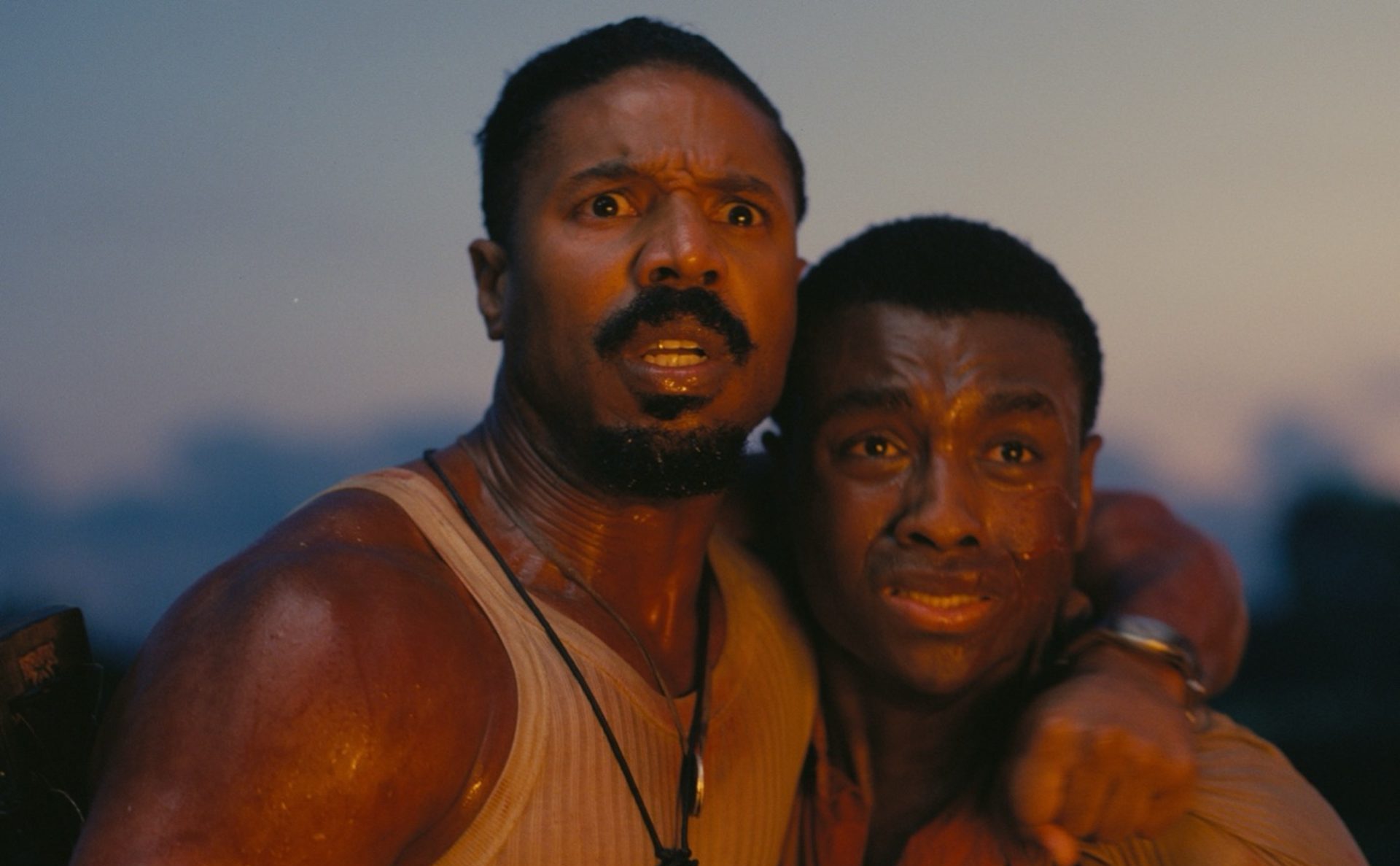
Sinners is so good that moviegoers couldn’t wait to take it home.
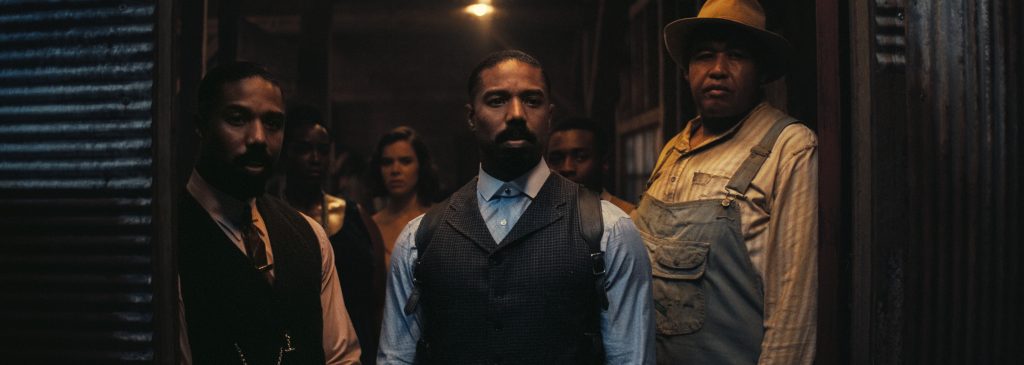
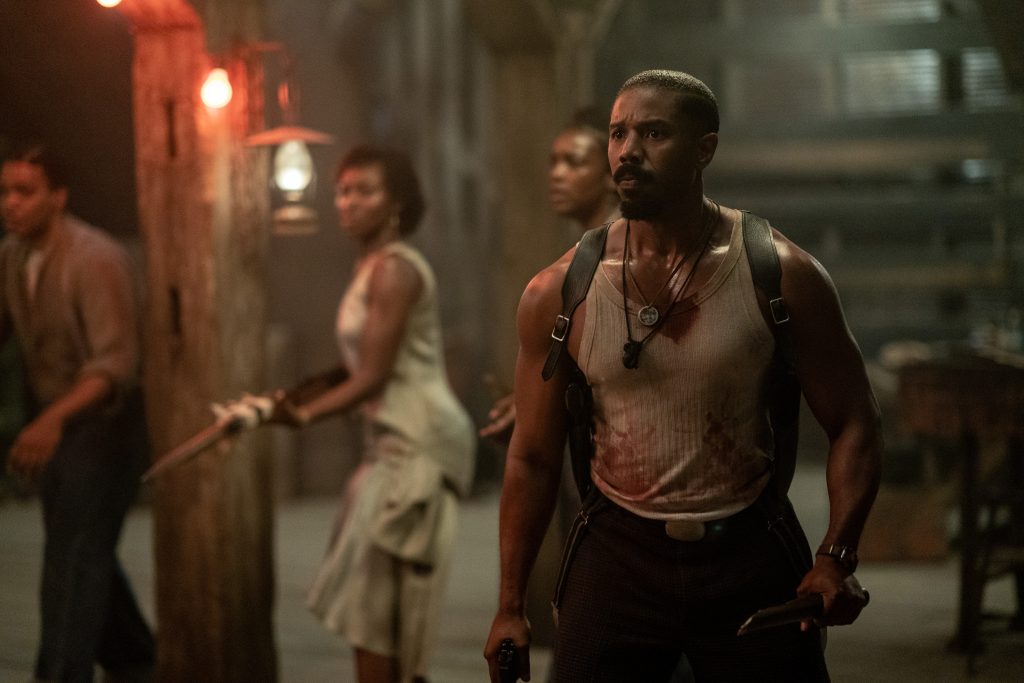
And on July 4, HBO Max released a streaming version to allow fans to do what they love most about this supernatural horror film starring Michael B. Jordan: Picking up new details and asking questions about characters like the twins Smoke and Stack, love interests Annie and Mary, or shopkeepers Grace and Bo, as they opened a juke joint in an old saw mill in the sweltering hot 1930s Mississippi Delta.
It’s no secret that Sinners was an unexpected success, which happens quite a bit when it comes to Hollywood underestimating Black films. The film generated such demand when it was first released in 70mm prints and IMAX formats, extended screenings had to be added.
Despite curiosity about the world before and beyond the Sinners universe, there are no sequels or prequels planned. It’s a surprising move during a time when expanded universes and remakes are standard business within Hollywood. And while there is a vocal section of fans who have described how they would envision this happening, director, producer and screenwriter Ryan Coogler has said the story is complete: With the film being a refreshing hit within the bigger cinema landscape, perhaps it is best to keep it that way.
Of course, Coogler understands this process better than most. This film was essentially made in between his work on the second and third Black Panther films. He has dedicated nearly a decade to working with Marvel, and to ask him to do the same type of franchise-building he had done with Black Panther (2018) and Creed (2015) … doesn’t seem fun.
Perhaps Sinners is the passion project he wanted to make for some time, especially considering the star of Black Panther, Chadwick Boseman, is no longer with us. Since the second Black Panther film paid homage to its fallen star, Sinners appears to be Coogler’s way of continuing his journey as a filmmaker.
There’s also something about the rollout and sustained appeal of Sinners that would be hard to recapture. Strong word of mouth drove people to the theaters, along with unique marketing. Coogler’s promotional video with Eastman Kodak Company to explain technical methods used to heighten the impact of emotionally charged scenes is the perfect example.
People not typically into the science of film — like aspect ratios and other specifics reserved for cinephiles — found themselves intrigued. Seeing stories of people driving several hours to a theater to see the rich, color-drenched 70mm and IMAX versions was simply born from hearing other people talk about it. This level of curiosity and excitement suggests that if Coogler doesn’t keep doing authentic projects and instead attempts to cash in on the reputation he has built, this trust and respect would be lost.
The best way to build upon the storytelling possibilities Coogler has introduced and satisfy hungry viewers craving innovative takes on Black life would be to greenlight more ideas from budding Black filmmakers and writers.
Too much of the industry is afraid of making a “Black” film and sees such stories as dead-end concepts. Yet many of these films in recent years, such as The Best Man Holiday (2013), Hidden Figures (2016) and Girls Trip (2017), exceeded Hollywood expectations. It’s a funny pattern at this point: Black filmmakers, when given the chance to make good original films, surprise studios when the audience shows up. And other Black creatives show up for one another, too: Spike Lee has praised Sinners, and Coogler stands on the shoulders of giants like him. I imagine Coogler would want to see his blockbuster success turned into a transformational moment for Black filmmakers, and not a simple cash grab.
It’s annoying to watch Hollywood studios try to mine popular Black films from yesteryear by bringing back the original actors at blatant attempts at fan service. Sure, you can have some of these concepts work like The Best Man Holiday. But a lot of people also want to forget about Coming 2 America (2021). Or the sequels that have nothing to do with the first film: Belly 2 (2006), anyone? How High 2 (2019)? This is a Hollywood problem, where studios are afraid of making anything new and want to reap the profits of proven franchises. From a business standpoint, it makes sense. I guess. But from the perspectives of creatives and fans who go to the movies to experience something different and heartfelt, it’s rare to achieve this when you are recycling old, often-soulless ideas.
The fact that Coogler ended up making Sinners away from the studio that gave him his biggest break with Black Panther speaks to the fact that directors, actors and such are people with their own ideas and need freedom to produce their own material.
Amid the pursuit of billion-dollar franchises, it’s increasingly difficult for Black filmmakers to get original ideas made. In some ways the streaming era has opened new doors for Black directors and creatives. It’s also not quite the ’90s, when it seemed like Black creatives were simultaneously working within the confines of the studio structure while determined to have their ideas made by and tapping into the larger creative community to help get things produced.
There is arguably a different approach to the current era of collaboration and focus, with less thought and emphasis placed on gaining a Black audience by Black creatives. Some recent projects are seemingly not aimed at Black viewers or don’t feel respectful to a wider swath of the Black community. Thus, it’s not surprising when certain projects don’t succeed, and the conversation shifts to “Why didn’t anyone show up?” The answer is low-key, “It didn’t seem like it was made for us.” (2024’s The American Society of Magical Negroes, anyone?)
This explains why people felt so strongly about Sinners.
It’s a film set in the 1930s with racism and the greater sins of America ever present. But the film also shows a Black America that thrived on community and creativity, and people cared about one another nevertheless. The film reminded me of other Black Southern films set in the past like Down in The Delta (1998), or Once Upon A Time … When We Were Colored (1996). Sinners felt born out of pride and reverence for the Black experience.
Trying to replicate that could easily turn into something that feels assembled on a factory line, and watered down for a “larger audience,” the typical euphemism for accommodating white tastes. If Coogler feels the story was told in full and he has nothing to add, we as the audience should respect that. Hopefully this will send a message to Hollywood that we need more original ideas — in general — but especially from Black filmmakers.