DON'T LET THE ALGORITHM DECIDE WHAT YOU SEE

Subscribe to The TRiiBE and get the latest stories from Black Chicago delivered straight to your inbox.

SUBSCRIBE
The News

Chicago’s Reparations Task Force is examining what reparative measures look like for Black Chicagoans

By

Published on July 28, 2025

Chicago’s Reparations Task Force is examining what reparative measures look like for Black Chicagoans

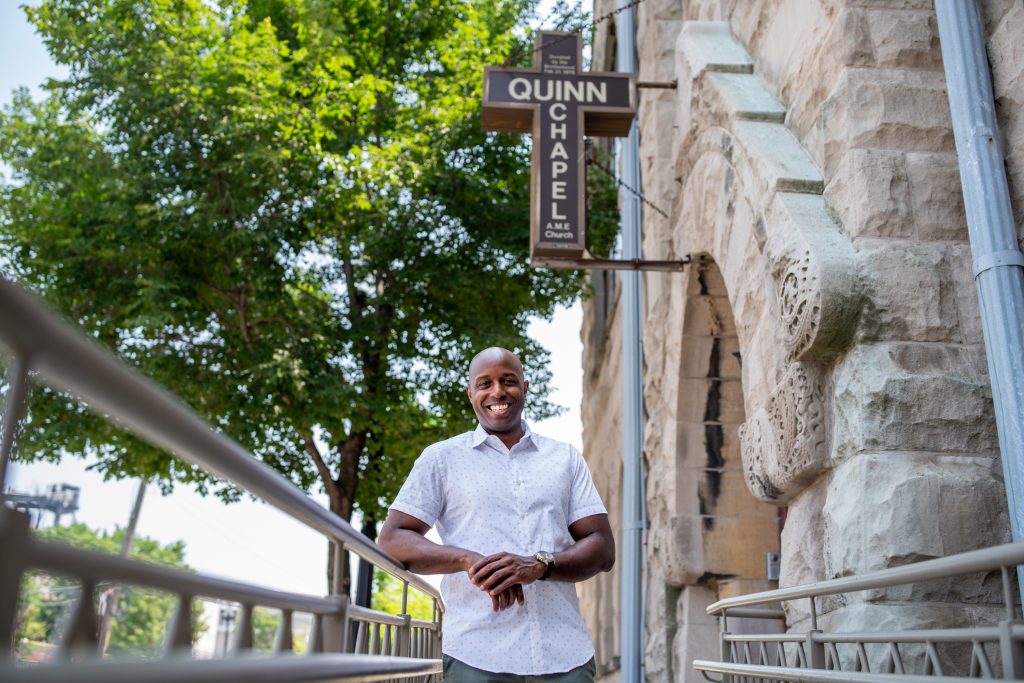
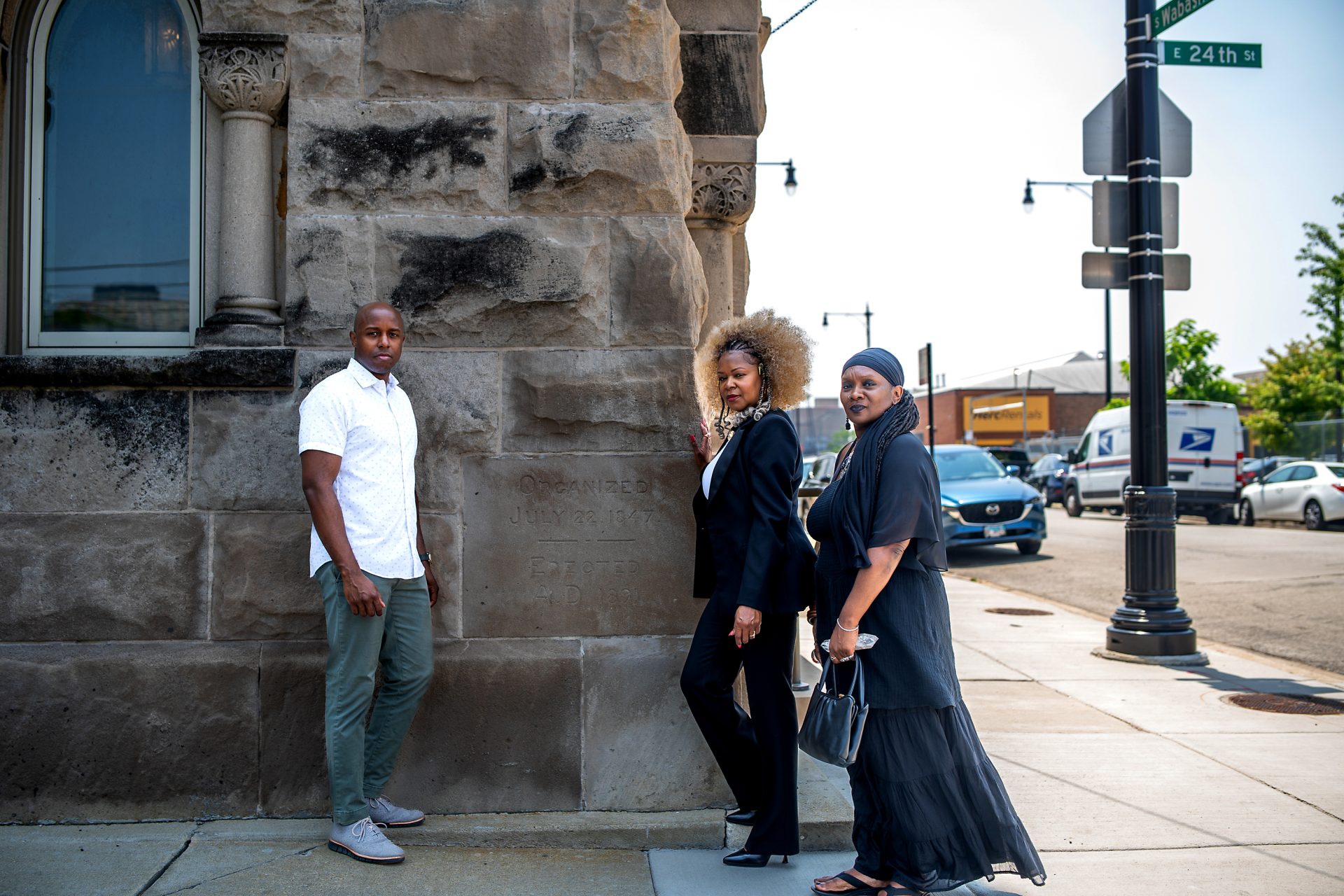
(L to R) Allen Linton II, Vetress Boyce, and Pilar Audain, three of the city's Reparations Taskforce, stand outside the historic Quinn Chapel AME Church, one of the Underground Railroad locations in Chicago, on July 12. Photo by Peyton Reich for The TRiiBE®

More often than not, when people hear the word “reparations,” the unfulfilled promise of “40 acres and a mule” for the formerly enslaved comes to mind. Many descendants of enslaved people in the U.S. want the government to hand over free land and money as the first step to repair harm. 

For newly-named members of Chicago’s Reparations Task Force, reparations is a much more expansive definition that also includes a formal apology, investments in neighborhood schools, beautification projects, higher employment rates, affordable housing and access to business and economic development opportunities that have not always been equitably distributed to Black residents in Chicago. 

“There are so many components to reparations, and it’s not just about writing a check. There are a lot of things that can be done that won’t cost the government a dime, [such as] removing laws that racially profile [us]. [This] can really change the trajectory of lives and to lessen the wealth gap between Black and white people,” said Vetress Boyce, a West Side native and the community co-chair for the Reparations Task Force. 

There are 40 members of the new Reparations Task Force; 25 of them were nominated by the current Mayor’s Office and the Chicago Aldermanic Black Caucus, and the other 15 were selected through a public application process that opened back in April. 

The main tangible goal of the Task Force? To develop the city’s first comprehensive reparations study. They have a year to accomplish this.

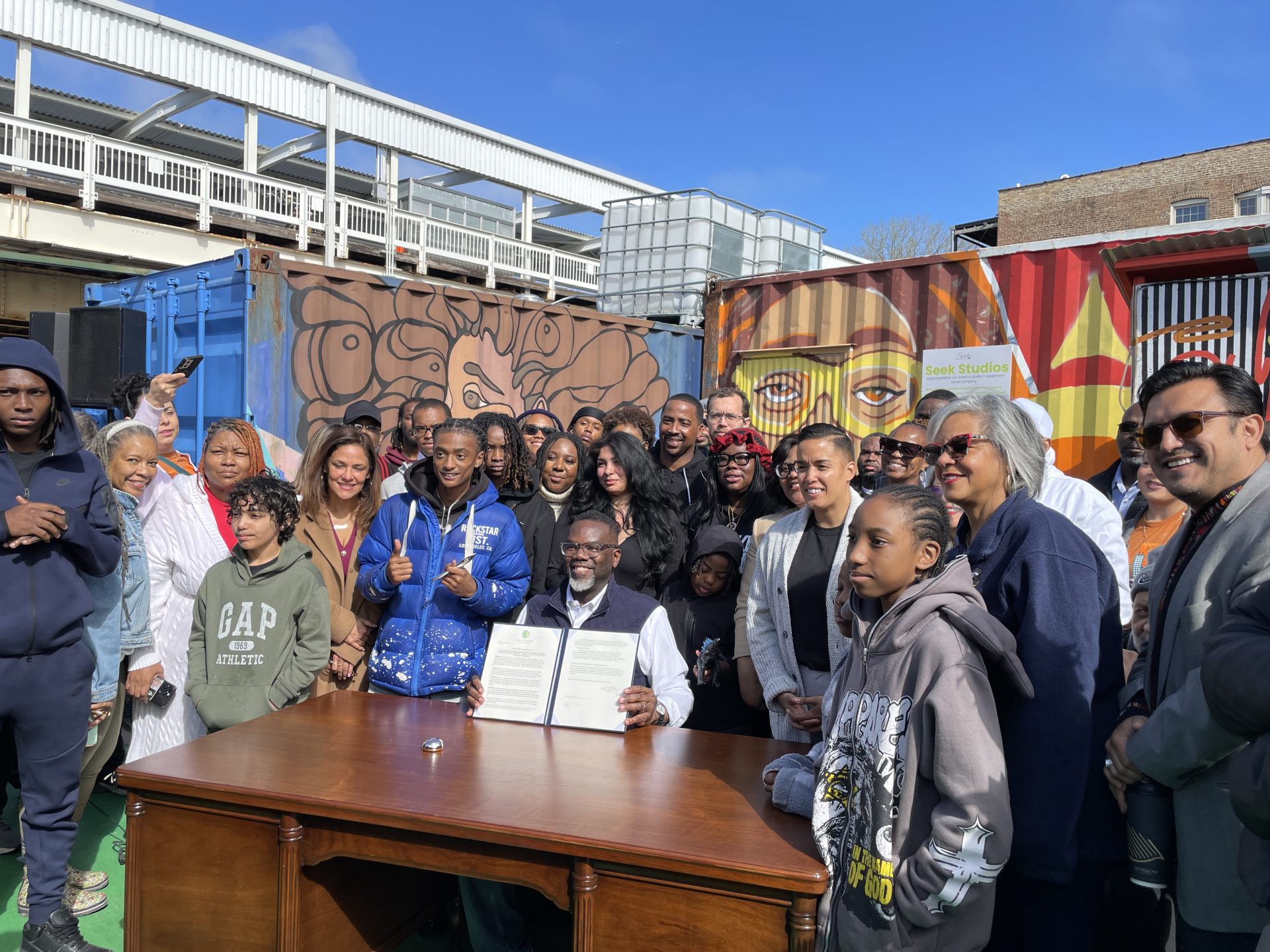
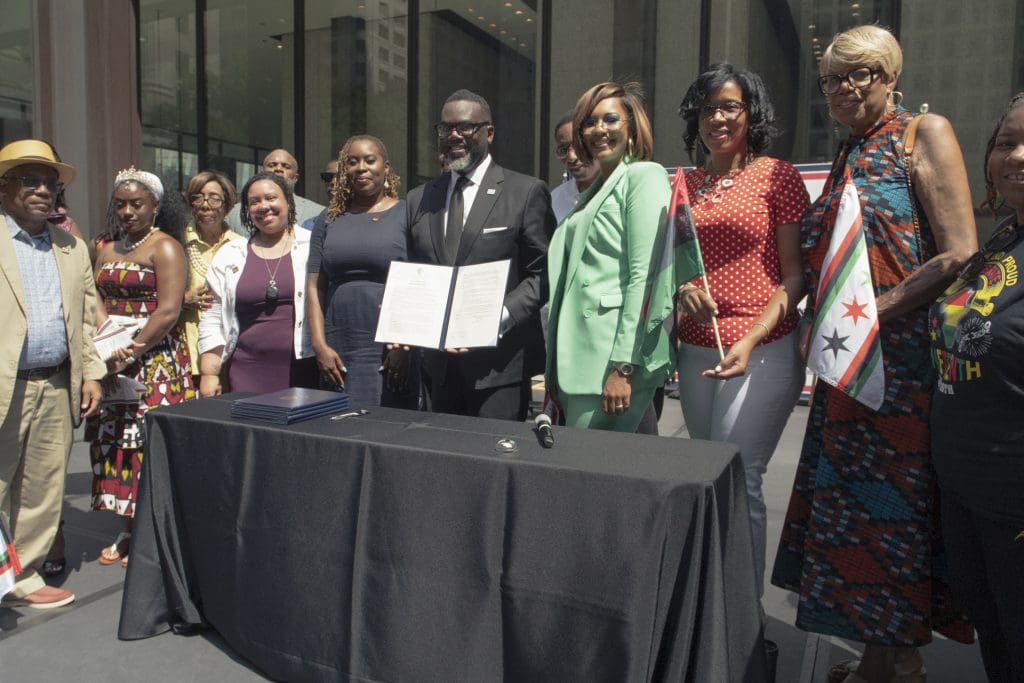
Mayor Brandon Johnson signed an executive order to launch a Reparations Task Force on Juneteenth 2024. Photo by Tyger Ligon for The TRiiBE®

The Task Force — announced on Juneteenth 2025 — will meet for the first time on July 31. Some of its responsibilities include attending 90-minute monthly meetings and community engagement and public hearings, identifying key areas of harm, reviewing policies and practices that have led to structural inequities, and developing recommendations and remedies for reparative action. 

“This Task Force will take us one step closer to achieving reparations and restoration for our ancestors. Chicago is proud to be a city that will always fight for justice and equity for all Chicagoans,” Johnson said in a written statement announcing the Reparations Task Force members. Johnson allocated $500,000 of his 2024 budget to create the Task Force.

Though the Johnson administration is following through on its commitment to support reparations, the movement for reparations precedes it.

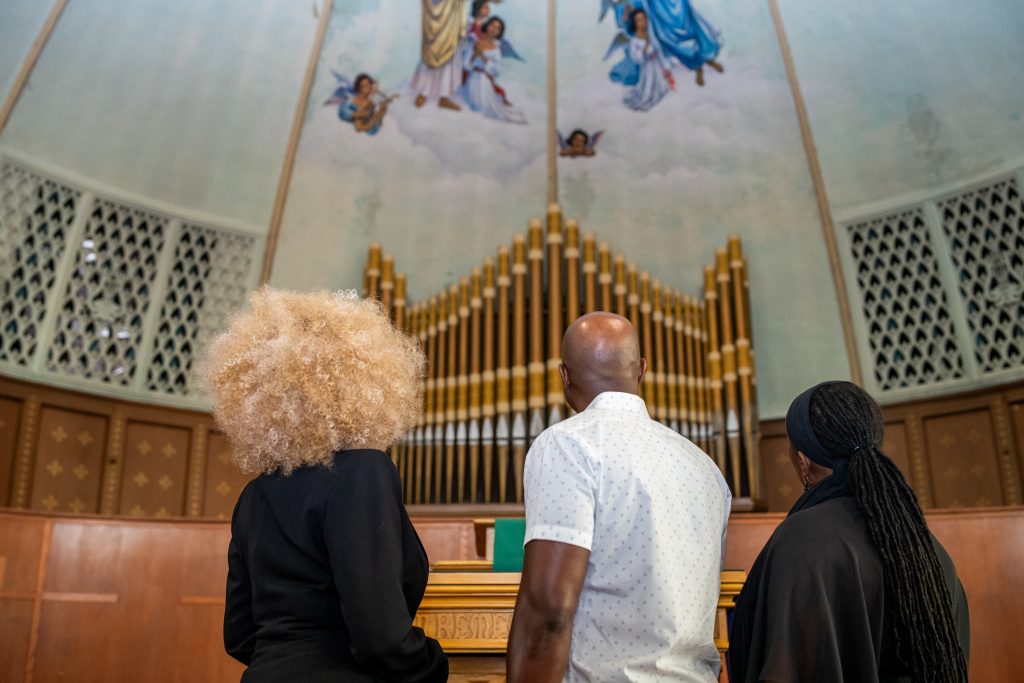
(L to R) Vetress Boyce, Allen Linton II, and Pilar Audain, three of the members of the Reparations Task Force, inside Quinn Chapel AME Church, one of Chicago's Underground Railroad stops, on July 12. Photo by Peyton Reich for The TRiiBE®

In 2019, Boyce and members of the Conrad Worrill Community Reparations Commission (CWCRC) introduced the first reparations resolution to the Chicago City Council, which also called for the formation of a Reparations Commission and $1 million in funding for the body over ten years.

At the time, Mayor Lori Lightfoot revised the resolution, removing funding language from it, and formed a subcommittee, according to Boyce. The resolution was later approved by the City Council in 2020, but the subcommittee only met twice. 

Since 2020, Boyce and other reparations advocates, including Ald. Stephanie Coleman (16th Ward and former 6th Ward alder Roderick Sawyer, pushed for funding a commission and a comprehensive study. 

All 40 members of the Task Force will be paid for the time; Task Force member Pilar Audain said they haven’t received information on payment details yet. Their first meeting is Thursday, but it’s not open to the public, she added.

The TRiiBE caught up with Boyce, Audain, a racial healing practitioner and Truth, Racial Healing & Transformation (TRHT) interim executive director, and Allen Linton II, a DEI director. We discussed their ideas around what reparations look like, what excites them most about leading this work and how they stay motivated in spite of a volatile political landscape that is rolling back inclusivity efforts and attempting to erase Black history.

This interview has been edited and condensed for clarity.

The TRiiBE: How have your lived experiences as a Black person shaped your ideas around reparations?

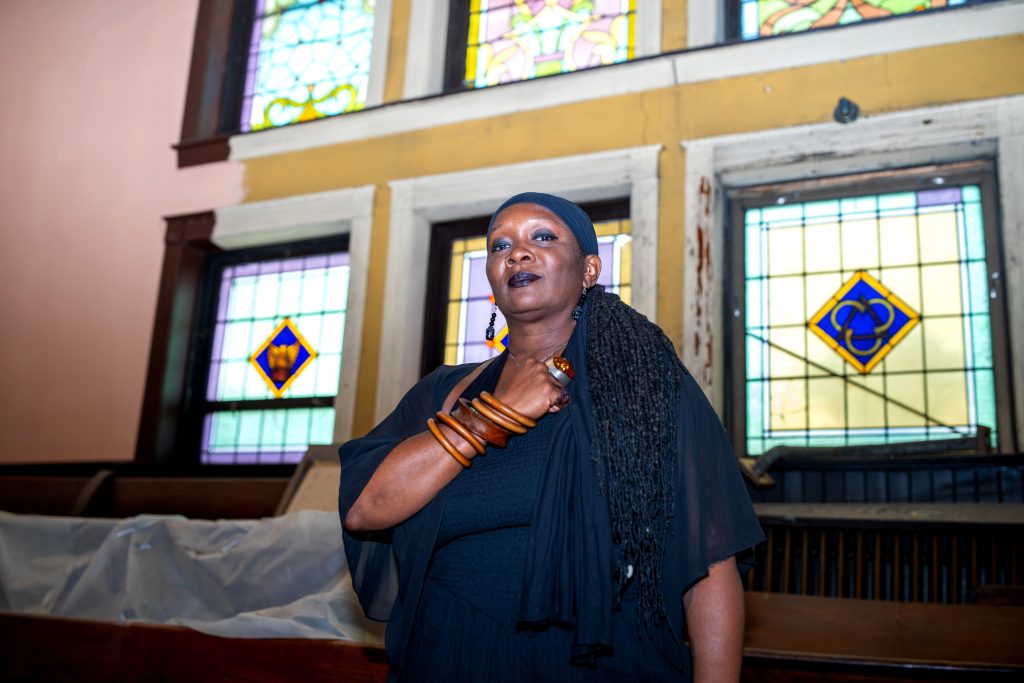
Vetress Boyce: Where we lived growing up in Chicago in West Garfield Park, most of our yards were not filled with grass, it was filled with dirt. So the experiences that I have personally had in my life, and being a Black child raised in Chicago and on the West Side of Chicago, were pretty devastating. Watching the deplorable conditions of communities, the blocks that I lived on, and still seeing those same conditions today is devastating.

I’ve experienced several moments of being racially profiled growing up in the city, watching the devastation and then just seeing the blightedness, and it seemed like to me, and it has been proven, that it was intentional. It was intentional that white America kept their knee on the neck of Black people to keep thriving in the city of Chicago and other parts of the world.
Vetress Boyce is a West Side native and the community co-chair for the Reparations Task Force. Photo by Peyton Reich for The TRiiBE®

Pilar Audain: I would be remiss not to mention that one of my biggest motivations for being involved in [the city’s Reparations Task Force] is also thinking about the history right here in Chicago. I think about my grandfather, who was among the first Blacks to move to 79th and Throop in Auburn Gresham after World War II, and how he watched white flight happen. 

We’re talking about Black laws and the Red Summer [of 1919]. There’s the riots [following the assassination of Dr. Martin Luther King Jr.] of 1968, police brutality and [systemic] abuse that so many are still experiencing to this day in Black and brown communities. Being on this Task Force, to me, is just the tip of the iceberg, being able to talk about what a reparation study or code could look like right here in Chicago, as we truly begin to acknowledge the harms that have been perpetrated against darker-skinned people.

Allen Linton II: I’m 36 and I grew up with the stories of family and family friends about what was allowed — I choose that word [allowed] very deliberately — and what was accepted, about how they grew up and how, in many ways, it’s better for me [today] compared to, say, my parents or folks from older generations. However, in large part, the same types of concerns and fears persist. 

South Side native Allen Linton II is one of forty the Reparations Task Force members and a DEI director. Photo by Peyton Reich for The TRiiBE®

My dad used to be a police officer in the city, and I’m actively nervous about encounters with police. That’s just the reality of being Black in Chicago, and that’s been a reality for my parents, for their parents, and for me and generations after me, unfortunately.

What does being part of the city’s Reparations Task Force mean to you? Why was it important for you to apply to be part of it?

VB: This Task Force has been something that I have been working on collectively with a great, wonderful group of people since 2019. I was part of the first team that actually presented the first Reparations Resolution to the [Chicago City Council]. When the 2023 mayoral [runoff] in Chicago began, we had a meeting with [Brandon Johnson and Paul Vallas] and asked if they would support reparations. And Brandon agreed to support it, and since he’s been elected, he’s been keeping his promise.

PA: I feel that I can stand in the gaps and actively help demonstrate the power of racial and systemic healing when it is rooted in the very things that my own organization, TRHT, stands for: truth-telling and narrative change. I’m excited because any platform where you know our people are coming together like-minded with a common agenda, I feel like our ancestors are smiling.

AL: I was excited to see that it was going to be a process that would allow for Chicagoans to actually be part of the Task Force, that you didn’t have to be like some insider or something.

Some of our most prominent Civil Rights Movement pioneers, like the Rev. Dr. Martin Luther King Jr., were dreaming and building a world that they didn’t live to see or experience.  What do reparations look like for the future generations that come after you? 

PA: It looks like a place where peace and opportunity and resources are not predetermined by my children’s zip code or the color of their skin. It looks like Black communities that are receiving additional resources, favor and opportunity are a blessing. It looks like communities being able to speak openly about the harms that have been committed against the darker people of the world, and it being received with an open heart and an open mind, with empathy and with compassion. It looks like programs that are designed to help Black children succeed in a world that has kept its foot on their necks and judged them and taken away resources that could help them excel, like other children from other communities.

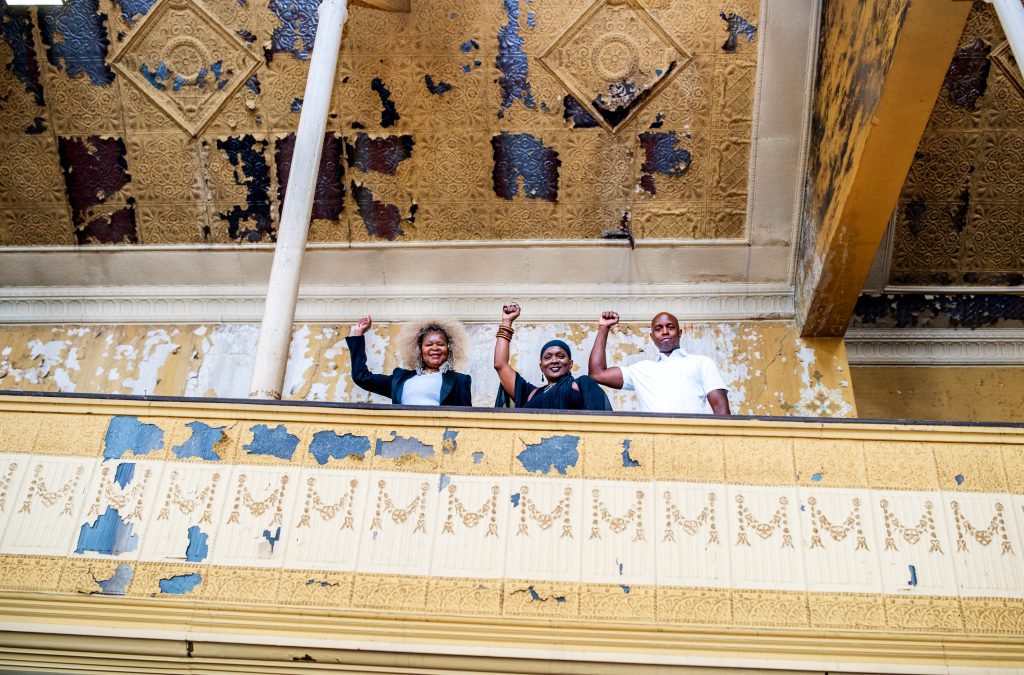
(L to R) Vetress Boyce, Pilar Audain, and Allen Linton, are members of the Reparations Task Force, inside Quinn Chapel AME, one of Chicago's Underground Railroad stops, raise theirs fist in solidarity with the Black Power movement on July 12. Photo by Peyton Reich for The TRiiBE®

VB: Reparations, for me, looks like what Chicagoans have been asking for from all prior administrations: a safer community, a community that is invested in investing in people, getting access to programs related to the Tax Increment Financing (TIF) funds. When [TIF] was first created, it was designed for blighted communities, not more affluent neighborhoods. 

Creating the possibility and the opportunity for generational wealth is, in my opinion, one of the key elements to minimizing disparities and minimizing the tragedies and crimes that exist in Black communities in the city of Chicago today.

AL: A formal and comprehensive acknowledgement of the harm that has been done to Black Chicagoans. I think it’s incumbent on the city, as the governing body that implicitly or explicitly endorsed and supported this behavior, to own that this is part of its history.

[And] apologize for it. You can’t simply say it happened before my administration. You got to own it and then apologize for it. The third part, which is the hardest, is to figure out what can be done to repair. The repair part covers a lot of different areas, but there has to be work to ensure that this doesn’t happen again. We’re going to build structures to prevent this from happening again. 

We’re living in a moment where we’re seeing DEI being rolled back in the federal workforce and within large-scale retailers like Target. Does the current political climate discourage you from doing this work? How do you stay motivated? 

VB: The political developments of the past few years have been pushing reparations to the forefront. It’s actually causing people to have these conversations and we’ve been mobilizing the public. I am grateful to actually see it, because it’s getting people engaged.

PA: We have overcome so much more before, and we will continue to overcome. I believe that with my entire being, with my entire existence. This is yet another test, another word from the ancestors, for us to come together, to stand as one, and to begin to truly explore what healing is, what love is, and what community truly means.

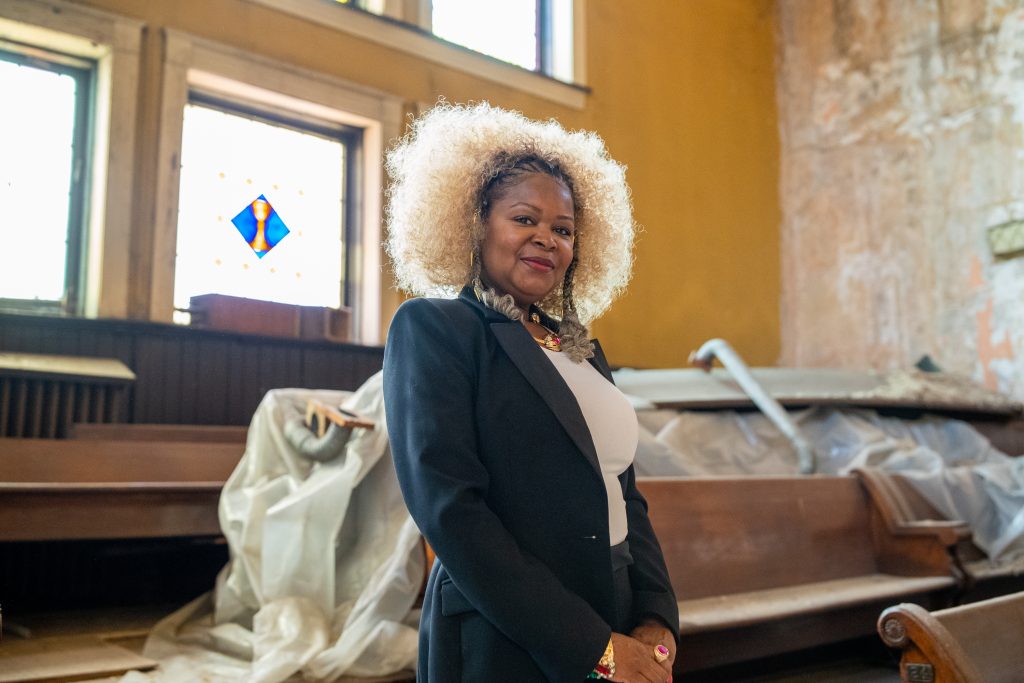
South Side native, Pilar Audain, is one of forty members of the Reparations Task Force, a racial healing practitioner and interim executive director with Truth, Racial Healing & Transformation. Photo by Peyton Reich for The TRiiBE®

AL: I am mindful that the time that we’re in is particularly hostile to thinking about equity work. I don’t like that. I loathe that. 

This is not going to be a pleasant experience to go through and wrestle with all the areas of harm, from policing, housing to education, health and economic development. It’s a matter of whether we have the appetite to sit and the honesty to admit that this is what happened. This is what continues to happen in some cases. Here are some ways to consider doing it differently. I’m glad that we have leaders here who have the will to do this, or at least take the first steps. 

Clarification: An earlier version of this story mistakenly labeled the Task Force as the city’s first.