



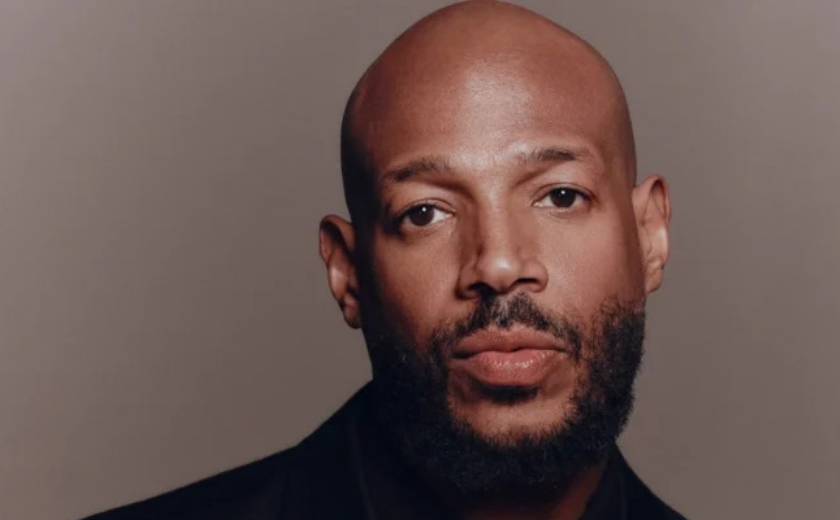


After participating in a year-long guaranteed basic income program run by the West Side-based nonprofit Equity and Transformation (E.A.T.), Austin resident and E.A.T. member Deon Hodrick said the extra money helped him catch up on bills and acted as a stress reliever.
“It helped provide my kids with a nice Christmas and it was really helpful for me mentally to where I didn’t have to scramble as much. When you’re financially depressed you have to always be in survival mode,” Hodrick said.
Through the program, he received $500 monthly payments from March 2023 to February 2024. “It actually gave you time to think of yourself, like, self-wellness and stuff like that. So it impacted me in a lot of ways, not just financially,” he added.
Hodrick was just one of 100 participants in the second round of E.A.T.’s guaranteed basic income program through its Chicago Future Fund initiative. The program, created in 2021, exclusively caters to formerly incarcerated individuals to help fill financial gaps for those who are usually unable to apply for such financial assistance programs due to restrictive guidelines that prevent those with a criminal record from applying.

The initiative also aids the formerly incarcerated population which faces discrimination in many aspects of life such as seeking employment and looking for housing.
Initially providing $500 monthly payments to just 30 formerly incarcerated participants in West Garfield Park during the pilot round in 2021, the private Chicago Future Fund expanded to providing $500 a month to 100 formerly incarcerated Chicagoans. The fund refers to this population as system-impacted individuals.
Those eligible for the 2023-2024 program had to reside in the communities of Austin, Englewood, or West Garfield Park. The neighborhoods were chosen because they have a large population of Black residents, along with high poverty rates, high police presence and a historical lack of community investment.
Earlier this month, the Chicago Future Fund released an evaluation report on the impact of guaranteed monthly income on system-impacted people. Findings include increased housing stability, motivation for seeking employment and reduced debt.
“Contrary to common myths, the participants in this program did not misuse funds or avoid work. Instead, they saved money, paid off debts, improved their financial and mental well-being, and demonstrated a commitment to seeking employment,” the report states. “[Participants] reported decreased housing instability, modest wage improvements, and aspirations to be community leaders and providers for their families.”
Along with the monthly financial support, participants engaged in programs at E.A.T., such as the Black wellness program which focuses on “financial literacy, physical well-being and mental health,” said Rachel Pyon, research director at E.A.T.
Hodrick explained that being a part of community-focused programming helped him establish belonging.
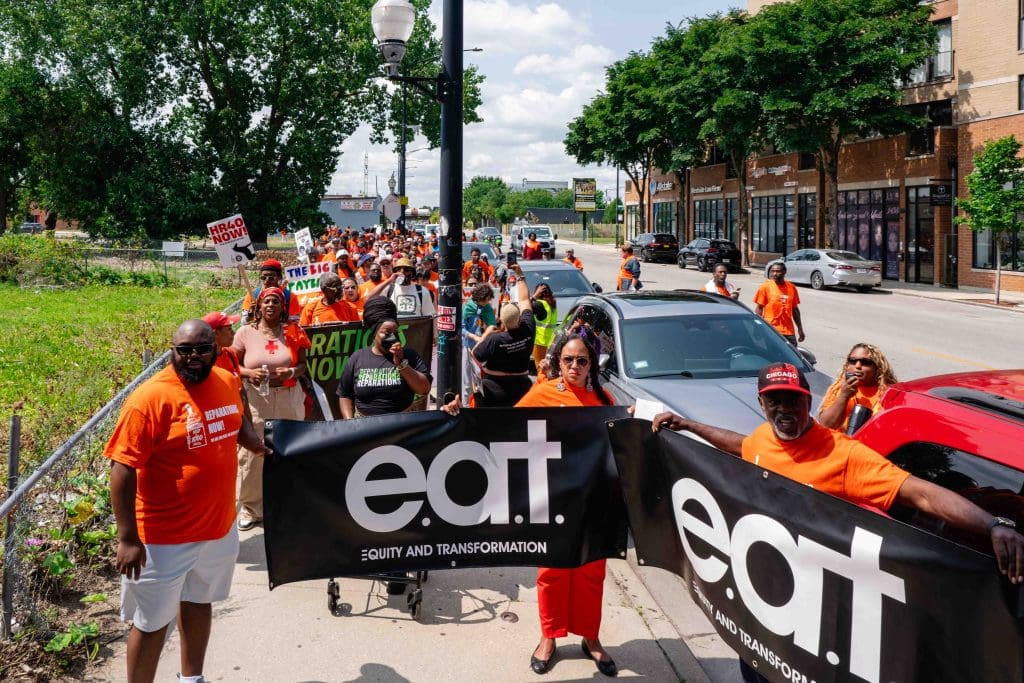
“I learned so much through the program experience on both ends because now I was being active with the community, like going to City Hall, and [during] the Democratic National Convention, we had a march. It was a good experience,” he said.
Also noted in the report were the decreased chances of recidivism, meaning those who participated in the guaranteed basic income program were less likely to be arrested or convicted of a crime again.
“Illinois spends more than $1.4 billion a year on prisons, yet nearly half of those released from state prisons return within three years, at an estimated cost of more than $150,000 for each individual,” according to the report. “If the state can allocate $1.4 billion to incarcerate its residents, it raises the question of why similar investments are not made in efforts to reduce recidivism and support sustained freedom.”
Criticisms of programs that aid system-impacted people are just a peek at how society views formerly incarcerated individuals, according to the report. Even with the $500 monthly payments, participants faced discrimination in other facets of their lives and the income program should not be seen as a “catchall” solution to the barriers they face, the report continued.
In states like Illinois, where there is an implemented Employee Background Fairness Act, employers are prevented from discriminating against a person’s criminal history, but such discrimination persists.
In a personal account included in the report, E.A.T. Executive Director Richard Wallace said he’s witnessed incarcerated people be denied jobs they were overqualified for because of their criminal background.
Because these hurdles still exist, the Chicago Future Fund has three policy recommendations for federal and local governments to remedy the issue:
- Remove the ability for all employers to discriminate based on background checks at the federal level across public and private sectors.
- Remove barriers for the formerly incarcerated to all social programs
- Immediately implement guaranteed basic income for targeted groups, specifically formerly incarcerated people
Addressing opposition to guaranteed income programs for system-impacted individuals, Pyon said that people ignore the permanent punishments that formerly incarcerated people experience after serving their time.
“It’s kind of similar to people saying ‘pull yourself up by the bootstraps, and become stronger and figure it out yourself.’ But in reality, I think those critiques really don’t have a full understanding of what the everyday challenges look like for people with records, people who can’t support secure employment and can’t have stable housing,” she said.
Pyon highlighted that the Chicago Future Fund is privately funded, using no public dollars to run its monthly income program. Funders, donors and supporters of the program include the Fund for Guaranteed Income, BlackRoots Alliance and the Woods Fund Chicago. Partnerships were critical to getting the word out about the program itself, Pyon said.

“It took a long time in the beginning to build it up, just because it was a lot of fundraising, obviously, involved,” Pyon said. “But then once we got the ball rolling, it got a lot of traction and guaranteed income pilots started popping up all over the country, so by the time that the second round was ready to go, we were fortunate to just be in a position where we could expand the program.”
The city of Chicago launched its first guaranteed basic income program in 2022 under former Mayor Lori Lightfoot. The program selected 5,000 Chicagoans to receive $500 a month in what was touted as the largest guaranteed income program in the country at the time.
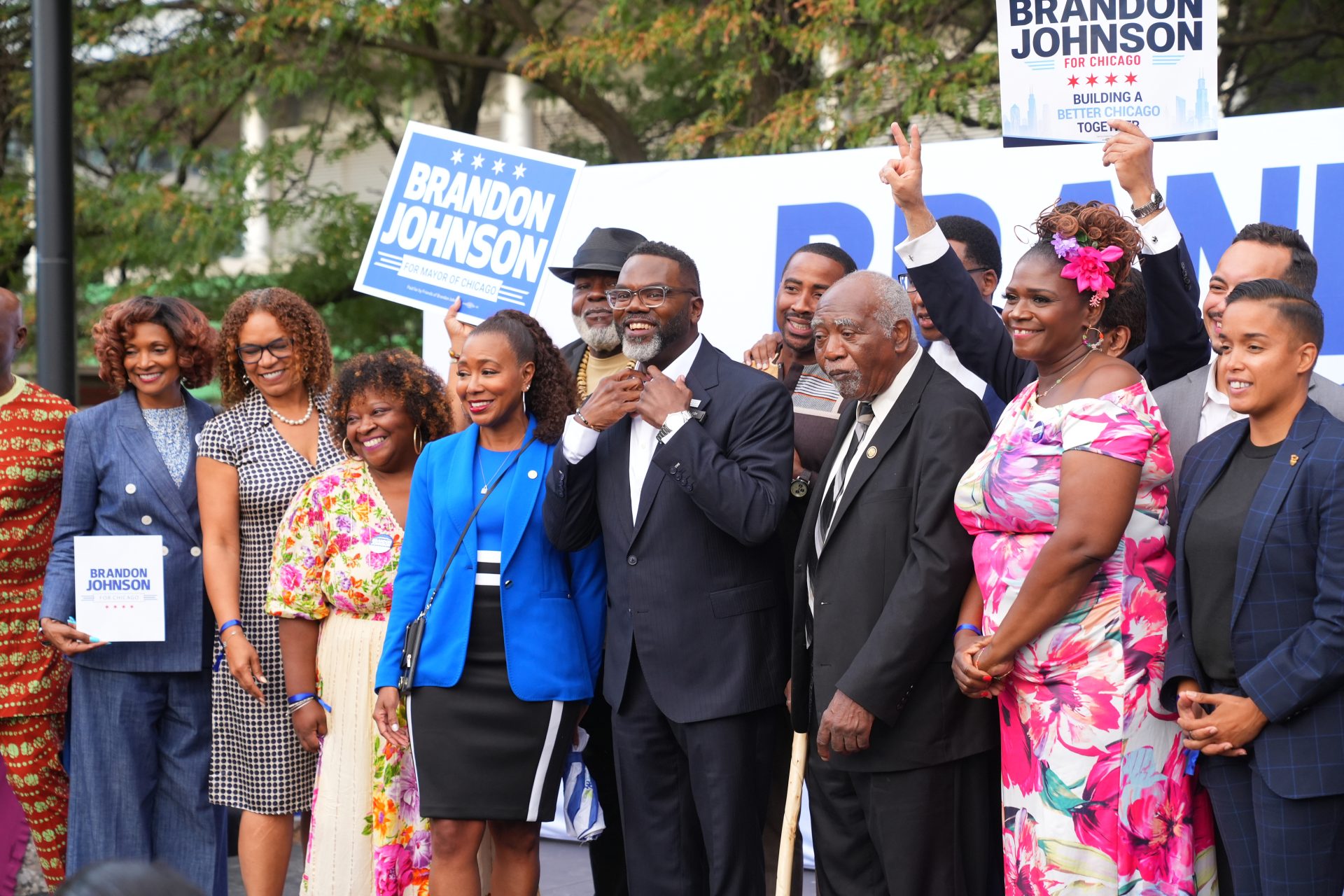
Mayor Brandon Johnson nixed funding for another iteration of the program to help fill the city’s nearly billion-dollar gap for the 2025 budget. Activists with E.A.T. and other organizations protested the decision in December.
Pyon said that, as of now, there are no plans for E.A.T. to launch another round of its basic income program as they are focused on creating a publicly funded program throughout the entire state.
“The Chicago Future was really born as a model for reparations,” Pyon said. “We wanted to create the data to showcase that if you give formerly incarcerated people $500 a month good things will happen.”