

Be Informed, Be Prepared: Subscribe to The TRiiBE’s free weekly newsletter for trustworthy DNC and election news and analysis.
In many ways, Chicago encapsulates the culture of the United States of America more than any other city: its breathable geographics, the itis-inducing food staples, our bodies of water, and a Red Line splitting it in half geographically with redlining fragmenting it even more. More than anything, the “City That Works” got its name because of the people that have had to work hard to be accepted here. Where so many other cultures have been chosen, multiracial movement and union work has led to workplace rights, representation in local politics, and proper treatment regardless of identity.
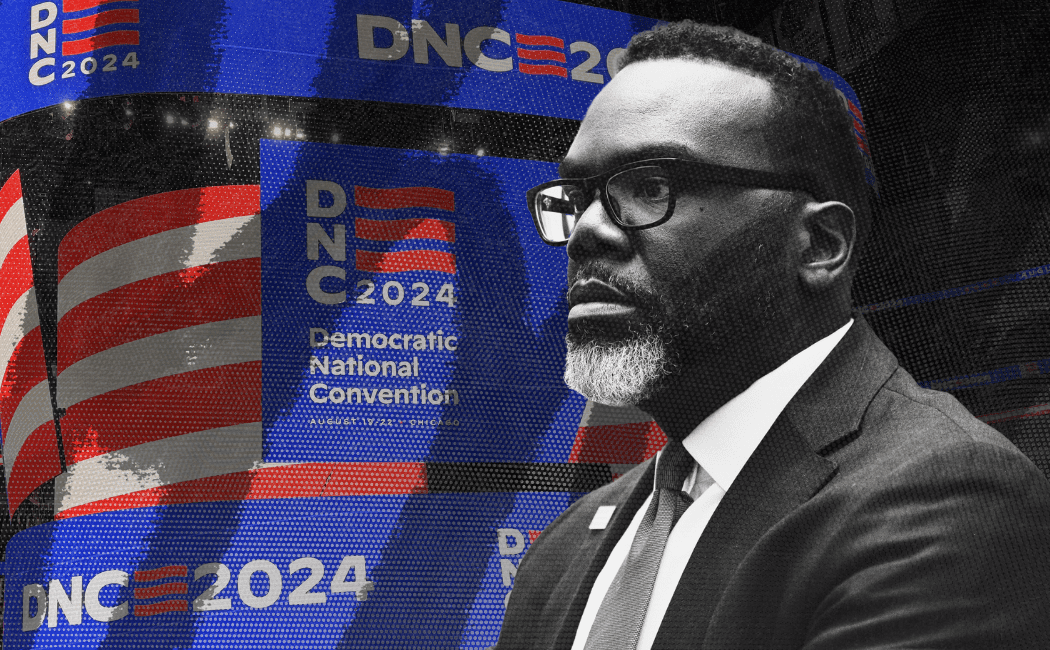
In so many other ways, it is more fitting that the most pivotal moment in our country’s growth will happen here. From Aug. 19-22, hundreds of millions of people worldwide will be keeping their eyes on Chicago as the 2024 Democratic National Convention puts our democratic process to the test. Where the different factions of the political left have struggled to work under a united front, the threat of fascism grows from an organized right that is not afraid to support a more radical presidential candidate.
As we host the DNC, commentary nationwide seeks to connect Democratic policy to Chicago’s most prevalent issues: extreme disparities in opportunity, intercommunity violence, and lacking public infrastructure. The blame for these things is reminiscent of the dog whistles to Black plight that came with the multiracial coalition built by the late Chicago mayor Harold Washington in the 1980’s and then-Illinois senator Barack Obama’s rise to political power in Chicago.
Last year, Chicagoans elected our second progressive mayor in a row: Brandon Johnson, a public school teacher that rose to become a public servant with unlikely sources of power behind him, including a revived teacher’s union, a sprawling collection of labor unions, and a network of grassroots organizers from every corner of the city. Of course, though we are now working to repair the damage done by previous mayoral administrations in Chicago, much of the current blame for this city’s modern shortcomings is attached to the progressive attitude we bring to our work: addressing root causes of harm, redirecting resources with a hyperlocal lens, and using grace and conversation with our institutional power to negotiate mutually beneficial policy and impact.
While many on the left push for the perfect candidate, I would ask that they come to our city and take in examples of new forms of governance.
As an entry-level employee of the Mayor’s Office, I have been often directed to promote policies, engage with constituents, and go through with daily actions in ways that I do not agree with, but I have seen how difficult it is to produce a shift in culture when we are bullish in our approach to public work. When I have been able to listen to the how’s and why’s of the work of junior and senior staff in our office, I have been able to learn more about the expansive possibilities that come with nuance and common ground.
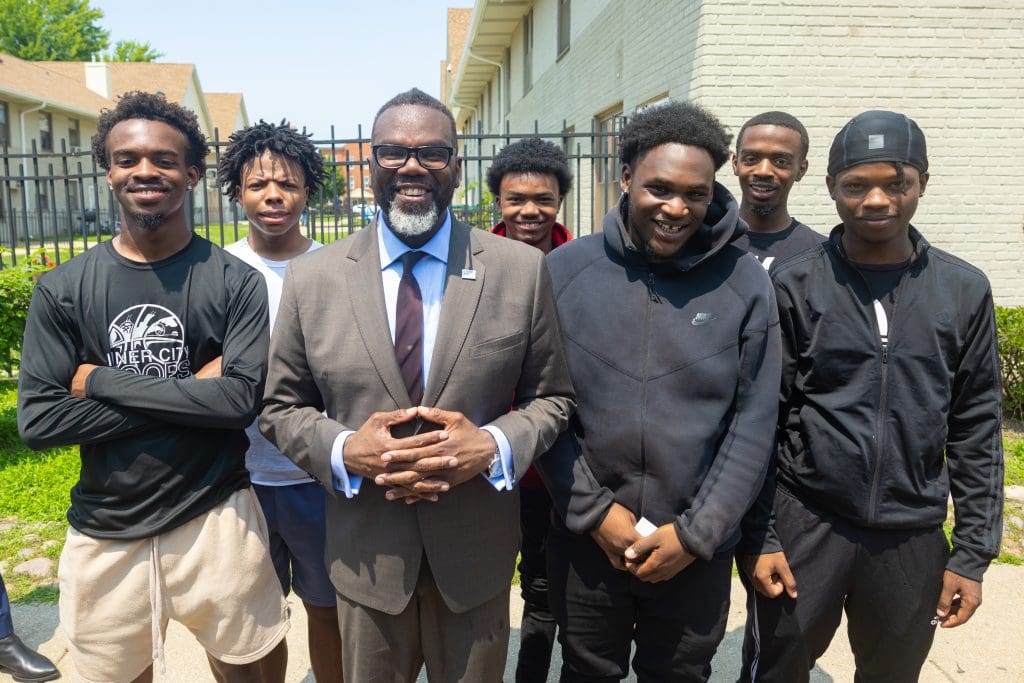
From changes in ordinances to new negotiations of working groups, more has come than I initially imagined; where I was sure we would only get one public mental health service location, we have gotten three; where I would hope that the Mayor would take a posed photo with one group of students, he would meet and speak with four, even if it made him late to a meeting.
Chicago has always — and likely will always — have to elect itself in the vote for national prominence. In a system hinged upon slight majorities, we have set the standard for what it means to fight for the good of every single person. In a city of nearly three million people, there are exponentially more needs that have to be met for all of us to heal; and while daunting, it feels much more attainable than it felt when I moved here from Philadelphia in 2018.
The Johnson Administration is looking to exemplify the possibilities that come with a progressive executive office that has empathy for a large, diverse, American city. Many of those other cities will send a large contingency of Democratic officials for the Convention ahead of our country’s most important presidential election season — one that will decide the future of an empire that is coming to grips with our place in the world.
Rather than debate over Democratic candidates, I hope we can allow ourselves to perceive what can happen when we consolidate our power to reach every person in our communities, our cities, our country, and our world.